
Energy-Efficient Heating Installation Tips for Homeowners: Best Practices and Cost-Effective Solutions

Energy-efficient heating installation means choosing, sizing, and installing a home heating system so it delivers required comfort using the least energy while maintaining safety and durability. This article explains why efficiency metrics like AFUE, HSPF, and COP matter, outlines practical system comparisons, and shows how proper sizing, ductwork, insulation, and controls combine to lower bills and improve comfort. Many homeowners face high winter energy costs, inconsistent room temperatures, and confusion over rebates and financing; this guide offers step-by-step advice to reduce those pain points and make upgrades cost-effective. You will learn which systems typically save the most energy in Pacific Northwest climates, how professionals perform load calculations, and which installation and commissioning steps preserve rated efficiency. The article also covers post-installation optimization—smart thermostats, zoning, and maintenance—plus local rebate and financing navigation tailored to Kennewick, Pasco, Richland, WA, and Pendleton, OR. Throughout, the focus is practical, measurable actions homeowners can take now to cut energy use and improve comfort.
What Are the Most Energy-Efficient Heating Systems for Homes?

Energy-efficient heating systems convert more fuel or electricity into usable heat per unit of input, measured by metrics such as AFUE for combustion systems and HSPF/COP for heat pumps. Choosing the right system depends on climate, fuel availability, and home envelope; in mild-to-moderate winters, air-source and ground-source heat pumps typically deliver the highest seasonal efficiency, while high-efficiency condensing boilers and high-AFUE furnaces can be competitive where natural gas is abundant. This section compares common system types, highlights typical efficiency ranges, and explains trade-offs so homeowners can match system characteristics to local housing types and heating loads. The comparison below provides a quick reference to evaluate performance and cost considerations.
| System Type | Efficiency Metric / Fuel Type | Typical Cost Range (Installed) |
|---|---|---|
| Air-source heat pump | HSPF 8–12, COP varies; electric | $4,000–$10,000 |
| Ground-source (geothermal) heat pump | COP 3–5, electric | $15,000–$30,000 |
| High-efficiency condensing boiler | AFUE 90–98%, gas or oil | $5,000–$12,000 |
| High-AFUE furnace | AFUE 90–98%, gas | $3,500–$8,000 |
| Radiant floor electric or hydronic | Varies; efficient for zoning | $4,000–$15,000 |
This table highlights that heat pumps excel in seasonal efficiency, while condensing boilers and high-AFUE furnaces remain viable based on fuel choice and existing infrastructure. Understanding these system attributes prepares homeowners for the next step: determining which system offers real savings for their specific home and climate.
Which Heating Systems Offer the Best Energy Savings?
Heat pumps—especially modern cold-climate air-source and geothermal types—frequently provide the greatest energy savings by moving heat rather than generating it, yielding higher COP and HSPF compared with combustion-only systems. Their dual heating and cooling capability also improves year-round efficiency and can reduce total HVAC footprint in many homes, particularly where electricity prices and winter temperatures support heat pump performance. Condensing boilers and high-AFUE furnaces deliver strong performance when paired with well-sealed distribution systems and when natural gas or appropriate fuel is cost-effective. Evaluating lifecycle energy use and regional fuel rates clarifies which system is most economical for a given household, and that evaluation naturally leads into accurate sizing considerations.
How Do Energy-Efficient Heating Systems Improve Home Comfort and Reduce Costs?
Efficient systems improve comfort by delivering steadier temperatures, fewer short cycles, and more accurate control when paired with proper controls and zoning, which reduces energy waste and raises perceived comfort. Reduced cycling lowers wear on components and keeps equipment running at optimal efficiency, translating into tangible bill reductions—typical case studies show system upgrades with complementary envelope improvements can cut heating energy use by 20–40% depending on baseline conditions. Rebates and tax incentives can lower upfront costs, improving payback periods for higher-efficiency options and making them more accessible for many homeowners. These savings and comfort improvements set the stage for addressing how to size systems correctly to achieve the advertised efficiency in real-world homes.
How Do You Properly Size a Heating System for Maximum Energy Efficiency?
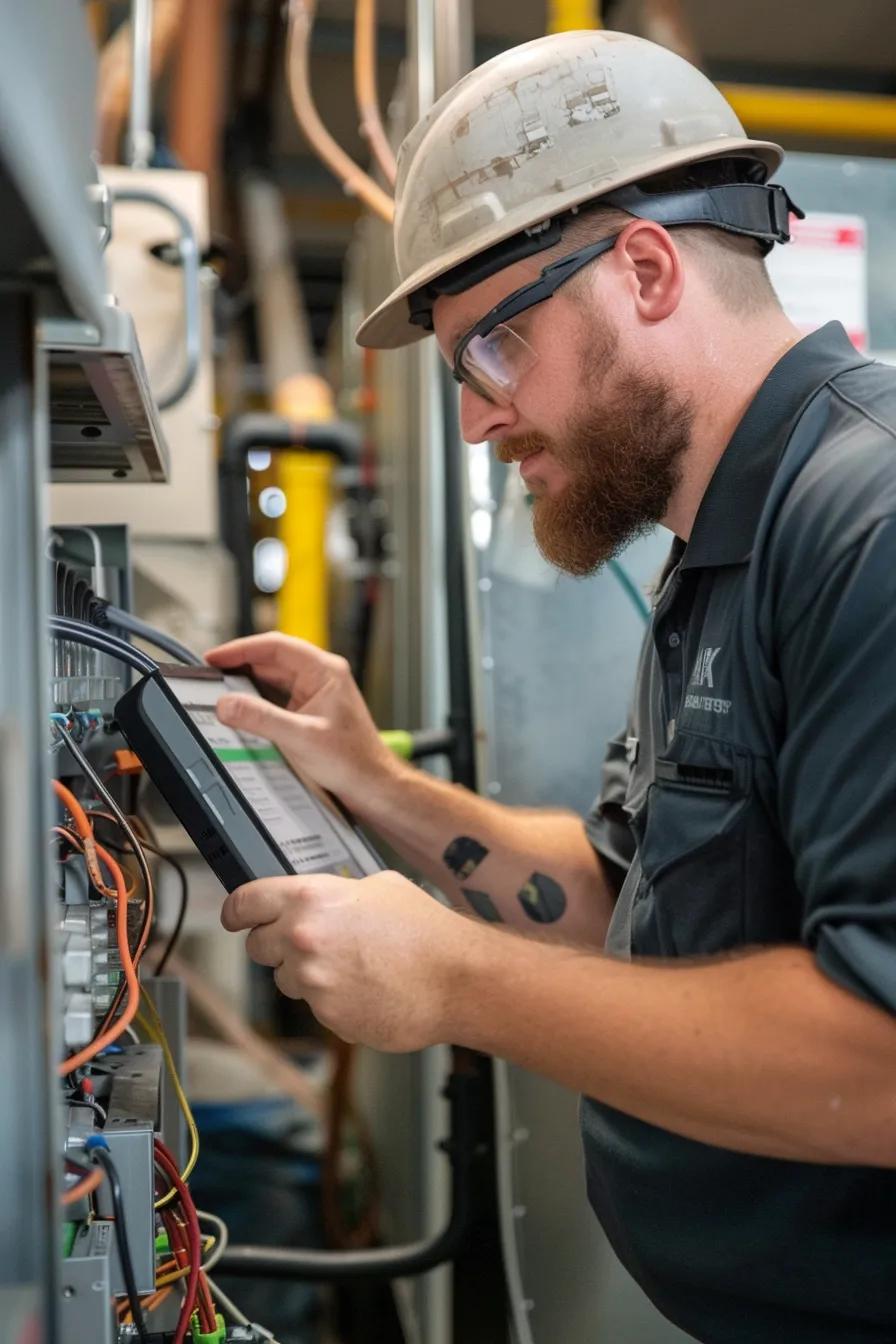
Proper sizing means selecting equipment capacity based on a detailed load calculation rather than simple rules-of-thumb, ensuring the system meets peak heating demand without excessive oversizing. Manual J load calculations integrate square footage, insulation levels, window characteristics, orientation, air leakage, and local climate data to produce an accurate heat-loss estimate; using these inputs prevents short cycling and inefficient run patterns that degrade efficiency. Oversized systems waste energy through frequent starts and stops and poor dehumidification control, while undersized units run continuously and may fail to meet comfort needs, increasing wear. Following a professional sizing workflow ensures equipment operates within its optimal performance envelope and informs choices about distribution, controls, and backup systems.
Understanding the detailed methodologies behind load calculations is crucial for accurate system sizing.
HVAC Load Calculation Methods: Cooling and Heating
This chapter provides detailed coverage of both cooling and heating load calculations. After a brief introduction in Sect.6.1, the cooling and heating load calculation procedures are compared in Sect.6.2. Section6.3provides extensive coverage of cooling load calculations by examining all possible sources of heat gain including heat gain due to occupants, lights, and appliances. This section has several sub-sections illustrating calculations of sensible and latent cooling loads with detailed step-by-step calculations of different types of loads due to heat conduction, radiation, infiltration, and ventilation. The design outdoor and indoor conditions are also discussed in Sect.6.3. Section6.3illustrates the use of data from ASHRAE tables including cooling load temperature difference (CLTD), cooling load factor (CLF), solar heat gain coefficient (SHGC), solar cooling load (SCL), shading coefficient (SC), and solar heat gain factor (SHGF). The differences between cooling load for the space and the cooling load on the cooling coil (cooling device) are illustrated in Sect.6.3. Section6.4focusses on calculation of heating loads. This section provides detailed step-by-step procedures for calculating heating loads due to heat loss through surface, and heat losses due to infiltration, and ventilation.
Cooling and heating load calculations, 2024
| Sizing Factor | How It’s Measured | Suggested Approach / Example |
|---|---|---|
| Square footage | Floor plans or tape measure | Use conditioned area only; include ceiling heights |
| Insulation levels | R-value checks in attic/walls | Inspect attic insulation depth and wall types |
| Window area & type | Measure glazing, note U-values if known | Count single/double pane; add solar gain factors |
| Air leakage | Blower door test or estimate | Schedule a blower door for best accuracy |
| Local climate | Degree-days or zone data | Use regional heating degree-day values for design |
Accurate inputs produce load estimates that directly inform equipment selection; understanding this process prepares homeowners to evaluate installer proposals and verify that quoted equipment truly fits home needs.
What Factors Affect HVAC Sizing and Load Calculations?
Sensible load calculations consider the building envelope (insulation, windows, doors), internal gains (appliances, occupants), ventilation rates, and local climate severity; each factor adjusts the required capacity. Orientation and solar gains can reduce heating load on sun-exposed facades, while high air leakage significantly increases needed capacity and running costs. Duct losses, especially in unconditioned spaces, warrant inclusion because distribution inefficiency can mask true system needs and lead to oversizing. Homeowners can prepare by documenting insulation levels, window counts, recent upgrades, and typical family routines to ensure the professional calculation reflects reality.
Why Is Proper Sizing Essential for Energy Savings and System Longevity?
Correctly sized systems run longer, more steadily, and closer to their rated efficiency, reducing wear and the likelihood of premature component failure while lowering operating costs. Short cycling from oversized equipment increases compressor and burner stress, lowers average efficiency, and can create comfort problems like uneven humidity. Undersized systems, by contrast, operate continuously at high load, leading to accelerated wear and potential inability to maintain set temperatures during extreme weather. Ensuring proper size with verified Manual J results therefore reduces maintenance needs, preserves system warranties in many cases, and maximizes the lifetime energy savings homeowners expect.
What Are the Best Installation Practices to Ensure Energy Efficiency?
Energy-efficient installation means following a documented, quality-controlled process from pre-install assessment through commissioning and homeowner education so rated efficiencies translate to delivered performance. Key stages include a thorough site survey, verified load calculation, selecting appropriately sized equipment, ensuring proper refrigerant charge or combustion setup, and sealing and insulating distribution components. Commissioning tests—such as static pressure, airflow, and combustion efficiency—confirm systems operate as designed and identify corrective measures before the installer leaves the job. Following this rigorous approach prevents common pitfalls that degrade efficiency and comfort once systems are in service.
Professional installation requires experienced technicians who understand these steps and follow manufacturer and industry best practices, as noted below where professional credentials and workmanship play a critical role in outcomes.
- Pre-install assessment: Complete Manual J load, inspect ductwork, and review control strategy.
- Correct equipment selection: Choose units that match load and distribution constraints.
- Quality installation steps: Ensure correct refrigerant charge, secure combustion venting, and seal all duct joints.
- Commissioning and documentation: Perform performance tests and provide homeowner walkthrough.
Adhering to this sequence reduces callbacks and preserves manufacturer performance claims; the commissioning phase in particular links installation quality to long-term efficiency.
What Are the Step-by-Step Procedures for Energy-Efficient Heating Installation?
An energy-focused installation begins with a site survey and Manual J to set capacity requirements, then advances to equipment selection and placement that minimize distribution losses and facilitate service access. Installation tasks include mounting equipment on stable platforms, connecting supply and return lines with proper materials, charging refrigerant to manufacturer-specified superheat/subcooling values for heat pumps, and verifying combustion safety for gas-fired systems. Duct integration—connecting plenums, sealing joints with mastic or approved tapes, and insulating ducts in unconditioned spaces—occurs before system startup. Final commissioning includes airflow measurements, static pressure checks, thermostat calibration, and a homeowner walkthrough explaining controls and maintenance needs.
These procedural steps depend on skilled technicians; homeowners should seek qualified professionals to ensure each stage is executed correctly and validated through testing.
How Does Ductwork Design and Sealing Impact Heating Efficiency?
Ductwork is the circulatory system of a forced-air heating system; leaks, poor layout, and inadequate insulation can reduce delivered heat by 10–30% or more depending on conditions. Proper design minimizes long runs and sharp turns, balances supply and return locations, and uses appropriately sized ducts to maintain target airflow without excessive static pressure. Sealing with mastic or UL-approved tapes and insulating ducts in unconditioned spaces prevents heat loss and increases system capacity at the registers. Testing and balancing—using duct blaster and airflow measurements—verify distribution performance and ensure each room receives its intended share of conditioned air.
Addressing duct issues during installation or as a retrofit not only improves efficiency but also enhances comfort and reduces uneven temperatures, which is tightly linked to sizing and commissioning described earlier.
How Can Homeowners Maximize Heating Efficiency After Installation?
Post-installation actions preserve and often expand the efficiency gains of a new heating system by focusing on controls, maintenance, and monitoring. Smart thermostats reduce wasted runtime through optimized schedules and learning algorithms, while zoning allows conditioning only where and when it’s needed. Regular maintenance—filter changes, annual tune-ups, and periodic duct inspections—sustains efficiency by keeping components clean and operating at design parameters. Monitoring performance through simple energy tracking or service inspections helps homeowners catch problems early, maintain warranties, and verify that projected savings are realized.
| Action | Estimated Impact on Efficiency | Typical Benefit |
|---|---|---|
| Smart thermostat installation | 5–15% energy savings | Reduces runtime with optimized schedules |
| Regular maintenance/tune-ups | 3–10% energy savings | Maintains manufacturer efficiency |
| Duct sealing and insulation | 5–20% energy savings | Improves delivered heat and reduces losses |
| Zoning controls | 10–25% savings in conditioned area | Tailors heating to occupied spaces |
Prioritizing smart controls and scheduled maintenance often delivers the fastest ROI, and homeowners who combine controls with distribution improvements typically see the most reliable long-term savings.
For homeowners seeking professional assistance, Young’s Heating, Cooling and Electric offers maintenance plans and smart thermostat installation to help preserve system efficiency and simplify long-term savings tracking. Their team includes NATE-certified technicians who perform professional commissioning and routine tune-ups, and they can advise on which control strategies will deliver the best results for a given home. If you want help translating post-install actions into a service plan or scheduling an appointment for thermostat setup and maintenance, requesting a consultation is an appropriate next step.
What Are the Benefits of Smart Thermostats and Zoned Heating Controls?
Smart thermostats optimize schedules, learn occupancy patterns, and often integrate weather and utility signals to minimize unnecessary runtime while maintaining comfort, translating into measurable energy reductions in many households. Zoned heating with dampers or multiple thermostats prevents heating unoccupied areas, reducing total conditioned volume and enabling lower setpoints in seldom-used spaces. Integration with home energy monitoring provides real-time feedback on consumption and can trigger automated adjustments that improve efficiency further. These control strategies work best when combined with proper system sizing and sealed distribution, reinforcing the need for coordinated installation and post-install tuning.
Adopting smart controls naturally brings attention to maintenance practices that keep systems running efficiently, which is the next subsection’s focus.
How Does Regular HVAC Maintenance Sustain Energy Efficiency?
Routine maintenance—filter replacement every 1–3 months, annual professional tune-ups, and periodic duct inspections—keeps components clean, airflow balanced, and combustion or refrigerant systems operating at manufacturer specifications. Professional checks identify refrigerant leaks, combustion inefficiencies, and early signs of wear that reduce efficiency and can lead to costly failures if unaddressed. Maintenance also preserves warranty conditions for many systems and provides an opportunity to adjust controls for seasonal performance. Building a simple maintenance calendar and using professional services for annual inspections ensures the system continues to deliver expected savings and comfort.
Maintaining this rhythm of inspection and adjustment feeds directly into financing and incentive conversations, because many rebates and financing programs expect documented professional work to qualify.
What Local Rebates and Financing Options Are Available for Energy-Efficient Heating?
Local and regional incentives can significantly lower the net cost of energy-efficient heating upgrades through utility rebates, state programs, and federal tax credits; eligibility often depends on equipment type, installation documentation, and contractor participation in incentive programs. Homeowners in Kennewick, Pasco, Richland, WA, and Pendleton, OR should check with their local utilities and state energy offices for current offers and requirements, retain invoices and specification sheets, and plan projects to meet pre-approval conditions where required. Installer assistance in filling out applications and providing compliance documentation frequently accelerates rebate processing and reduces administrative burden. The steps below outline how to approach incentives and financing to make efficient upgrades more affordable.
- Check utility and state programs: Review local energy office guidance for eligible equipment and documentation needs.
- Collect project paperwork: Keep receipts, equipment model numbers, and performance data for claims.
- Use installer assistance: Many installers help with pre-approval and rebate submission to ensure compliance.
Young’s Heating, Cooling and Electric assists homeowners by navigating rebate paperwork and offering financing options to make energy-efficient heating replacements and new-construction heating upgrades more affordable. Their financing plans and rebate navigation support can help reduce upfront cost barriers and simplify the application process; scheduling a consultation with an installer is an effective way to confirm eligibility and receive a project estimate with potential incentive adjustments.
How Can Homeowners Access Government and Utility Rebates in Kennewick, Pasco, and Richland?
To access local rebates, homeowners should begin by identifying their utility provider’s energy efficiency program, reviewing current eligible measures, and confirming whether pre-approval is required before equipment purchase. Documentation typically required includes contractor invoices, equipment model numbers showing efficiency ratings, and proof of installation dates; keeping organized records speeds processing. Many contractors participate directly in utility programs or maintain relationships that help secure higher rebate levels, so asking potential installers about rebate experience is useful. Checking state energy office portals and local utility webpages regularly ensures homeowners capture limited-time offers and evolving program criteria.
Understanding these application steps naturally leads to evaluating financing options that complement rebate timing and project budgets.
What Financing Plans Make Energy-Efficient Heating Affordable?
Financing for HVAC upgrades ranges from short-term credit options to longer-term loans and installer-offered payment plans that bundle equipment and installation costs into a predictable monthly payment. Key considerations include interest rate, loan term, payment structure, and whether the expected energy savings exceed the financing cost; comparing multiple offers helps homeowners choose the most cost-effective path. Installer financing often simplifies approval and combines rebate and loan processing, reducing the administrative steps for homeowners. Obtaining multiple quotes and verifying rebate timing relative to financing disbursement ensures that incentive funds are applied correctly and that payment plans align with rebate receipts.
Choosing an appropriate financing plan makes it possible to realize efficiency improvements immediately while managing cash flow, supporting the practical implementation of insulation, sealing, and control upgrades described next.
How Do Insulation and Air Sealing Enhance Heating System Efficiency?
Insulation and air sealing reduce overall heating demand by strengthening the home’s thermal envelope, limiting heat loss through the attic, walls, floors, and windows, and reducing the workload on heating equipment. By lowering the building heat-loss rate, insulation and sealing can allow for smaller equipment sizing, improved comfort, and substantial energy savings; combined measures often yield larger savings than equipment upgrades alone. Inspection and targeted upgrades—attic insulation, rim-joist sealing, and sealing penetrations—deliver clear, measurable benefits and should be coordinated with system upgrades for maximum effect. The strategies below outline effective insulation choices and sealing techniques for common home assemblies.
- Attic insulation (blown or batt): High impact for reducing top-down heat loss.
- Wall insulation (blown or retrofit): Important in older homes with limited cavity insulation.
- Spray foam for rim joists: Effective air sealing and insulating for perimeters.
- Rigid insulation for basements/crawlspaces: Improves foundation thermal performance.
What Types of Insulation Best Reduce Heat Loss in Homes?
Blown-in cellulose or fiberglass attics provide cost-effective high-R-value coverage for horizontal spaces, while fiberglass batts are suitable where cavities are accessible and properly installed. Spray foam offers both insulation and air sealing for rim joists and irregular spaces, delivering high performance but at a higher upfront cost. Rigid foam is appropriate for basement walls and exterior sheathing to reduce thermal bridging. Selecting the right type depends on the application area, required R-value, and budget considerations; combining attic upgrades with air sealing typically yields the fastest energy returns.
Which Air Sealing Techniques Prevent Energy Waste?
Effective air sealing targets common leakage points such as around windows and doors, recessed lighting, plumbing and wiring penetrations, and attic access panels using caulk, weatherstripping, and spray foam where appropriate. Sealing the rim joist and attic plane reduces convective losses and can dramatically lower space heating demand. Homeowners can perform simple DIY sealing for visible gaps, but blower door testing provides quantitative leakage data and guides professional remediation for persistent issues. Combining air sealing with insulation upgrades maximizes efficiency improvements and reduces the risk of moisture problems when completed correctly.
This final technical step reinforces system performance and complements the installation, sizing, and control strategies earlier in the article—completing a coherent approach to energy-efficient heating for homeowners.