
Spot the Signs: Heating System Repair or Replacement Needed?
When it comes to What Are the Signs That My Heating System Needs Repair or Replacement?, warning signs include banging or rattling noises, spiking energy bills, uneven room temperatures, and frequent on-off cycling. Young’s Heating and Cooling has served Kennewick, Pasco, and Richland homeowners facing these issues. Systems over 15 years old with rising repair costs typically warrant replacement. Newer units with isolated problems usually need only targeted repairs.
Is Your Heating System Telling You Something’s Wrong?
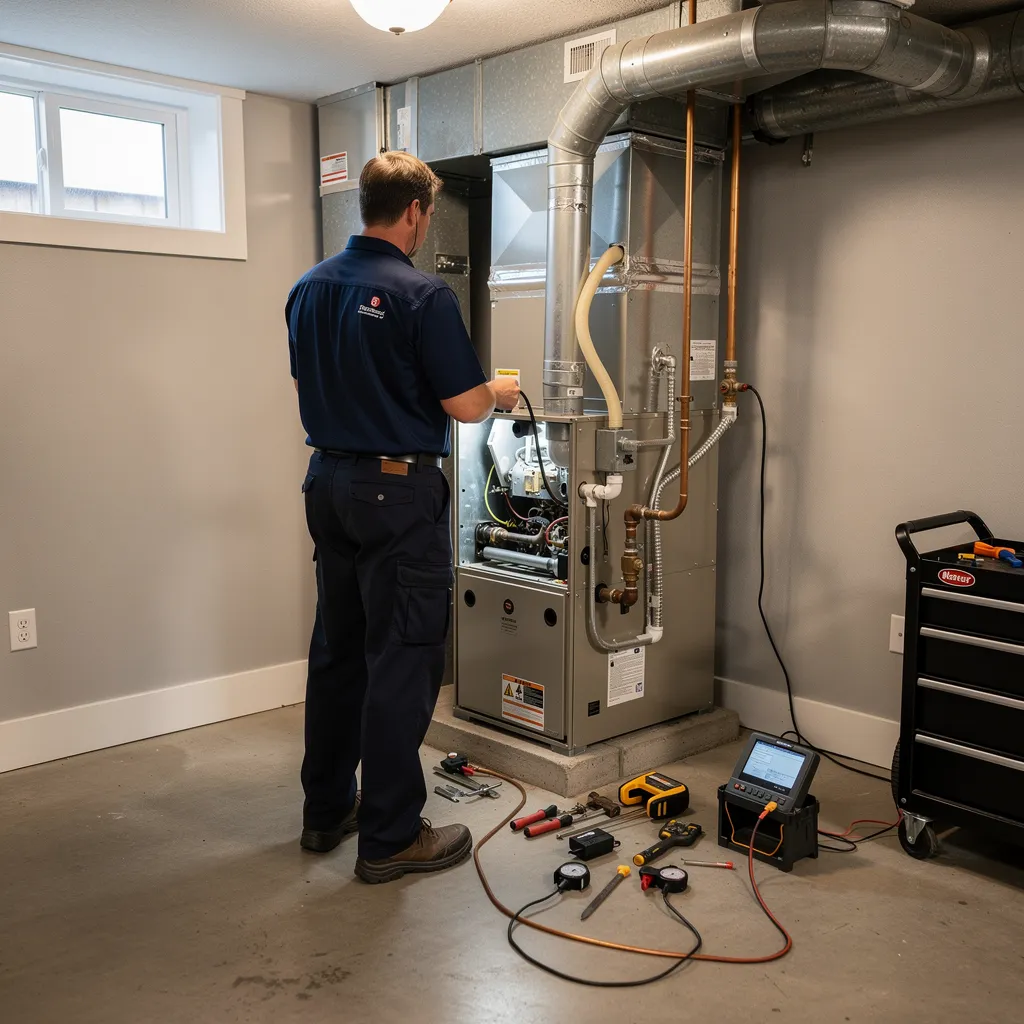
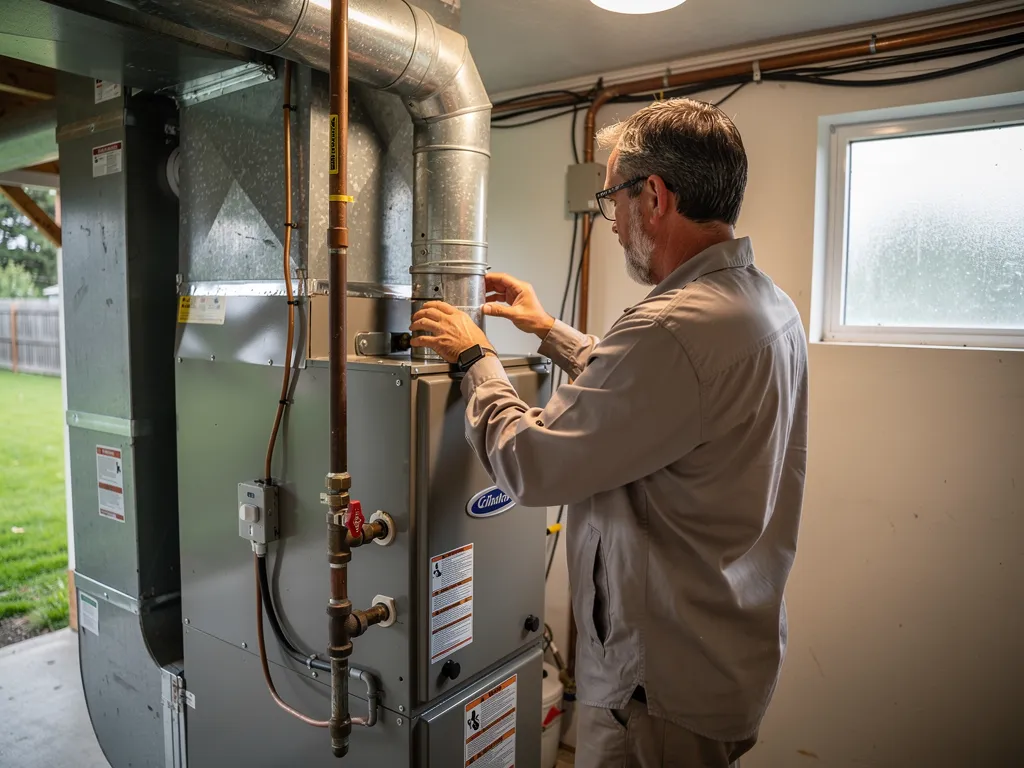
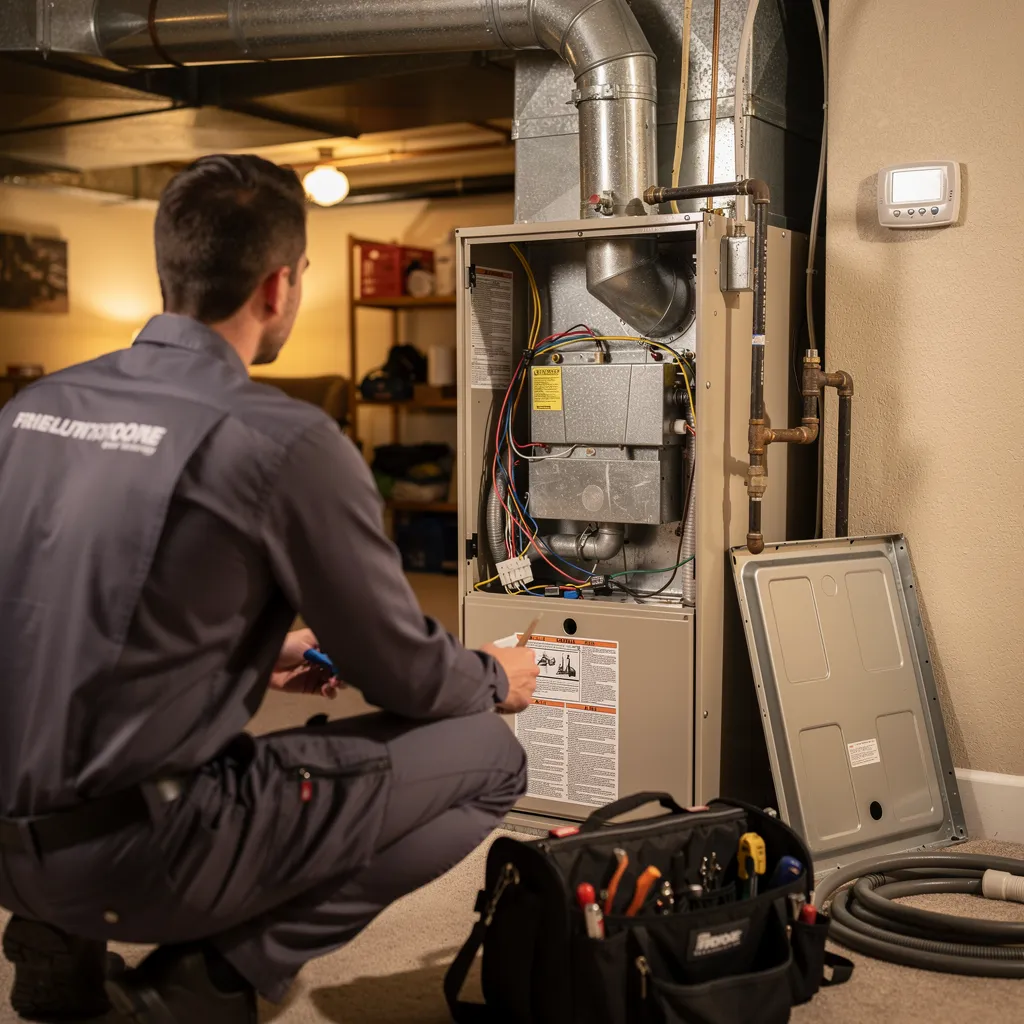
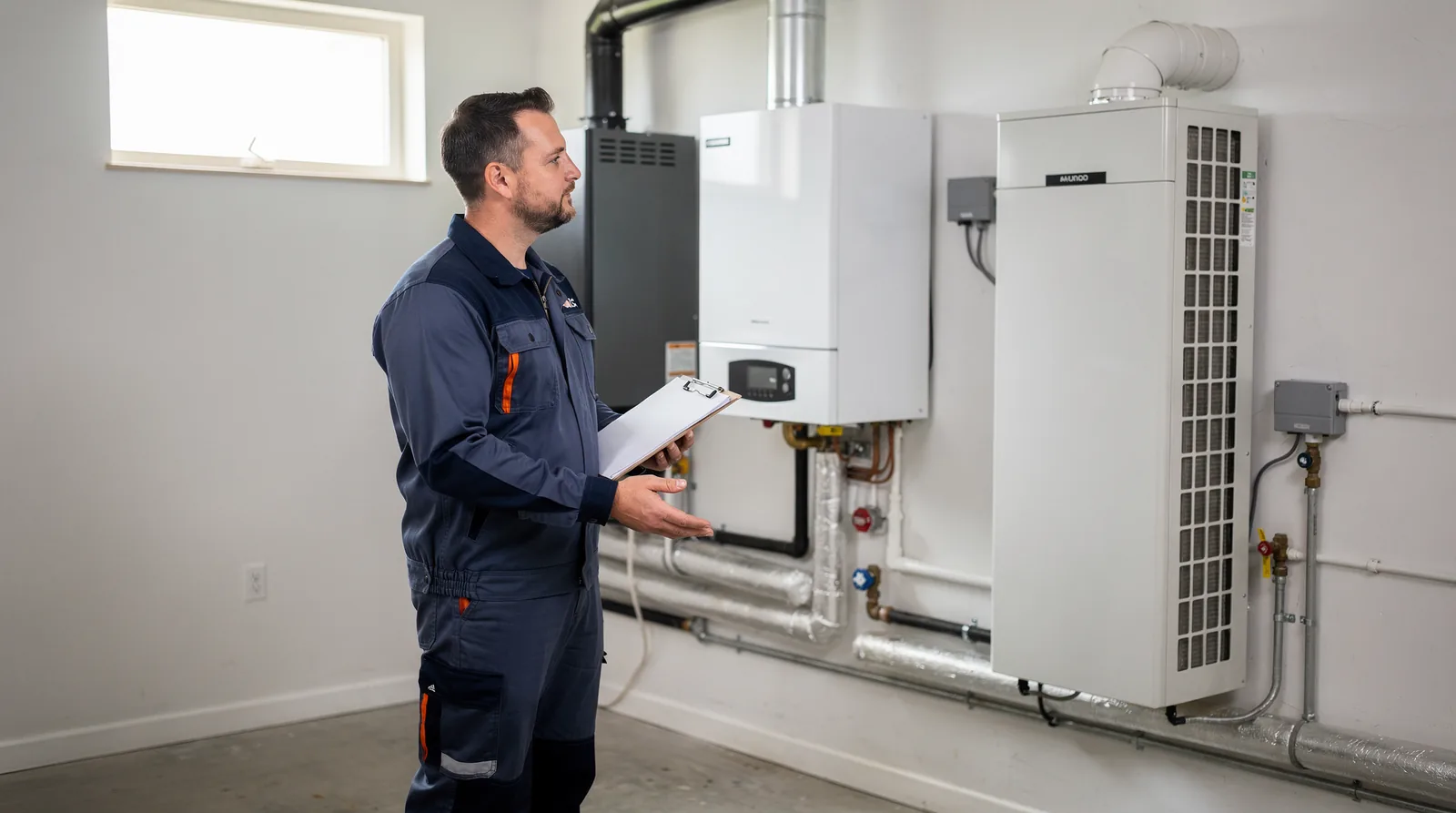
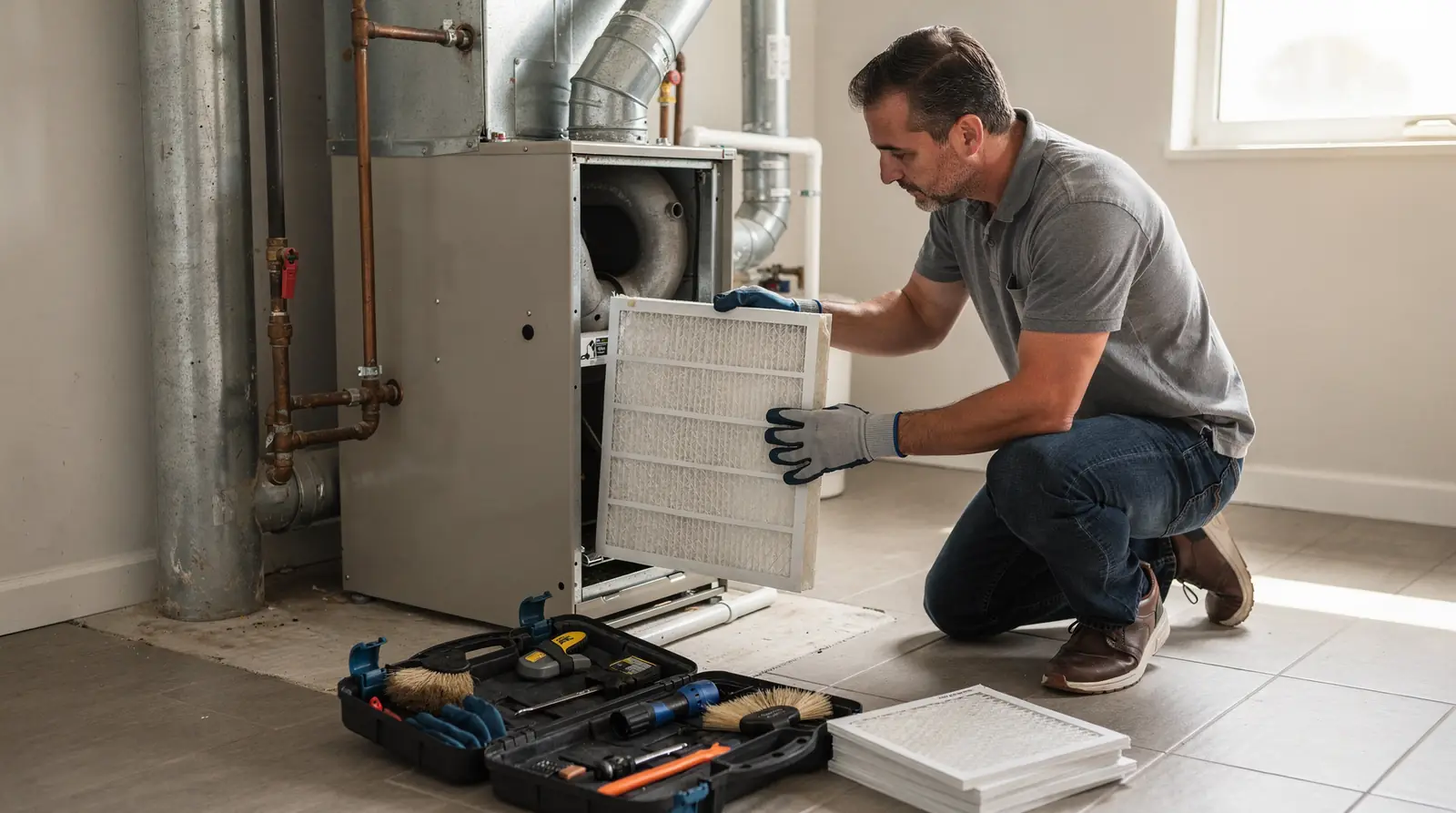
A heating system rarely fails without warning. Strange sounds, uneven warmth, or suddenly high utility bills all signal that something is wrong. Ignoring small issues can quickly lead to costly breakdowns or even safety hazards. Young’s Heating and Cooling has served the Tri-Cities, providing expert heating services that include both repairs and replacements. Technicians arrive NATE-certified and backed by a a notable share satisfaction guarantee, ready to interpret what the system is communicating.
What no sound tells a homeowner?
Many heating problems start silently. A pilot light that burns yellow instead of blue indicates incomplete combustion and potential carbon monoxide risk. Frequent cycling — the system turning on and off more than usual — signals an overworked unit. These invisible issues waste energy and shorten equipment lifespan. Scheduling a professional inspection catches these problems before they turn into emergencies.
How often should homeowners check for warning signs?
A homeowner should assess the heating system at least once per season. Listen for:
Banging, popping, or whistling noises that point to airflow obstruction or mechanical wear
Unusual odors like burning dust or rotten-egg smells from gas leaks
Inconsistent room temperatures that suggest ductwork issues or failing components
Banging, popping, or whistling noises that point to airflow obstruction or mechanical wear
Unusual odors like burning dust or rotten-egg smells from gas leaks
Inconsistent room temperatures that suggest ductwork issues or failing components
A system that runs constantly without reaching the thermostat setting needs immediate attention. Young’s team provides honest assessments and clear options, whether the solution is a targeted repair or a full replacement. Customers gain peace of mind knowing every job carries a a notable share satisfaction guarantee.

What Are the Signs That My Heating System Needs Repair or Replacement?
Several clear warning signs indicate a home heating system requires professional attention. Homeowners who notice strange sounds, climbing energy costs, or a system simply getting older face a decision between repair and full replacement. Ignoring these signals risks a complete breakdown on the coldest winter night.
Strange Noises Coming From the System
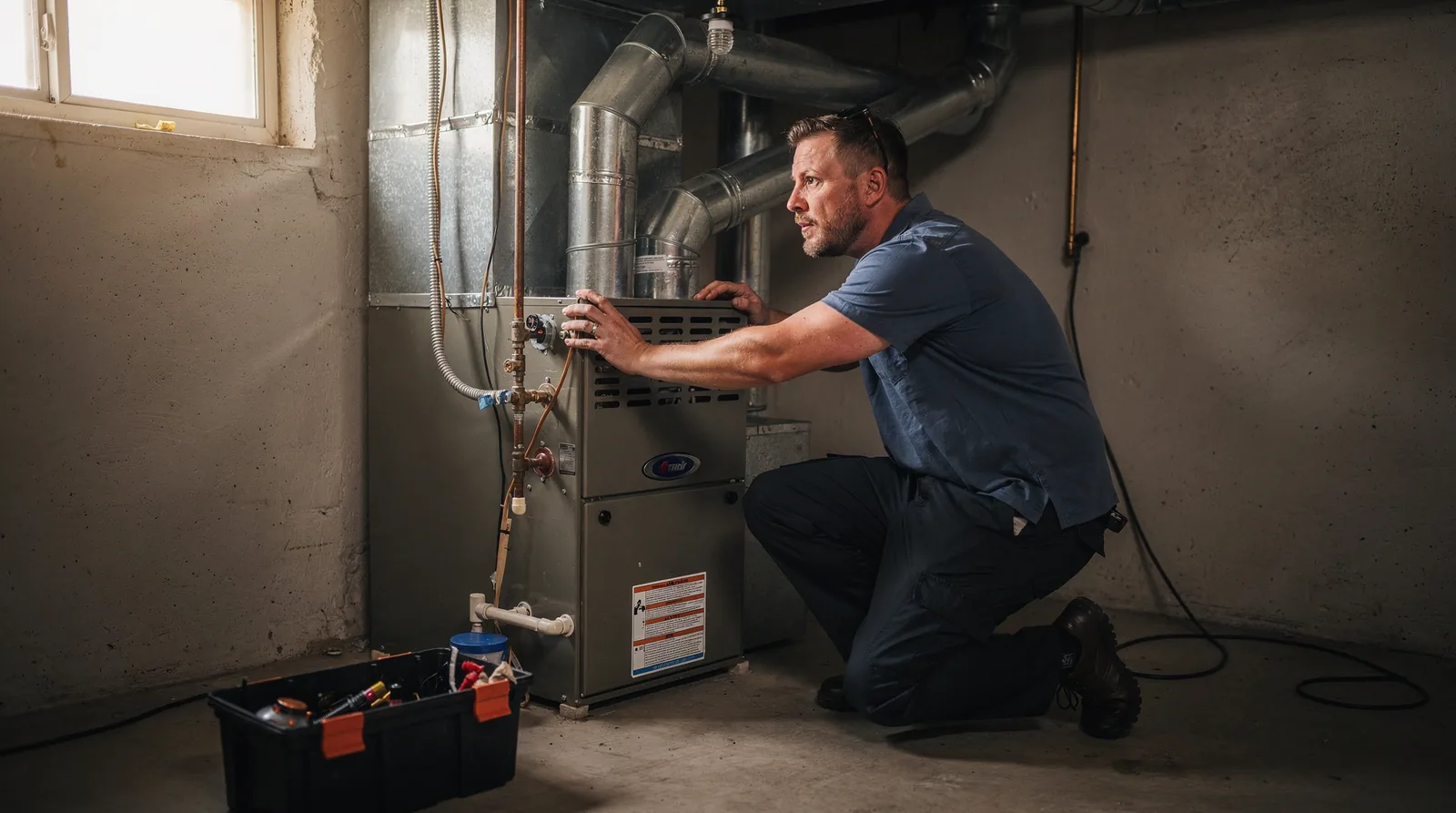
A boiler or furnace should not sound like it is hosting a percussion concert. Certain noises signal that something is wrong inside the heating system. Banging, whistling, gurgling, or rumbling sounds often point to mechanical wear, air trapped in pipes, or failing components. These auditory cues typically require immediate inspection to prevent a minor issue from escalating into an emergency.
Rising Energy Bills
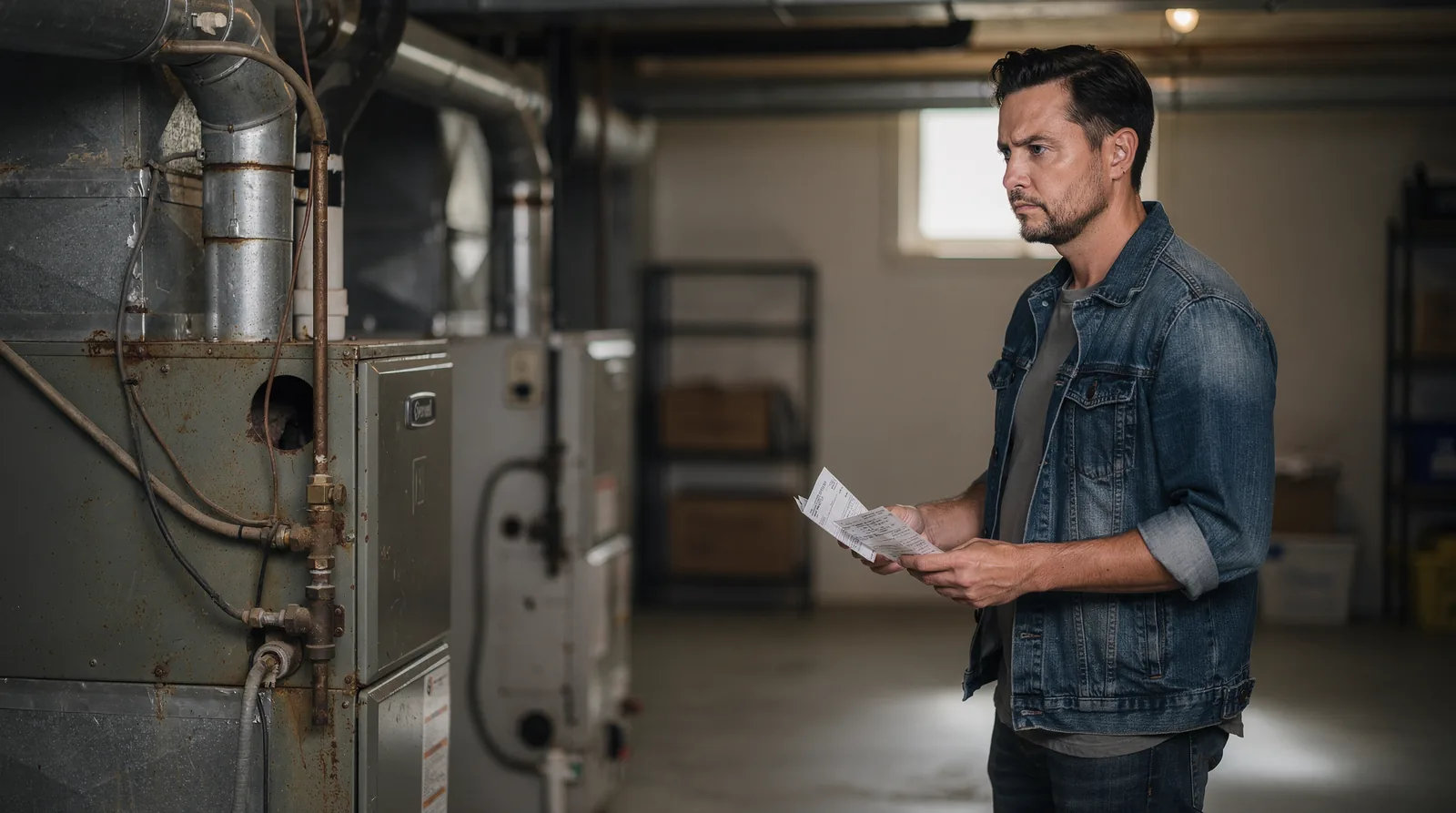
Rising energy bills provide a measurable sign that a heating system is wasting fuel. Older boiler models become far less energy efficient as they age. Even with regular maintenance, a system over a decade old may struggle to keep up with household heating demands. When efficiency naturally declines over time, the cost of operation climbs steadily month after month. Homeowners facing consistently higher utility costs should evaluate whether repair costs or a replacement investment delivers better long-term value.
Age of the Heating System
A heating system that is simply getting old ranks as a primary reason for replacement. Most boilers and furnaces have a finite service life, typically ranging from 15 to 20 years with proper care. As equipment ages, parts become harder to find, efficiency drops, and the likelihood of major repairs increases. An aging system that requires frequent fixes may cost more to maintain than a modern high-efficiency unit.
How does a homeowner tell the difference between a repair and a replacement need?
Young’s Heating and Cooling provides fast heating repairs and Recognize the Signs Your Freezer Needs Repair in Kennewick. The decision comes down to the cost of the repair compared to the system’s age and remaining life. A general rule: if the repair costs more than 50 percent of a new system’s price, or if the unit is over 15 years old, replacement usually makes better financial sense. Professional technicians evaluate each system and offer honest recommendations tailored to the household’s needs and budget.

How Do You Diagnose the Problem Step by Step?
Diagnosing a heating system problem requires a methodical approach that separates minor repairs from major replacements. Homeowners who follow a clear step-by-step process can identify the root cause faster and avoid unnecessary costs. The team at Young’s Heating and Cooling emphasizes honest communication. Dependable scheduling to solve problems quickly, keeping systems running year-round.
Step 1: Check the Thermostat and Power Supply
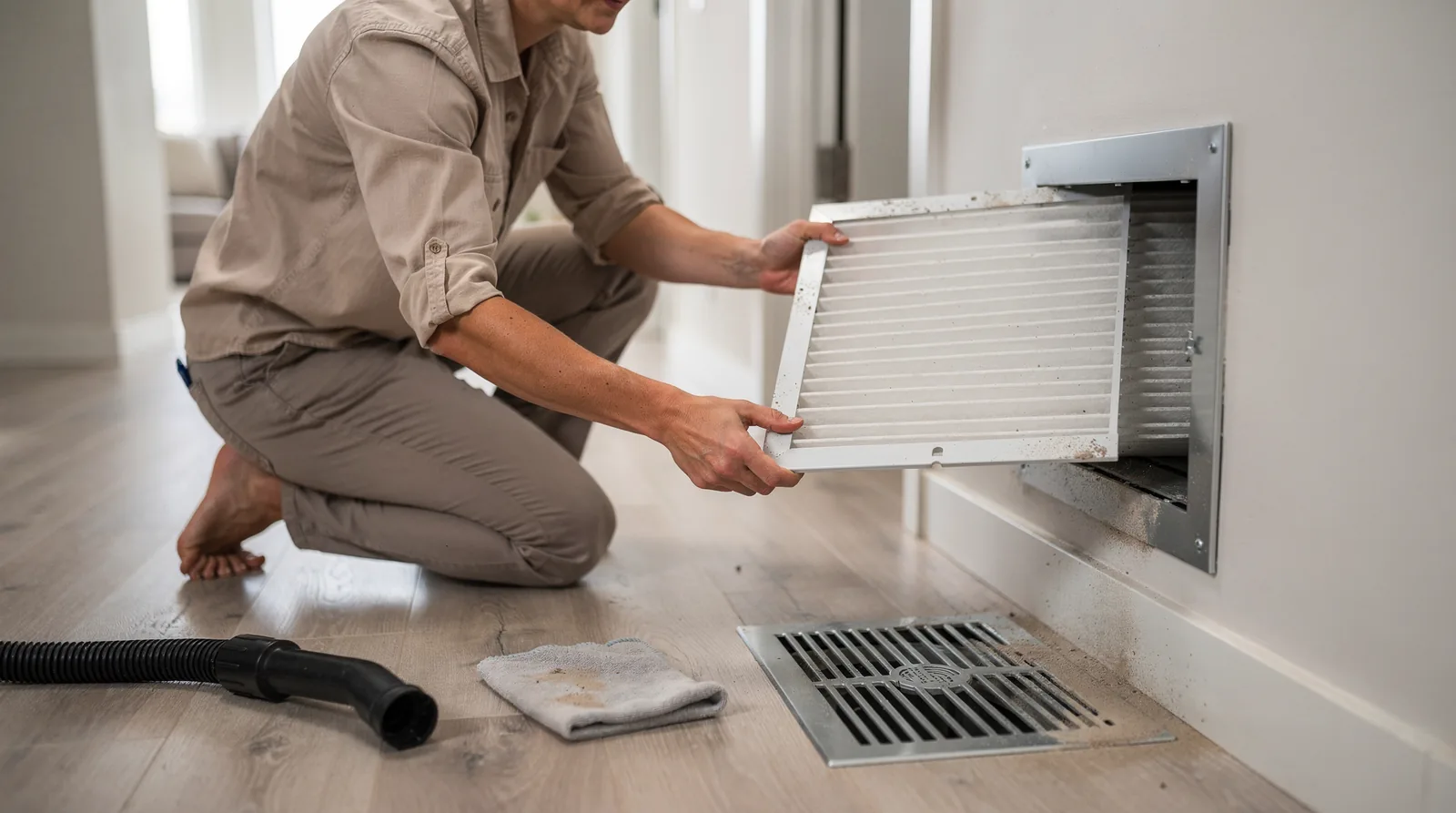
Start with the simplest components first. Verify the thermostat is set to heat mode and the temperature setting is above the current room temperature. Confirm the system has power by checking the circuit breaker and the furnace or boiler disconnect switch. A tripped breaker or dead thermostat battery causes many service calls that require no repair at all.
Step 2: Listen for Unusual Noises and Observe System Behavior
Turn the system on and listen carefully. Banging, screeching, or rumbling sounds indicate mechanical problems that need professional attention. Watch how the system cycles. Short cycling (turning on and off every few minutes) or running continuously without reaching the set temperature signals a deeper issue. Addressing these warning signs early can save homeowners hundreds before a complete failure occurs.
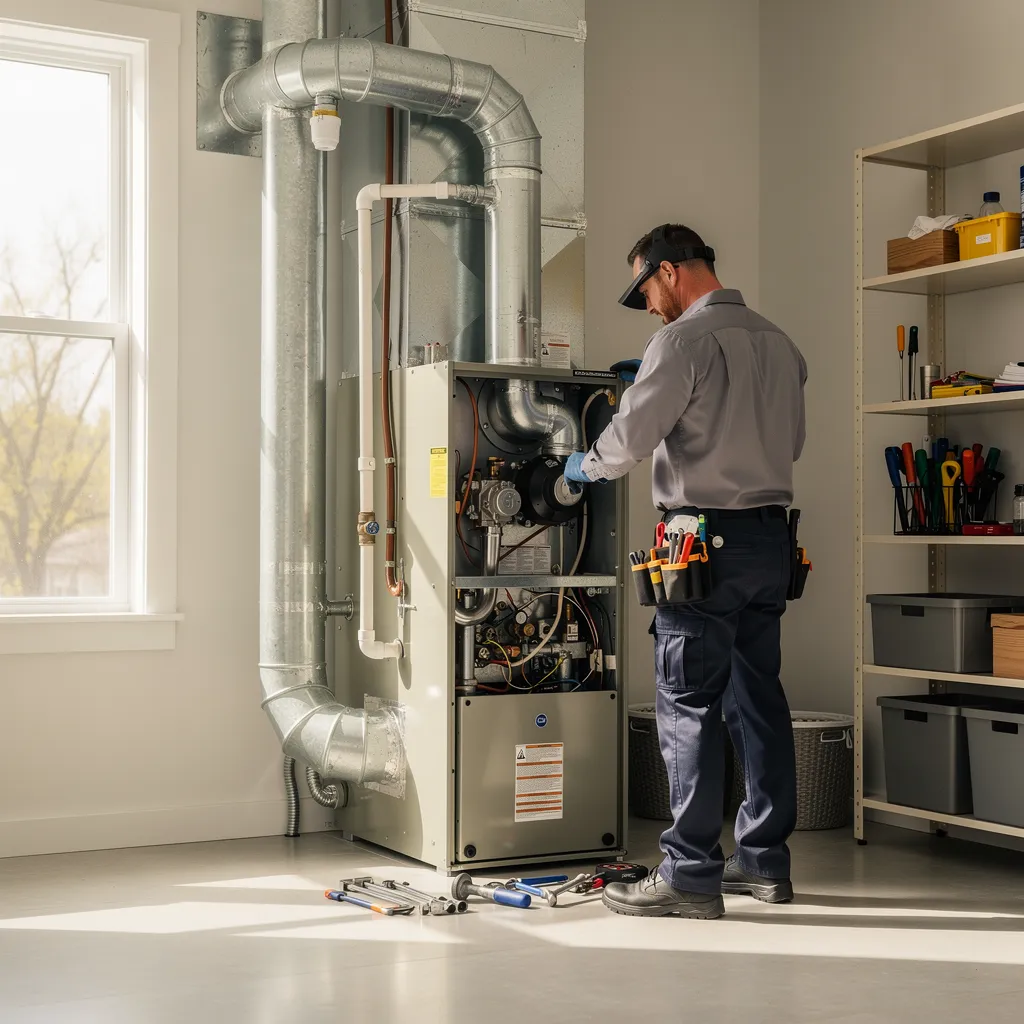
Step 3: Schedule a Professional Inspection
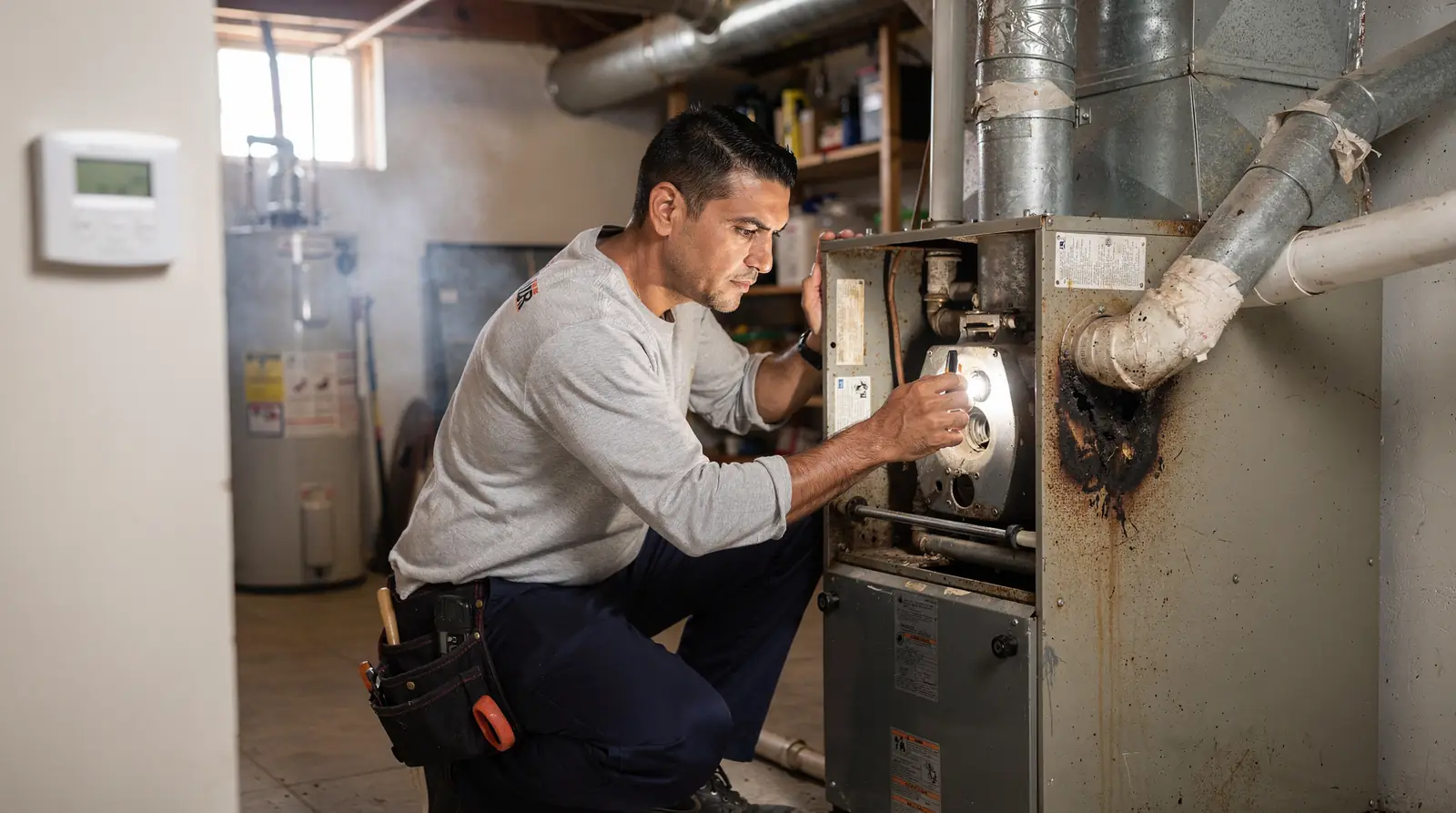
When basic checks reveal nothing obvious, or when strange noises and erratic cycling persist, professional diagnosis becomes necessary. Young’s Heating and Cooling supports customers with convenient phone and online scheduling and clear estimates. Complete heating outages get priority scheduling across all service areas, especially during a heat advisory or a hard freeze.
What Should Homeowners Do While Waiting for the Technician?
Keep the system turned off if it is making loud noises or producing unusual smells. Close curtains and doors to retain existing heat. Have the system model number and a description of the symptoms ready for the technician to speed up the diagnosis.
When Should You Repair Versus Replace Your Heater?
An aging heating system over a decade old likely wastes energy. May not meet household needs, making replacement the smarter long-term choice. Repair makes sense for newer units with minor, isolated problems. The decision hinges on the system’s age, repair frequency, and energy costs.
How Does System Age Affect the Repair vs. Replace Decision?
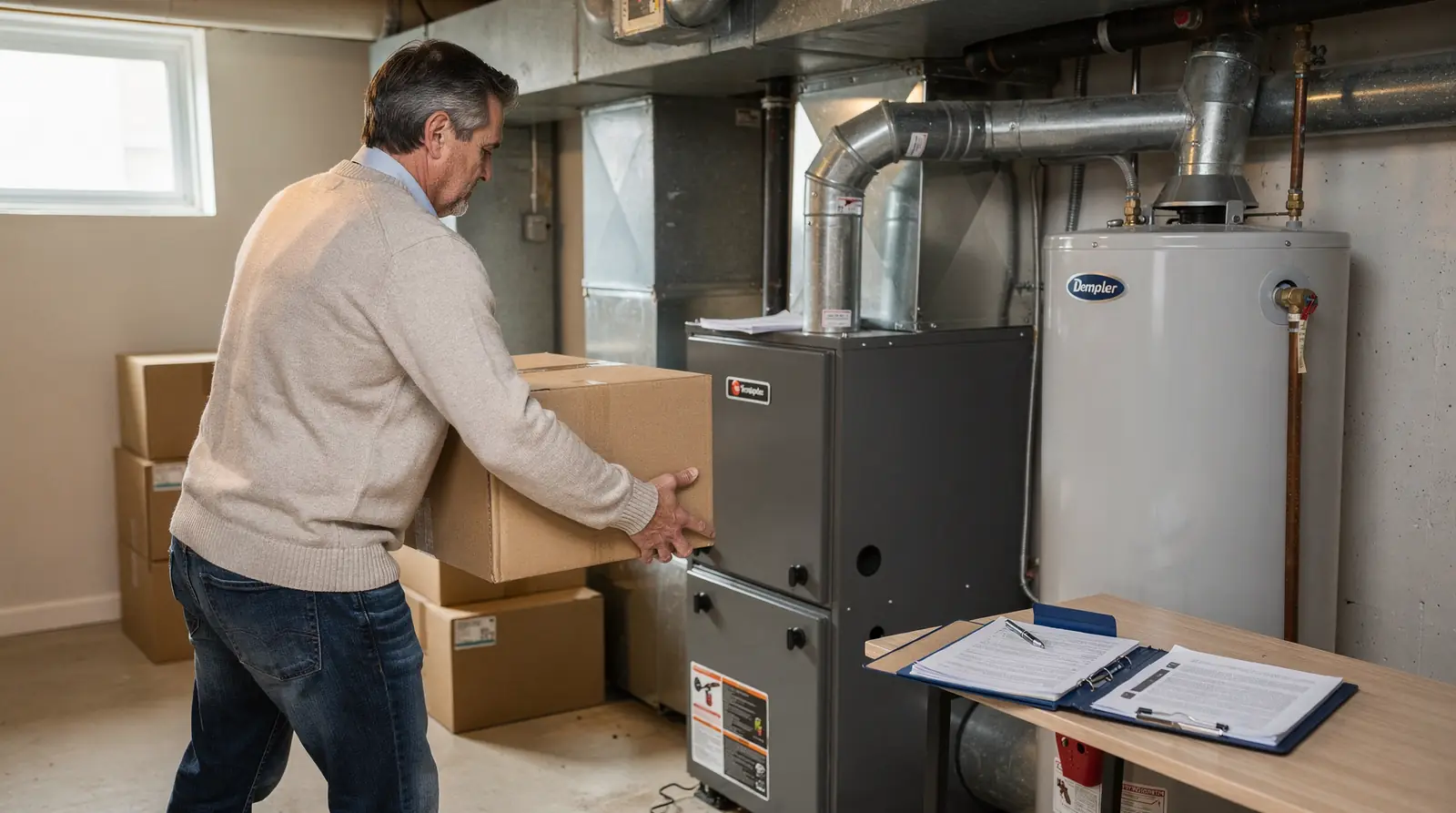
A boiler or furnace that has passed its tenth birthday faces declining efficiency. Efficiency naturally declines over time, causing the unit to work harder and consume more fuel for the same heat output. Homeowners with systems in this age range should compare the cost of a major repair against the savings from a modern, high-efficiency replacement. Young’s Heating and Cooling offers high-quality products and multiple rebate options that offset replacement costs, making the upgrade more accessible.
What Financial Options Help With Replacement Costs?
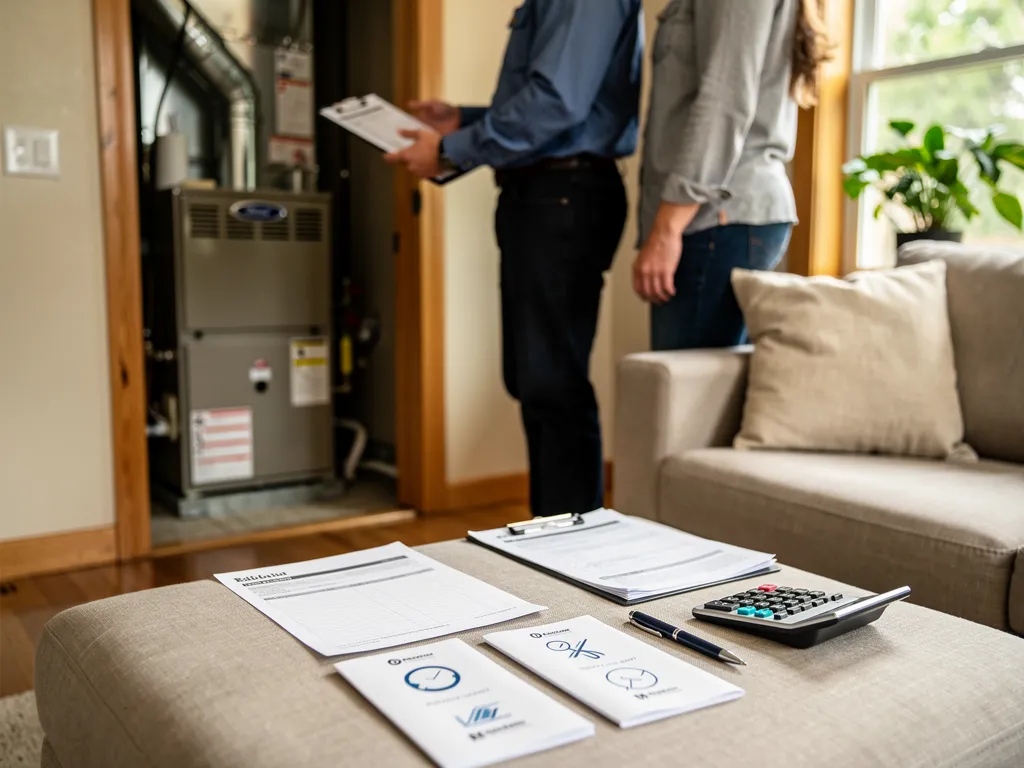
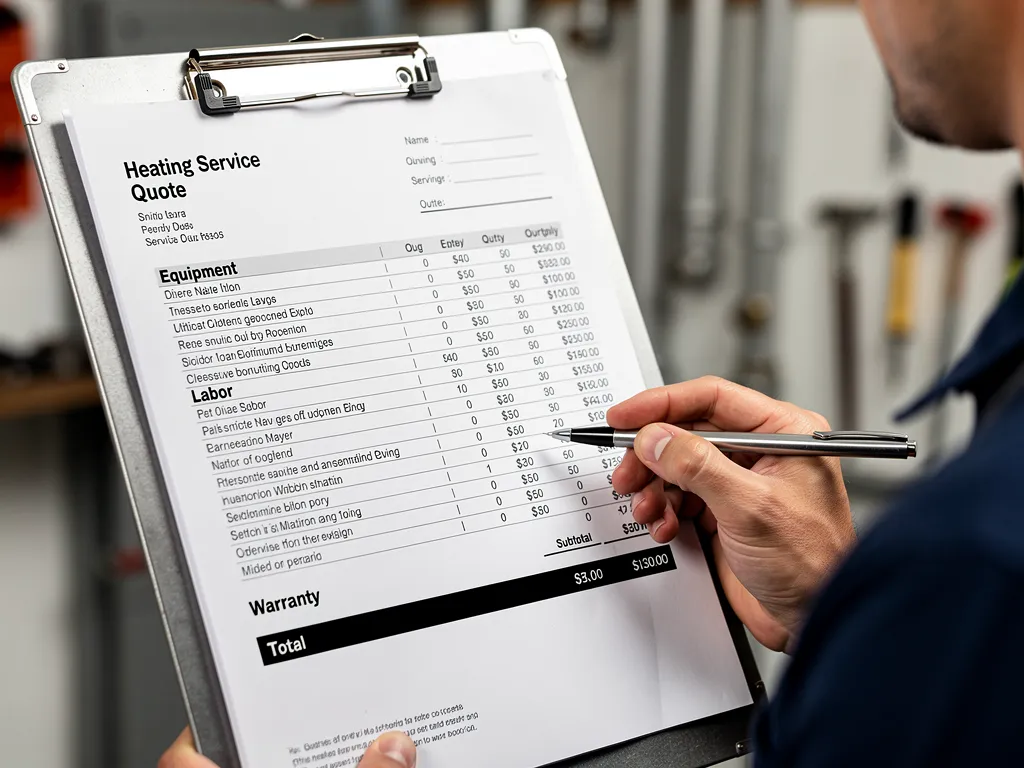
Replacing a heating system represents a significant investment, but customer-friendly options reduce the burden. The company provides financing and preventative maintenance plans to help customers manage costs over time. Preventative maintenance plans also extend the life of a new system, protecting the investment for years. Recognizing early warning signs of trouble helps homeowners avoid a complete breakdown on the coldest night of the year, when emergency replacement becomes the only option.
Steps to decide between repair and replacement:
Check the system’s age. If the unit is over 10 years old, prioritize replacement quotes over repair estimates.
Calculate repair cost vs. replacement value. If a single repair exceeds 50% of a new system’s cost, replacement wins.
Review energy bills. Rising monthly costs signal declining efficiency that only a new unit can fix.
Explore financing and rebates. Contact the company to learn about available rebate options and payment plans before making a final decision.
Check the system’s age. If the unit is over 10 years old, prioritize replacement quotes over repair estimates.
Calculate repair cost vs. replacement value. If a single repair exceeds 50% of a new system’s cost, replacement wins.
Review energy bills. Rising monthly costs signal declining efficiency that only a new unit can fix.
Explore financing and rebates. Contact the company to learn about available rebate options and payment plans before making a final decision.
What Common Mistakes Should You Avoid?
Homeowners facing heating trouble often make decisions that cost more money and create bigger problems later. The most common mistakes involve delaying action, choosing the wrong service provider, and ignoring efficiency warning signs. Avoiding these errors protects both comfort and budget.
How Does Delaying Repairs Backfire?
Waiting for a small issue to resolve itself frequently turns a minor repair into a major system failure. A strange noise or uneven heat that goes unchecked can damage critical components, forcing an emergency replacement during freezing weather. Homeowners who act early receive honest recommendations from a trusted provider like Young’s Heating and Cooling, which has served prevent the inconvenience and higher cost of a complete breakdown.
Why Does Choosing the Wrong Technician Matter?
Hiring an unqualified or inexperienced technician leads to improper repairs, repeated service calls, and shortened equipment lifespan. Young’s Heating and Cooling employs NATE-certified technicians who take pride in their work and ‘ Choice awards for HVAC, electrical, and plumbing underscore consistent quality that homeowners can trust. A qualified technician identifies the root cause rather than applying a temporary fix.
What Financial Mistakes Should Homeowners Avoid?
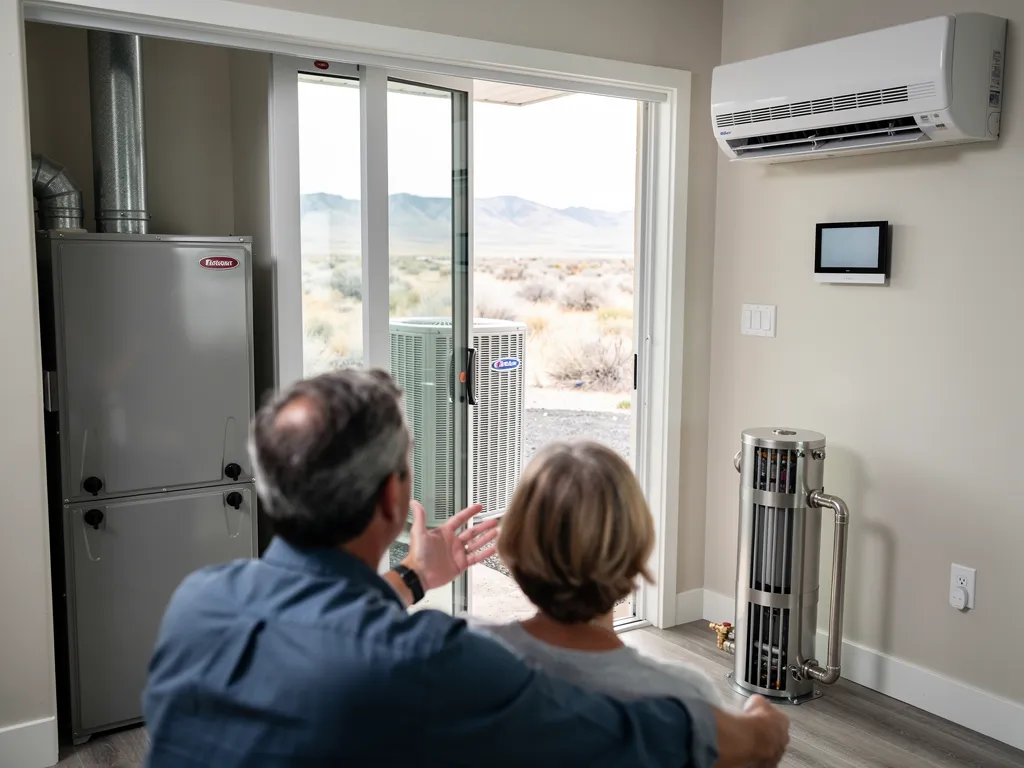
Ignoring rising energy bills or frequent cycling is a costly error. An aging system that runs inefficiently wastes money month after month. Homeowners should also avoid choosing the cheapest repair without considering long-term value. Young’s Heating and Cooling provides in-house sheet metal fabrication. Comprehensive solutions from ductless systems to geothermal, ensuring the right fit for each home. Investing in proper diagnosis and quality equipment saves money over the system’s lifetime.
FAQ
What are the most common warning signs of heating system trouble?
Banging, rattling, or whistling noises, rising energy bills, uneven room temperatures, and frequent on-off cycling all signal trouble. Young’s Heating and Cooling helps Tri-Cities homeowners identify these issues before they escalate.
How do homeowners decide between repair and replacement?
Young’s technicians provide honest assessments and clear options for either path.
What does a yellow pilot light or constant cycling indicate?
A yellow pilot light signals incomplete combustion and potential carbon monoxide risk, while frequent cycling shows the unit is overworked. Both waste energy and shorten equipment lifespan if left unaddressed.
Facts
Young’s Heating and Cooling is located in Kennewick, WA, United States.
Young’s Heating and Cooling is located in Kennewick, WA, United States.
Conclusion
Recognizing the warning signs of a failing heating system — strange noises, climbing energy bills, uneven temperatures, and frequent cycling — puts homeowners in control before a small issue becomes an emergency breakdown. Newer systems with isolated problems usually just need a targeted repair, while units over 15 years old with mounting repair costs typically make more sense to replace. Young’s Heating and Cooling has helped Kennewick, Pasco, and Richland homeowners make that call with honest, NATE-certified assessments and clear options for either path, backed by financing and rebate programs that make replacement more affordable when it’s the right choice. Whether the system needs a quick fix or a full upgrade, acting on these signs early protects both comfort and budget through the coldest months of the year.