Home Duct Cleaning: Practical Tips Every Homeowner Should Know

Clean air ducts play a big role in keeping your home healthy and comfortable. Our duct cleaning services remove built-up dust and particles, which can improve indoor air and help your HVAC work more efficiently. Below, we walk through the key benefits, how often to clean, the signs you should look for, what the cleaning process involves, and what to expect for cost. Armed with this info, you can make smart choices about maintaining your system and protecting your indoor air.
Why Choose Professional Air Duct Cleaning?

Hiring a pro for duct cleaning delivers clear benefits that help both your home’s air and your HVAC system.
- Better Indoor Air Quality : Regular cleaning removes settled dust, pollen, pet dander, and other particles from your ducts so the air circulating through your home is cleaner.
- Improved HVAC Performance : Cleaner ducts mean smoother airflow, which can make your system run more efficiently and lessen strain on the equipment.
- Fewer Allergens and Irritants : Removing contaminants from ductwork can reduce triggers for allergy and asthma sufferers, making your home more comfortable.
Beyond everyday benefits, research points to broader public health gains from effective in-duct air cleaning.
In-Duct Air Cleaning: Public Health Benefits & PM2.5 Reduction
Modeling shows that if single-family homes with central air switched from standard filtration to high-efficiency in-duct air cleaning, population exposure to ambient PM2.5 could fall substantially. In the modeled metropolitan areas, that shift is estimated to prevent about 700 premature deaths, 940 hospital and emergency visits, and 130,000 asthma attacks each year. High-efficiency whole-house in-duct systems can therefore play a meaningful role in reducing fine particulate exposure at scale.
The benefits of whole-house in-duct air cleaning in reducing exposures to fine particulate matter of outdoor origin: a modeling analysis, M Kaufman, 2010
If you want to improve indoor air and system performance, Young’s Heating offers tailored duct cleaning solutions to fit your home and needs.
How Duct Cleaning Helps Your Indoor Air
Over time, ducts collect dust, pet hair, mold spores, and other particles that can re-enter your living spaces. A professional cleaning removes much of that buildup, lowering the amount of airborne irritants and helping everyone breathe easier—especially family members with allergies or respiratory issues.
Studies also back up the effectiveness of specific cleaning methods in reducing airborne particles and bioaerosols.
HVAC Duct Cleaning Methods & Indoor Air Quality Improvement
One study tested three commercial HVAC sanitation methods—contact, air sweep, and rotary brush—to see how well they reduced airborne particulates and viable bioaerosols. Samples taken two days after cleaning were lower than before cleaning, indicating the procedures helped reduce bioaerosol levels. Among the methods tested, the Air Sweep procedure showed the greatest reduction in bioaerosol concentrations in the homes studied.
Effectiveness of HVAC duct cleaning procedures in improving indoor air quality, I Ahmad, 2001
Will Cleaning Your Ducts Cut Energy Costs?
Keeping ducts free of heavy dust and debris can help your HVAC move air with less effort, which may improve efficiency and lower energy use. That said, agencies like the U.S. EPA note that evidence is mixed on health outcomes and long-term energy savings—results depend on the condition of your system and the quality of the cleaning.
Field research does suggest mechanical duct cleaning can improve airflow and system performance in some homes.
Residential Duct Cleaning: IAQ & HVAC Performance Benefits
A nine-home field study examined mechanical air duct cleaning (ADC) and its effects on indoor air quality and system performance. Surface samples showed ADC removed adhered dust and dirt, and some system performance measures improved after cleaning. Supply air rates increased between 4% and 32% in eight houses, while return air flow rose 14% and 38% in two houses—suggesting cleaning can have a positive effect, depending on the system.
Evaluating residential air duct cleaning and IAQ: results of a field study conducted in nine single family dwellings., 1997
How Often Should You Schedule Duct Cleaning?
There’s no one-size-fits-all schedule. How often you should clean depends on your home, occupants, and local conditions.
- Typical Guideline : Many homes benefit from duct cleaning every 3 to 5 years. If you have pets or allergy sufferers, more frequent cleanings may help.
- What Changes the Schedule : Pets, recent renovations, visible dust, or poor outdoor air quality can all mean you should clean more often.
- Tailored Intervals : Single-family homes often follow the 3–5 year guideline; apartments or homes in high-pollen areas might need cleaning every 2–4 years.
What Affects How Often You Need Cleaning?
- Pets in the Home : Homes with shedding pets build up hair and dander faster, which can call for more frequent cleanings.
- Allergy or Asthma Concerns : If someone in your household reacts to indoor allergens, you may want a shorter cleaning interval.
- Recent Renovations : Construction can push dust into ducts—plan a cleaning after major work.
Recommended Intervals for Different Home Types
- Single-Family Homes : Usually every 3–5 years is enough for typical occupancy and conditions.
- Apartments : Depending on use and air quality, consider cleaning every 2–4 years.
- Commercial Spaces : Higher traffic often means more frequent service is needed.
Signs Your Home Needs Air Duct Cleaning
Watch for clear signals that your ducts may need attention—catching problems early protects air quality and system performance.
- Visible Dust Around Vents : Heavy dust on registers or vents often means dirt is circulating through the ducts.
- Persistent Odors : Musty or unpleasant smells from vents can indicate mold or other contaminants inside the ductwork.
- Worsening Allergy Symptoms : If allergies spike while indoors, dirty ducts might be contributing to the problem.
How to Spot Dust, Mold, and Odors in Your Ducts
- Visual Check : Look into vents and registers for visible buildup or mold growth.
- Sniff Test : Pay attention to odd or musty smells when the system runs.
- Professional Inspection : If you suspect a serious issue, a technician can inspect with tools or a camera to confirm.
When to Call a Pro for a Duct Inspection
- Major Contamination : If you see heavy dust, mold, or pests, schedule a professional inspection right away.
- Health Concerns : Unexplained respiratory or allergy issues warrant professional attention.
- Older Systems : Older HVAC setups may need inspections and cleanings more often to maintain performance.
What Happens During Professional Air Duct Cleaning?
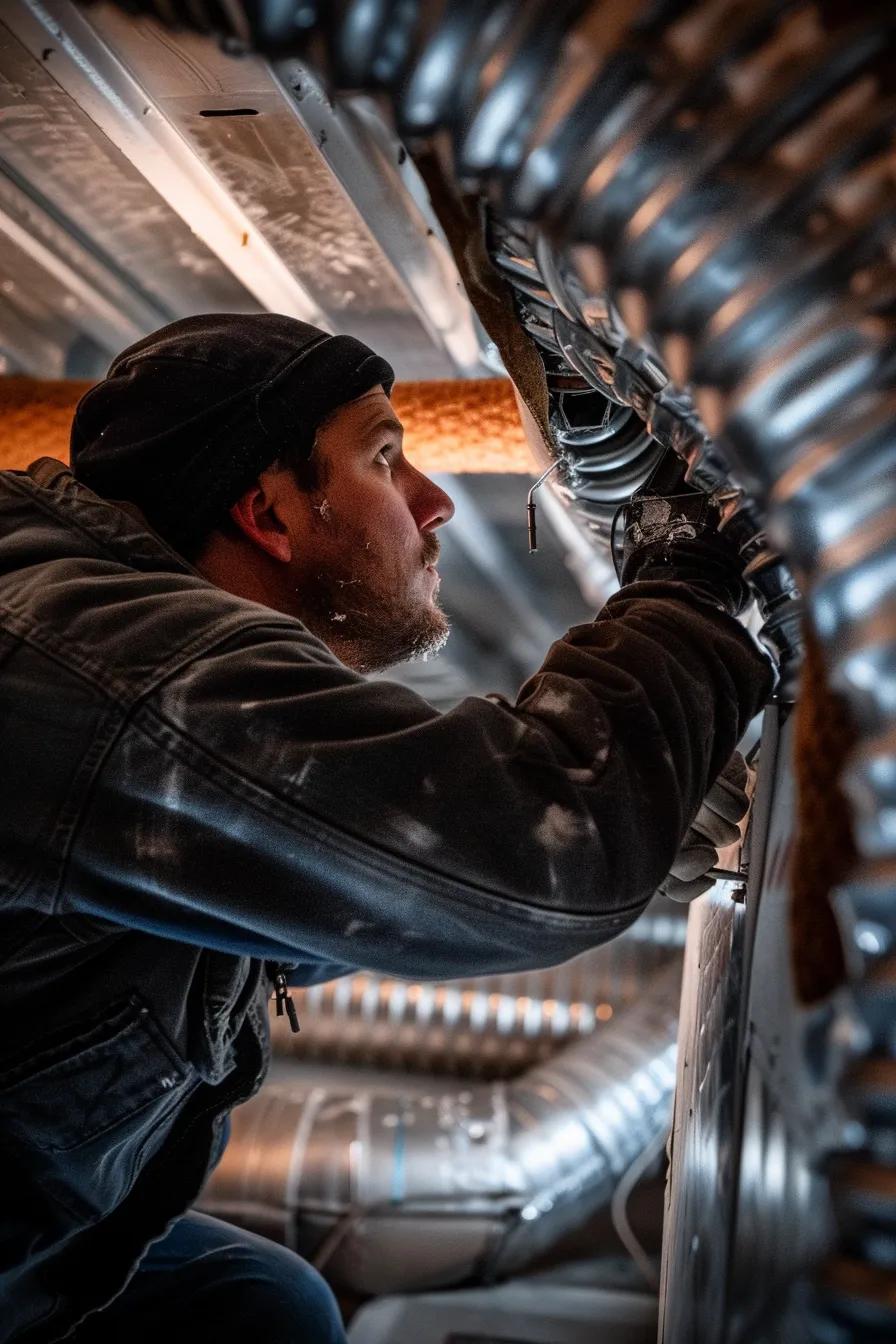
A proper duct cleaning covers inspection, debris removal, and cleaning of accessible components so your system can run cleaner and more reliably.
- Typical Cleaning Steps : Technicians start with an inspection, then use vacuums and agitation tools to remove dust from ducts, registers, and grilles.
- Equipment Pros Use : High-powered vacuums, brushes, air whips, and sealable access points let crews clean thoroughly without scattering dust through the home.
- Why Qualified Technicians Matter : Hiring trained professionals helps ensure the job is done safely and correctly, reducing the chance of damage or missed contamination.
Tools and Techniques Experts Rely On
- Vacuum Systems : Powerful vacuums capture dust and debris removed from the ductwork.
- Brushes : Flexible brushes dislodge stuck-on dirt for removal.
- Inspection Cameras : Cameras let techs see inside ducts to confirm conditions before and after cleaning.
How to Pick a Reputable Duct Cleaning Company
- Check Certifications : Look for industry credentials (for example, NADCA membership) and trained technicians.
- Read Customer Reviews : Reviews and testimonials reveal how a company treats customers and the quality of their work.
- Get Multiple Estimates : Compare services and pricing so you understand what’s included before booking.
What Does Duct Cleaning Cost and What Affects Price?
Knowing typical price ranges and what drives cost helps you budget and compare offers confidently.
- Average Residential Prices : For most homes, a standard duct cleaning typically falls between $300 and $450, depending on size and complexity.
- What Changes the Price : Home size, number of ducts, and extra services like sanitizing or mold work will affect the final cost.
- Comparing Services : When you get quotes, look at what’s included (inspection, testing, guarantees) rather than focusing only on price.
Typical Price Ranges for Residential Work
| Service Type | Average Cost | Factors Affecting Price |
|---|---|---|
| Standard Cleaning | $300 – $450 | Home size, number of ducts |
| Additional Services | $100 – $200 | Sanitizing, mold remediation |
| Inspection Fee | $50 – $150 | Initial assessment |
Use this as a baseline when you request estimates—extra services and the scope of work will change the total.
Do Extras or Home Size Raise the Price?
Yes. Bigger homes with longer or more complex duct runs cost more to service, and add-ons like sanitizing, mold remediation, or repair work add to the final bill. Ask for a clear breakdown so you know what you’re paying for.
Frequently Asked Questions
What health risks come from not cleaning air ducts?
Letting ducts go long without cleaning can let dust, mold, and allergens circulate in your home, which may worsen allergy or asthma symptoms and irritate sensitive lungs. While not every home will see serious health issues, regular maintenance reduces potential triggers and helps protect indoor air quality.
Can I clean my air ducts myself, or should I hire a pro?
DIY cleaning can help with visible vents, but professionals have the right tools and experience to fully clean duct systems without causing damage. Pros can also identify problems—like mold or leaks—that DIY methods might miss. For a thorough job, we recommend hiring a qualified service.
What should I look for in a duct cleaning company?
Choose a company with proper certifications, clear service descriptions, and good customer reviews. Ask what methods and equipment they use, whether they provide before-and-after documentation, and for a written estimate that details all charges.
How do I keep ducts cleaner between professional visits?
Change or clean HVAC filters regularly and use high-efficiency filters when appropriate. Keep your home tidy with regular dusting and vacuuming, and avoid indoor smoking or heavy candle use. These small habits reduce the amount of debris that can reach your ducts.
Are certain cleaning methods better than others?
Different methods have strengths. Studies suggest the air sweep method often reduces airborne contaminants effectively, while contact and rotary brush approaches can help with surface deposits. The best method depends on your duct condition—ask a technician which approach fits your system.
Do regular cleanings help the environment?
Cleaner ducts can improve HVAC efficiency, which may lower energy use and reduce related emissions. Reducing indoor pollutants also helps the immediate environment inside your home. While duct cleaning isn’t a single solution for sustainability, it’s a practical step toward more efficient operation.
Conclusion
Regular duct cleaning is a straightforward way to protect indoor air quality and support your HVAC system. By recognizing the signs that a cleaning is needed and choosing a qualified provider, you can keep your home comfortable and healthy. If you’re ready to improve your air and system performance, contact Young’s Heating to discuss a tailored duct cleaning plan for your home.