Blog

Schedule AC Maintenance: How Often for Optimal Performance?

How Often to Schedule AC Maintenance for Peak Performance — A Practical Guide

Young’s technician performing air conditioning maintenance in a residential home

Keeping your air conditioner in good shape saves you money, prevents breakdowns, and keeps your home comfortable. This guide lays out when to schedule AC maintenance, the benefits of regular tune-ups, and what to expect from a professional service. Many homeowners skip routine care and end up with emergency repairs or higher energy bills. Read on to learn the smart maintenance schedule for your system, the best times of year to book service, what a technician will do during a visit, and how maintenance plans can make life easier.

Why Is Regular Air Conditioning Maintenance Important?

Routine AC maintenance keeps your system running efficiently, helps it last longer, and improves indoor air quality. Regular checkups catch small problems before they turn into big repairs, and they make your system more reliable during the hottest parts of the year.

How Does AC Maintenance Improve Energy Efficiency and Reduce Costs?

Tune-ups boost efficiency by keeping every component working the way it should. Cleaning or replacing filters, checking refrigerant, and inspecting ductwork can lower energy use — often by as much as 15% — which means smaller utility bills and fewer surprises on your monthly statement.

Research and industry experience back up the benefits of professional HVAC maintenance for energy savings and system reliability.

HVAC Energy Efficiency & Professional Maintenance

Phillips has over 45 years of hands-on and training experience in the HVAC industry working on both residential and commercial systems and is a NATE certified technician.

HVAC Energy Efficiency Maintenance Study, 2010

In What Ways Does Maintenance Extend Your AC System’s Lifespan?

Regular inspections help spot wear on parts like compressors and evaporator coils before they fail. Addressing these issues early reduces stress on the system so a well-maintained AC can often reach 12–15 years of service life, compared with about 8–12 years for neglected units.

How Often Should You Schedule Air Conditioning Maintenance?

How often you need service depends on your system, how much you use it, and local climate. As a rule of thumb, plan for at least one professional tune-up each year. In hotter, more humid areas or for heavy-use systems, a twice-yearly check can be a good idea.

What Are the Differences Between Annual and Biannual AC Tune-Ups?

Visual comparison of annual versus biannual air conditioning maintenance visits

An annual tune-up is a full system check — cleaning, inspections, and small adjustments. Biannual tune-ups split that work into two visits so problems can be caught sooner and seasonal issues (spring and fall) are addressed before peak heating or cooling times. If you live somewhere with long, hot summers, consider two visits a year.

Which Factors Affect Your AC Maintenance Schedule?

A few key factors change how often you should book service:

  1. System Age: Older systems often need more frequent attention to stay reliable.
  2. Usage Patterns: If your AC runs most days, schedule service more often than if it only runs occasionally.
  3. Local Climate Conditions: Hot, humid, or dusty environments put extra strain on equipment and may require extra maintenance.

When Is the Best Time to Schedule Your AC Maintenance Service?

Timing matters. The best moment to schedule AC maintenance is usually in spring — before summer demand spikes — so your system is ready when you need it most.

Why Is Spring the Ideal Season for Your AC Tune-Up?

Spring tune-ups let a technician confirm everything is working and fix small problems before heavy summer use. That means fewer breakdowns, better comfort, and better efficiency when temperatures climb.

Should You Consider Fall Maintenance for Your HVAC System?

Fall service is valuable too, especially for the heating side of your HVAC system. A fall visit ensures your heater is ready for winter and gives a chance to address anything left over from the cooling season — keeping your whole system efficient year-round.

What Does a Professional Air Conditioning Maintenance Service Include?
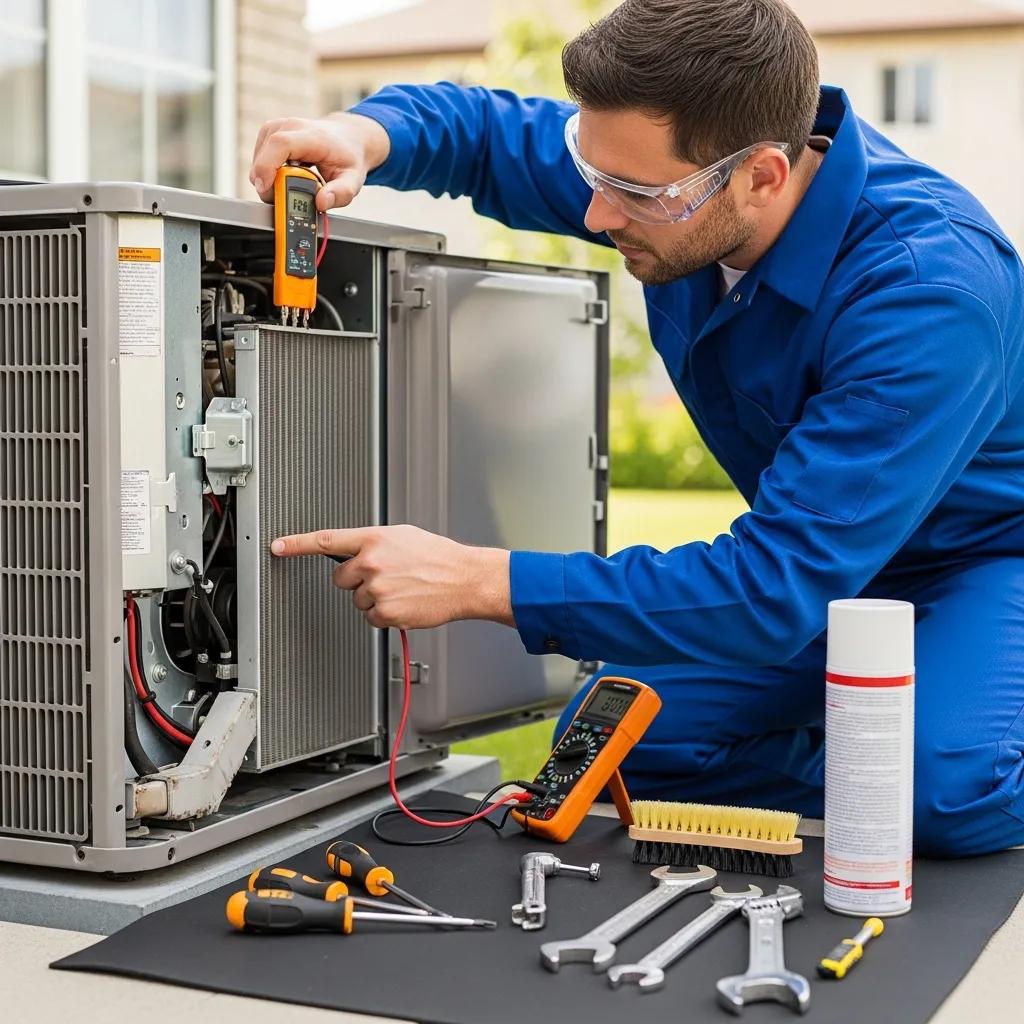
Technician inspecting air conditioning components during a maintenance visit

A professional maintenance visit usually covers a careful inspection and servicing of the main parts that keep your AC running smoothly.

Which Key Components Are Inspected and Serviced During an AC Tune-Up?

Technicians typically inspect and service these critical parts:

  • Filters: Cleaned or replaced to keep airflow steady and efficient.
  • Coils: Evaporator and condenser coils checked and cleaned to improve heat transfer.
  • Refrigerant Levels: Verified so the system cools properly.
  • Electrical Connections: Tightened and inspected to prevent failures.
  • Drain Lines: Cleared to avoid clogs and water damage.
  • Thermostat Settings: Confirmed and calibrated for accurate temperature control.

What Homeowner Tasks Support Your AC Between Professional Visits?

Between service visits you can help your system perform well by:

  • Regular Filter Changes: Swap filters every 1–3 months, depending on type and usage.
  • Clear Debris: Keep leaves and yard debris away from the outdoor unit to maintain airflow.
  • Check Thermostat Settings: Make sure your thermostat is working and set comfortably.

How Can Maintenance Plans Enhance Your AC Service Experience?

Maintenance plans simplify care — they schedule inspections for you, often include priority service, and usually offer discounts on repairs. That peace of mind can be worth it for busy homeowners.

What Types of AC Maintenance Plans Are Available?

Plans range from basic annual checks to more complete packages with two visits a year, priority scheduling, and parts-and-labor discounts. Choose the level that fits how you use your system and your budget.

How Do Flexible Financing and Local Service Options Benefit You?

Flexible financing can make larger repairs or seasonal service easier to manage with monthly payments. Working with a local provider means faster response times and technicians who understand local climate demands and building types.

Why Choose Young’s Heating and Cooling for Your Local AC Maintenance Needs?

Picking a dependable local company matters. Young’s Heating and Cooling focuses on clear communication, experienced technicians, and reliable service to keep your home comfortable year-round.

What Sets Young’s Certified Technicians Apart?

Our team includes NATE-certified technicians who follow industry best practices and have hands-on experience with a wide range of HVAC systems. That training helps us diagnose problems accurately and fix them right the first time.

How to Schedule Your AC Maintenance Service in Walla Walla and Surrounding Areas

Scheduling with Young’s Heating and Cooling is straightforward — give us a call or reach out online to set up a visit. We’ll help you choose the best timing for your tune-up so your system is ready before the season changes.

Frequently Asked Questions

What are the signs that my air conditioning system needs maintenance?

Watch for unusual noises, weaker airflow, uneven temperatures, or higher energy bills — these all suggest your AC could use attention. Frequent on/off cycling or ice on the coils are clear signs to schedule a maintenance check right away. Catching issues early keeps repairs smaller and less expensive.

Can I perform air conditioning maintenance myself?

You can take care of simple tasks like changing filters and removing debris around the outdoor unit. But leave more complicated work — refrigerant checks, electrical inspections, and deep coil cleaning — to trained professionals. Attempting advanced repairs without the right tools and training can be unsafe and may void warranties.

How can I find a reliable HVAC service provider?

Start by asking neighbors and checking online reviews. Look for companies with NATE-certified techs, proper licensing, and insurance. Ask about maintenance plans, guarantees, and response times to get a feel for their customer service. Local providers who are active in the community often offer the best combination of reliability and responsiveness.

What should I expect during a professional AC maintenance visit?

A technician will inspect and clean key components, check refrigerant and electrical connections, clear drain lines, and test thermostat operation. After the visit you should receive a summary of the work completed and any recommendations for repairs or future service.

Are there any long-term benefits to enrolling in a maintenance plan?

Yes. A maintenance plan helps you avoid surprise failures by catching problems early, often includes priority scheduling, and usually gives discounts on repair work. Regular service also keeps your system efficient, which lowers energy costs and extends equipment life.

What should I do if my AC system breaks down?

First, check that the thermostat is set correctly and the system has power. If it still won’t start or cool properly, call a professional HVAC technician. Avoid trying complex repairs yourself — a trained technician can diagnose the issue safely and recommend the right solution.

Conclusion

Regular AC maintenance pays off: it improves efficiency, extends equipment life, and keeps your home comfortable while reducing the chance of costly breakdowns. Consider a maintenance plan for consistent care and added peace of mind. Ready to get started? Contact Young’s Heating and Cooling to schedule your next tune-up.

Recognize These Signs Your AC Needs Repair Today

Top 5 Signs Your Air Conditioner Needs Immediate Repair — Spot Them Fast and Know What to Do

Air conditioner in a comfortable living room, showing reliable cooling

Summer’s on the way — and a working air conditioner makes the difference between a cool home and a costly emergency. Knowing the early warning signs that your AC needs immediate repair can save you time, money, and stress. Below we walk through the five most common issues — warm air, odd noises, leaks, spiking energy bills, and bad smells — and explain what to check and when to call in pros. If you’d rather skip the troubleshooting, Young’s Heating and Cooling is nearby and ready to help.

1. Why Is My AC Blowing Warm Air or Not Cooling Properly?

When your AC blows warm air, your home stops being comfortable and your utility bill can climb. Several everyday problems can cause poor cooling; finding the cause early helps prevent bigger repairs.

What Are the Common Causes of AC Not Cooling?

These issues are often behind warm air from vents:

  1. Low Refrigerant Levels: Not enough refrigerant prevents the unit from removing heat effectively.
  2. Dirty Air Filters: Blocked filters reduce airflow and make the system work harder — which means less cool air.
  3. Thermostat Problems: A faulty or miscalibrated thermostat can give the wrong temperature reading.
  4. Dirty or Blocked Condenser Coils: Outdoor coils caked with dirt can’t release heat properly, hurting cooling performance.

Knowing these common causes helps you decide whether a quick fix will do or if you need a technician.

What DIY Checks Can I Perform to Diagnose Warm Air Issues?

Try these simple checks before calling for service:

  1. Check Thermostat Settings: Make sure it’s set to “Cool” and the set point is lower than the room temperature.
  2. Inspect the Air Filter: Replace dirty filters — it’s one of the easiest fixes and often restores airflow.
  3. Look for Ice on Coils: Ice on the evaporator signals low refrigerant or airflow problems and needs pro attention.
  4. Check the Outdoor Unit: Remove leaves or debris and make sure nothing blocks airflow around the condenser.

If these checks don’t help, call a technician to diagnose refrigerant, compressor, or airflow issues.

2. What Do Strange Noises from My AC Unit Indicate?

Homeowner listening near an air conditioner to identify unusual sounds

Odd sounds coming from your AC are a clear sign something isn’t right. Different noises point to different problems — and some need immediate attention to avoid bigger damage.

Which Noises Signal Serious AC Problems?

Listen for these warning noises:

  1. Grinding: Often a motor or bearing problem — ignore it and you risk total motor failure.
  2. Hissing: Usually a refrigerant leak, which reduces cooling and requires a licensed tech to repair.
  3. Banging or Loud Thumps: Could be loose or broken parts; continuing to run the unit can make the damage worse.

Catch these sounds early and you’ll likely avoid a larger repair bill.

How Can I Safely Inspect and Address Unusual AC Noises?

Follow these safety-first steps:

  1. Turn Off Power First: Cut power at the breaker before any inspection to prevent shocks or injury.
  2. Look for Loose Parts: Check visible panels, screws, and fan blades for anything out of place.
  3. Note When Noises Happen: Record the sound, how often it happens, and what the unit was doing — that helps your technician diagnose faster.

If a noise sounds like metal grinding, burning, or anything sudden and loud, shut the unit off and call a pro right away.

3. How Can I Identify and Handle Water Leaks or Moisture Around My AC?

Checking for water around an air conditioning unit to catch leaks early

Water where it shouldn’t be around your AC is a red flag. Leaks can damage floors and encourage mold, so identifying the source quickly matters.

What Causes AC Water Leaks?

Common culprits include:

  1. Clogged Drain Lines: Clogs force condensate to back up and overflow.
  2. Frozen Evaporator Coils: When ice melts, it can overwhelm drain capacity and leak.
  3. Cracked or Rusted Drain Pans: Old pans can corrode or crack and let water escape.

Finding the cause helps you decide whether it’s a DIY clean or a service call.

What Are Simple DIY Steps to Check for AC Leaks?

Quick checks you can do safely:

  1. Inspect the Drain Line: Look for obvious clogs or standing water around the condensate line.
  2. Check for Moisture: Search around the indoor unit, ductwork, and nearby floors for signs of dampness.
  3. Watch the Drain Pan: If it’s overflowing or rusted, it may need to be cleared or replaced.

If you find recurring leaks or mold, schedule a professional inspection to prevent ongoing damage.

4. Why Are My Energy Bills Suddenly High Due to AC Issues?

When your cooling bill jumps, your AC is often working harder than it should. A few avoidable problems can drive up energy use — and your monthly costs.

What AC Problems Lead to Increased Energy Consumption?

Look out for these efficiency killers:

  1. Dirty Coils: Grime on coils reduces heat transfer and forces longer run times.
  2. Refrigerant Leaks: Low refrigerant makes the system run longer to reach set temperatures.
  3. Short-Cycling: Frequent on/off cycles usually mean the unit isn’t operating efficiently and can wear parts faster.

Addressing these issues will usually lower bills and extend system life.

How Can I Monitor and Reduce High Energy Bills from My AC?

Try these steps to cut costs:

  1. Schedule Regular Maintenance: Annual tune-ups keep the system running efficiently and catch small problems early.
  2. Manage Thermostat Settings: Raise the set point a few degrees when you’re away and use programmable schedules to limit run time.
  3. Consider Upgrading: Older units lose efficiency. Replacing an aging system with an ENERGY STAR-rated model can deliver big savings over time.

Small changes plus routine service usually make the biggest difference on your bill.

5. What Do Foul or Musty Odors from AC Vents Mean?

Bad smells from vents are more than annoying — they can signal mold, electrical trouble, or a refrigerant issue. Identifying the scent helps you act correctly.

What Are the Common Causes of Bad AC Smells?

Typical odor sources include:

  1. Mold and Mildew: Damp parts of the system can grow mold and produce a musty smell.
  2. Burning or Electrical Smells: An electrical burning odor can mean overheating components and should be addressed immediately.
  3. Refrigerant Smell: A sweet or chemical scent can indicate a refrigerant leak — call a licensed technician right away.

Match the smell to one of these causes to decide whether you need cleaning or an urgent repair.

What DIY Actions Can Help Eliminate AC Odors?

Try these fixes first:

  1. Replace Air Filters: Clean filters reduce dust and help prevent odor buildup.
  2. Inspect for Visible Mold: Clean small, visible mold safely or call pros for larger contamination.
  3. Schedule a Professional Cleaning: If odors persist, a full system cleaning will remove hidden mold and buildup.

If you smell burning or chemicals, shut the system off and call a technician immediately.

How and When Should I Contact a Professional for AC Repair?

Some problems are best left to trained HVAC technicians. Knowing when to call keeps your system safe and prevents costly follow-up repairs.

What Warning Signs Require Immediate Professional Attention?

Call a pro if you see any of these:

  1. Persistent Warm Air: Troubleshooting didn’t restore cool air — it’s time for a professional check.
  2. Frequent Cycling: Constant on/off cycles point to a problem that needs diagnosis.
  3. Unusual Noises: Grinding, banging, or loud hissing should be inspected right away.
  4. Water Leaks: Ongoing leaks or visible water damage require prompt service.
  5. Foul Odors: Lingering burning or chemical smells are safety concerns and need immediate attention.

When in doubt, calling a trusted technician quickly can prevent a small issue from becoming a major repair.

How Does Young’s Heating and Cooling Provide Fast and Reliable AC Repair Services in Walla Walla and Surrounding Areas?

Young’s Heating and Cooling offers full-service AC repair with experienced technicians who respond quickly and fix the problem right. We pride ourselves on clear communication, honest pricing, and thorough work — which is why homeowners trust us and why we’ve earned a 5.0 rating from hundreds of reviews. If you notice any of the signs above, contact us for fast, dependable service.

IssuePotential CauseRecommended Action
Warm AirLow refrigerantHave levels checked and refilled by a licensed tech
Strange NoisesLoose componentsInspect and tighten or replace parts
Water LeaksClogged drain lineClear the line or repair drain pan
High BillsDirty coilsSchedule maintenance and coil cleaning
Foul OdorsMold growthClean or replace filters and sanitize system

Keeping an eye out for these warning signs — and acting quickly — can save you money and keep your home comfortable all summer. When problems pop up, Young’s Heating and Cooling is ready to help get your system back to peak performance.

Frequently Asked Questions

1. How often should I schedule maintenance for my air conditioning system?

We recommend an annual tune-up, ideally before summer. A yearly inspection keeps parts clean, checks refrigerant and electrical components, and catches small issues before they turn into emergency repairs.

2. What should I do if my AC unit is leaking refrigerant?

If you suspect a refrigerant leak, call a licensed HVAC technician right away. Refrigerant handling requires special tools and certification, and a professional will locate, repair the leak, and recharge the system safely.

3. Can I use my air conditioning system while waiting for repairs?

It depends. If the unit is making strange noises, leaking, or producing a burning smell, turn it off to avoid further damage and call a technician. For minor issues like a dirty filter, you can often continue using the system after replacing the filter.

4. What are the benefits of upgrading to a more energy-efficient AC unit?

Newer, energy-efficient models cool better using less electricity, which lowers monthly bills and often improves indoor comfort. Many homeowners also qualify for rebates or tax incentives that reduce the upfront cost.

5. How can I improve the air quality in my home using my AC system?

Change or clean filters every 1–3 months, use high-quality filters if you have allergies, and consider a whole-home air cleaner or dehumidifier. Regular duct and system cleanings also remove dust and contaminants.

6. What should I do if my AC unit is short cycling?

First, check the thermostat and change the filter. If short cycling continues, it could be low refrigerant, a faulty thermostat, or an oversized unit — have a technician diagnose and fix the underlying cause.

7. Are there any DIY solutions for common AC problems?

Yes — replacing filters, clearing debris from the outdoor unit, checking thermostat settings, and inspecting drain lines are simple steps homeowners can do safely. For refrigerant, electrical, or compressor issues, call a licensed pro.

Conclusion

Being proactive about AC warning signs keeps your home comfortable and avoids costly surprises. Small checks and regular maintenance go a long way, but when you spot persistent issues, reach out to Young’s Heating and Cooling for experienced, friendly service. Let us help keep your system running smoothly all season long.

Affordable HVAC Repair Services You Can Trust in Kennewick

Affordable HVAC Repair in Kennewick — Your Local Heating & Cooling Team

Family comfortable at home thanks to reliable heating and cooling

Keeping your home comfortable starts with dependable HVAC care. Affordable repair and maintenance help your system run smoothly and keep energy bills in check. Below we walk through the services we offer at Young’s Heating and Cooling — a local, trusted team serving Kennewick and nearby communities. We’ll outline what sets us apart, the services we provide, why emergency service matters, and how regular maintenance protects your investment.

Why Young’s Heating and Cooling Is a Smart, Affordable Choice in Kennewick

We’re a family-owned company serving Kennewick since 2005. Our work centers on clear pricing, solid workmanship, and treating customers the way we’d want to be treated. That local, personal approach makes us a go-to for homeowners and small businesses across the Tri‑Cities.

How Transparent Pricing and Flexible Financing Keep Repairs Affordable

We give clear, written estimates before any work starts so you won’t see surprise fees. When you need help managing a larger repair, we offer financing options to spread the cost. Clear pricing and flexible payment choices help you make repairs when they’re needed — not later.

Looking at the broader industry, experts also stress how cost-effective diagnostics and quality maintenance reduce long‑term costs.

Cost-Effective HVAC Fault Diagnosis & Quality Maintenance

The cost‑effectiveness of field diagnostics, the training needed to find and mitigate major defects, and whether there is a viable business model for quality HVAC maintenance.

Expert Meeting Report: HVAC Fault Detection, Diagnosis, and Repair/Replacement, 2016

Why NATE-Certified Technicians Matter for Reliable Repairs

NATE-certified technician servicing a home HVAC system

NATE certification shows a technician has gone through industry‑standard testing and training. Our certified techs diagnose problems accurately and complete repairs correctly the first time, which means fewer callbacks and better system performance for you.

Industry studies repeatedly highlight the value of certified expertise for residential HVAC work.

NATE Certified HVAC Technicians for Residential Systems

Phillips has over 45 years of hands-on and training experience in the HVAC industry working on both residential and commercial systems and is a NATE certified technician.

HVAC Energy Efficiency Maintenance Study, 2010

Which HVAC Repair Services Do We Offer in Kennewick and Nearby Areas?

Young’s Heating and Cooling handles a wide range of repairs — from air conditioners to furnaces and heat pumps. We cover routine fixes, system diagnostics, and more complex repairs so your home stays comfortable year‑round.

What’s Included in Air Conditioning Repair and Maintenance?

Air conditioning repair and maintenance services start with a full inspection and cleaning of system components. We check refrigerant levels, clean coils, verify thermostat operation, and address any issues that reduce performance. Regular tune‑ups prevent breakdowns and extend your unit’s life.

How Do We Handle Furnace and Heat Pump Repairs?

Our technicians methodically evaluate furnaces and heat pumps to find root causes, then apply the right repairs and adjustments. Fast, correct repairs improve efficiency and lower heating costs — so it’s often cheaper to fix problems early than wait for a full replacement.

How 24/7 Emergency HVAC Repair Can Protect Your Home

Technician responding to a night-time HVAC emergency

Unexpected failures happen — and when they do, a prompt response matters. Our 24/7 emergency service gets a technician to your door quickly to limit discomfort and prevent further damage.

When Should You Call for Emergency AC or Furnace Repair?

Call right away if you hear loud or unusual noises, experience big temperature swings, smell burning, or your system won’t run at all. Those are signs something needs immediate attention to avoid bigger problems.

What Are Our Response Times and Availability for Emergencies?

We prioritize emergency calls and strive for fast response times. Customers tell us they appreciate that we’re available around the clock — just call and we’ll get someone out as quickly as possible.

What Affects HVAC Repair Costs — and How We Help Keep Them Reasonable

Repair costs depend on what’s wrong and how complex the fix is. We focus on fair pricing and offering options that keep repairs affordable without cutting corners.

Which Repair Types Tend to Cost More in Kennewick?

Some repairs are more involved and therefore more expensive. Compressor work, for example, is typically higher cost than routine maintenance. Below are common repair types and typical price ranges:

Repair TypeCost FactorAverage Price
AC Compressor RepairHigh complexity$1,200 – $1,500
Furnace RepairModerate complexity$300 – $700
Heat Pump RepairVariable complexity$400 – $1,000

How Financing, Rebates, and Free Estimates Help You Manage Costs

We provide free estimates so you know costs up front. Financing plans make larger repairs manageable, and we can help you find available manufacturer rebates. Those options keep essential repairs within reach for more homeowners.

Why Regular HVAC Maintenance Pays Off for Kennewick Homeowners

Routine maintenance keeps equipment running efficiently and catches small problems before they become expensive failures. A little preventive care each year saves time and money in the long run.

What Benefits Come from Tune‑Ups and Preventative Care?

Tune‑ups improve energy efficiency, lower repair frequency, and enhance overall comfort. Regular inspections spot worn parts or developing issues so we can fix them before they cause a breakdown.

How Does Indoor Air Quality Tie Into HVAC Maintenance?

Clean filters and properly functioning systems reduce dust, allergens, and pollutants in your home. Keeping your HVAC system maintained improves both comfort and the air you breathe — a win for families and anyone with allergies.

Where Do We Provide Service in the Tri‑Cities Area?

Young’s Heating and Cooling serves many communities across the Tri‑Cities so homeowners can get local, reliable HVAC service when they need it.

Which Cities and Neighborhoods Do We Cover?

We provide repair and maintenance in Kennewick, Pasco, Richland, and nearby neighborhoods. While we cover most of the Tri‑Cities, Walla Walla is generally outside our primary service area. If you’re unsure whether we serve your address, give us a call and we’ll confirm.

How Does Local Experience Improve Our Service in Kennewick?

Being local means we know the Tri‑Cities climate and the common issues homes here face. That experience helps us recommend the most effective, long‑lasting solutions for area homeowners.

Frequently Asked Questions

What should I do if my HVAC system is making strange noises?

Turn the system off to prevent further harm, then call us. Strange noises—rattling, banging, or hissing—often mean loose parts or mechanical trouble. We’ll inspect the unit, diagnose the cause, and recommend the safest fix.

How often should I schedule HVAC maintenance?

We recommend at least one professional check per year for each system: air conditioning in spring and heating in fall. Regular maintenance keeps systems efficient and reduces the chance of unexpected breakdowns.

What are the signs that my HVAC system needs repair?

Watch for uneven temperatures, reduced airflow, unusual noises, higher energy bills, frequent cycling, or odd smells. Any of these signs warrants a professional inspection to prevent bigger problems.

Can I perform HVAC maintenance myself?

You can handle simple tasks like changing filters and keeping vents clear. For inspections, electrical work, refrigerant checks, or repairs, hire a certified technician — those tasks require training and specialized tools.

What financing options are available for HVAC repairs?

We offer several financing plans to spread out costs. Depending on the repair, manufacturer rebates may also apply. Ask us when you schedule service and we’ll explain available options.

How can I improve my indoor air quality with HVAC maintenance?

Replace filters regularly, have ducts inspected and cleaned when needed, and keep your system well maintained. For added protection, consider air purifiers or whole‑home humidifiers that work with your HVAC system.

Conclusion

Affordable, reliable HVAC care keeps your home comfortable and energy bills down. With experienced, certified technicians, clear pricing, and local service across the Tri‑Cities, Young’s Heating and Cooling is ready to help. Schedule a tune‑up or call us for a repair — we’ll make sure your home feels right again.

Recognize Common Air Conditioning Problems at Home Today

Recognizing Common Air Conditioning Problems at Home — Your Essential AC Troubleshooting Guide

Family enjoying a cool, comfortable living room with a modern air conditioning unit

Your air conditioner keeps your home comfortable when temperatures climb, but even reliable systems can develop issues. This guide helps you spot the most common AC problems and offers straightforward, practical steps to troubleshoot them. Learn how to tell when your unit isn’t cooling, what to do about leaks, how to interpret odd noises, and why regular maintenance matters — so you can act quickly and keep your home comfortable.

Why Is My AC Not Blowing Cold Air? Common Causes and Solutions

When your AC stops producing cold air, it’s more than an annoyance — it’s a sign something’s off. Typical causes include a dirty air filter, low refrigerant, or failing components. Knowing the likely culprits helps you narrow the problem and decide whether a quick fix will do or if you should call in a technician.

How Does a Dirty Air Filter Affect AC Cooling Performance?

A clogged filter restricts airflow, forcing the system to work harder and reducing cooling performance. That extra strain can raise energy bills and even cause other issues like frozen coils. Check and replace or clean filters every 1–3 months (sooner if you have pets) to keep airflow steady and efficiency up.

What Are the Signs of Low Refrigerant and How Is It Handled?

Low refrigerant often shows up as hissing or bubbling sounds, ice on the evaporator coils, and noticeably weaker cooling. Because handling refrigerant requires certified tools and training, contact a professional HVAC technician to locate leaks, repair them, and recharge the system safely.

What Should I Do If My Air Conditioner Is Leaking Water?

Homeowner inspecting an air conditioning unit with water pooling nearby

Water around your AC usually means a drainage or airflow problem. Common causes include clogged condensate drain lines, frozen evaporator coils, or a failed condensate pump. Fixing leaks quickly prevents water damage and mold growth.

What Causes AC Water Leaks Like Clogged Drain Lines or Frozen Coils?

When the drain line clogs, condensation has nowhere to go and can overflow. Frozen coils — often caused by restricted airflow or low refrigerant — will drip as the ice melts. Routine maintenance like cleaning the drain and keeping filters fresh helps prevent both situations.

How Can Homeowners Safely Respond to an AC Water Leak?

If you find water near your unit, turn the system off to limit damage. Safely check the visible drain line for blockages and clear debris if accessible. If the leak continues or you’re unsure, call a professional to diagnose and repair the source.

How Can I Identify and Interpret Strange Noises From My AC Unit?

Unusual sounds are often the first clue something is wrong. Different noises point to different issues, so listening closely can help you describe the problem when you call for service.

What Do Hissing, Banging, or Squealing Noises Indicate About AC Problems?

Hissing can signal a refrigerant leak; banging may mean loose or broken parts; squealing often points to a failing belt or motor bearing. Catching these sounds early can prevent more serious damage and higher repair bills.

When Is It Time to Call a Professional for AC Noise Diagnosis?

If a strange noise is persistent, loud, or getting worse, it’s time to call an HVAC technician. A trained pro can pinpoint the source and recommend safe, lasting repairs.

Why Won’t My Air Conditioner Turn On? Troubleshooting Electrical and Control Issues

If your AC won’t start, the issue could be an easy fix — like the thermostat or a tripped breaker — or it could be a more serious electrical fault. Start with simple checks, then escalate to a technician if needed.

How Can I Check My Thermostat and Circuit Breaker for Power Issues?

Person checking a digital thermostat with a circuit breaker panel nearby

Make sure the thermostat is set to “cool” and the target temperature is lower than the room temp. Then check the breaker panel for a tripped switch and reset it if needed. If the AC still won’t come on, further diagnosis is likely required.

What Electrical Problems Require Professional AC Repair Services?

Issues like damaged wiring, blown fuses, faulty contactors, or bad capacitors should be handled by a licensed HVAC technician. Electrical repairs carry safety risks and require the right tools and training.

How Does Thermostat Malfunction Affect My AC’s Operation?

A thermostat that’s not working right can make your system run constantly, not at all, or cycle improperly. That affects comfort and can increase energy use.

What Are Common Thermostat Problems That Impact Cooling?

Typical problems include dead batteries, incorrect calibration, or a faulty temperature sensor. These can cause erratic behavior or prevent the system from running when it should.

How Can I Troubleshoot and When Should I Replace My Thermostat?

Start by swapping batteries, checking settings, and performing a basic reset. If problems persist, consider replacing the unit — a modern programmable or smart thermostat can improve comfort and save on energy costs.

How Can Regular AC Maintenance Prevent Common Problems and Save Energy?

Routine maintenance keeps your system running smoothly, catches small problems before they grow, and helps your AC run more efficiently — saving you money and extending equipment life.

What Are the Benefits of Scheduled AC Tune-Ups and Filter Changes?

Regular tune-ups include cleaning coils, checking refrigerant levels, tightening electrical connections, and replacing filters. These steps improve airflow, prevent breakdowns, and keep energy use in check.

Why Choose Young’s Heating and Cooling for Local AC Repair and Maintenance?

Since 2004, Young’s Heating and Cooling has been a family-owned, local company focused on honest service and satisfied customers. Our NATE-certified technicians handle HVAC, plumbing, and electrical work with care and professionalism. We also offer financing and rebate options to make repairs and upgrades more affordable.

Frequently Asked Questions

What should I do if my AC is blowing warm air despite being set to cool?

First, confirm the thermostat is on “cool” and the set temperature is below the room temperature. Check the air filter — a dirty filter can block airflow and reduce cooling. Look for ice on the evaporator coils, which may indicate low refrigerant. If these checks don’t help, call a qualified HVAC technician to diagnose the issue.

How often should I schedule maintenance for my air conditioning unit?

Schedule at least one annual checkup, ideally before the cooling season starts. Regular maintenance helps catch issues early and keeps your system efficient. Homes in harsh climates or with heavy use may benefit from biannual visits.

Can I perform any DIY repairs on my air conditioning unit?

You can handle basic tasks like changing filters and clearing debris from the outdoor unit. Avoid DIY work on refrigerant lines, electrical components, or internal parts — those should be left to professionals for safety and warranty reasons.

What are the signs that my air conditioning unit needs to be replaced?

Consider replacement if your system is 10–15+ years old, needs frequent repairs, or no longer cools effectively. Large jumps in energy bills or repeated breakdowns are also signs it may be time for a new, more efficient unit. An HVAC pro can help you weigh repair vs. replacement.

How can I improve the energy efficiency of my air conditioning system?

Improve efficiency by keeping up with maintenance, changing filters regularly, and installing a programmable thermostat. Sealing air leaks in the home and using ceiling fans to circulate air can also reduce cooling load. When it’s time for new equipment, choose a high-SEER model for better long-term savings.

What should I do if my AC unit is making a strange smell?

A musty smell may mean mold or mildew in the system; a burning odor could indicate electrical trouble. Turn the system off and don’t run it until a technician inspects the unit. Prompt attention can prevent damage and health risks.

Conclusion

Knowing the common signs of AC trouble helps you act faster and avoid bigger problems. From weak cooling and leaks to odd noises and thermostat issues, many fixes are straightforward — while some require a trained technician. Regular maintenance is the best way to keep your system reliable and efficient. For trusted service and expert help, reach out to Young’s Heating and Cooling.

Boost Your Home’s Comfort with Energy Efficient Heating Tips

Energy-Efficient Heating Installation Tips for Homeowners: Best Practices and Cost-Effective Solutions

Cozy living room with modern energy-efficient heating system

Energy-efficient heating installation means choosing, sizing, and installing a home heating system so it delivers required comfort using the least energy while maintaining safety and durability. This article explains why efficiency metrics like AFUE, HSPF, and COP matter, outlines practical system comparisons, and shows how proper sizing, ductwork, insulation, and controls combine to lower bills and improve comfort. Many homeowners face high winter energy costs, inconsistent room temperatures, and confusion over rebates and financing; this guide offers step-by-step advice to reduce those pain points and make upgrades cost-effective. You will learn which systems typically save the most energy in Pacific Northwest climates, how professionals perform load calculations, and which installation and commissioning steps preserve rated efficiency. The article also covers post-installation optimization—smart thermostats, zoning, and maintenance—plus local rebate and financing navigation tailored to Kennewick, Pasco, Richland, WA, and Pendleton, OR. Throughout, the focus is practical, measurable actions homeowners can take now to cut energy use and improve comfort.

Continue reading

Keep Your Home Cozy: Heating System Maintenance Checklist

Essential Heating System Maintenance Checklist for Homeowners: Furnace Care, Tune-Ups, and Annual Inspection Guide

Cozy home interior showcasing a well-maintained heating system, emphasizing comfort and safety

Heating system maintenance keeps your furnace, heat pump, or boiler operating safely and efficiently by combining routine homeowner tasks with professional tune-ups that catch small issues before they become costly failures. This guide shows homeowners how to perform safe DIY upkeep, what to expect from a technician’s tune-up, and when to schedule annual inspections to maximize efficiency, comfort, and safety. Many homeowners struggle with uneven heating, rising energy bills, and the uncertainty of emergency breakdowns; practical maintenance reduces those risks, improves indoor air quality, and extends equipment life. The article walks through why routine maintenance matters, a clear DIY checklist with step-by-step instructions, a detailed breakdown of what a professional heating system tune-up includes, scheduling guidance for different system types, and how maintenance plans can provide worry-free home comfort. Throughout, you’ll find quick-reference tables, step-by-step HowTo lists for common tasks, and concise answers to frequently asked questions that help you decide when to call a licensed technician. Read on to learn actionable, safety-first practices for heating system care and to see how local maintenance plans can simplify seasonal upkeep.

Continue reading

Why Choose Professional Heating Installation Services?

Understanding Professional Heating Installation Services: Complete Guide to Costs, Systems, and Benefits

Professional technician installing a heating system in a cozy home, emphasizing comfort and expertise

Professional heating installation services install, commission, and hand over heating systems that meet safety, efficiency, and comfort objectives for homeowners and businesses. This guide explains what professional heating installation entails, why proper sizing and certified workmanship matter, and how installation choices affect long-term operating costs and indoor comfort. Readers in Kennewick, Pasco, Richland, WA, and Pendleton, OR will find localized cost ranges, system comparisons (furnaces, heat pumps, boilers, ductless mini-splits), and step-by-step process guidance to make informed decisions about heating installation projects. The article also covers energy-efficiency metrics (AFUE, HSPF, SEER), financing and incentives, and the warranties that protect your investment. You will learn practical signs that it’s time to replace a system, a homeowner installation checklist to ensure quality service, and how professional installers handle ductwork, gas, and electrical connections. Throughout, the focus is educational: understand the options and trade-offs so you can select a heating solution that balances comfort, efficiency, and budget.

Continue reading

Discover the Best Types of Heating Systems for Your Home

Understanding Different Types of Heating Systems for Your Home: A Complete Guide for Homeowners

Modern heating system in a cozy living room, highlighting seasonal comfort and energy efficiency

Choosing the right heating system shapes seasonal comfort, monthly energy bills, and long-term home value while also affecting environmental impact and maintenance needs. This guide explains the major types of home heating systems—furnaces, heat pumps, boilers, radiant systems, and electric resistance options—and gives practical comparisons tailored to homeowners in Kennewick, the Tri-Cities, and Pendleton. You will learn how each system works, which technologies perform best in local climates, how efficiency ratings such as AFUE, SEER, and HSPF translate to operating cost, and what tradeoffs to expect for upfront versus lifetime expense. The article also maps decision factors like home size, ductwork availability, fuel access, and zoning, then offers checklists and comparison tables to simplify your choice. For homeowners looking for professional help, note that Young’s Heating, Cooling and Electric serves the local area and can assist with selection and installation—see the dedicated section later in this guide for services, financing, and how to schedule a consultation.

Continue reading

Essential Steps for Effective Heating System Installation

Essential Steps for Heating System Installation: A Complete Guide for Homeowners and Businesses

Technician installing a heating system in a cozy home, highlighting professional installation

Heating system installation is the coordinated process of removing an old system (if present), selecting and placing new equipment, connecting fuel and electrical systems, and commissioning performance tests to deliver safe, efficient comfort. This guide explains why professional installation matters, how proper sizing and site planning affect long-term efficiency, and what homeowners should expect from permits, costs, and post-installation care. You will learn step-by-step installation workflows, how to evaluate furnace, heat pump, and boiler options for Pacific Northwest climates, and practical checklists to prepare for installation day. For readers who want a personalized assessment, you can request a consultation to review load calculations, equipment choices, and financing options with qualified technicians. The article covers pre-installation planning, a HowTo installation sequence, transparent cost drivers and financing, local permit requirements, maintenance best practices, and installation-day expectations to help homeowners and business owners make informed decisions.

Continue reading

Electric vs Gas Heating Systems: Pros and Cons Explained

Electric vs Gas Heating Systems: Which Is Better for Your Home?

Cozy home interior featuring electric and gas heating systems, highlighting comfort and warmth

Choosing between electric and gas heating systems means weighing upfront cost, operating expense, energy efficiency, cold-weather performance, safety, and long-term maintenance for your home. This article compares residential heating systems—air-source heat pumps, electric furnaces, gas furnaces, and boilers—using efficiency metrics (AFUE, COP), typical installation and operating cost ranges, and climate-specific guidance tailored to cooler Pacific Northwest areas. Homeowners will learn how heat pumps perform in cold weather, when gas furnaces still make sense, and how hybrid dual-fuel systems can combine advantages. The goal is to provide practical decision criteria you can use now: cost comparisons, performance trade-offs, safety checklists, maintenance schedules, and incentive/financing considerations. Throughout we include clear tables, checklists, and examples so you can estimate break-even timeframes and pick the right system for your house and goals. If you want localized guidance or a professional estimate after reading, the article points to how to request a site-specific assessment and financing support from a local installer.

Continue reading