Category Archives: Duct Cleaning

Enhance Indoor Air Quality with Duct Cleaning Solutions

Why professional duct cleaning matters for your home’s air and your health

Family breathing easy in a bright living room — a reminder of how clean ducts can improve indoor air

Indoor air quality affects daily comfort and long‑term health, but it’s something many homeowners don’t think about until symptoms show up. Duct cleaning removes dust, allergens and other buildup from your HVAC system so the air circulating through your home is cleaner. In the sections below we’ll walk through the benefits of professional duct cleaning — from reduced allergy triggers to improved system efficiency — and explain how Young’s Heating, Cooling and Electric performs a full, professional service you can trust.

Research supports several real benefits of professional duct cleaning for indoor environments and system performance.

Duct cleaning: benefits for health, airflow and energy use

DC can alleviate SBS symptoms of occupants, improve airflow in ducts and reduce energy consumption. On the basis of this review, the need for duct cleanliness has to be properly balanced by the probable benefits of improved indoor air quality (IAQ) and occupant health, as well as potential energy savings.

Is ventilation duct cleaning useful?


A review of the scientific evidence, MS Zuraimi, 2010

What common contaminants live in dirty air ducts?

Over time, ducts can collect dust, pet hair, pollen, and even mold spores. These particles settle in the ductwork and circulate whenever the system runs, lowering indoor air quality and sometimes triggering symptoms for sensitive people.

How do dust, allergens and mold end up in HVAC ducts?

Poor filtration, infrequent maintenance, and normal household activity introduce particles into your HVAC system. The system pulls air from the house — along with dust, pet dander and pollen — and those particles can settle inside ducts. In humid conditions, settled organic material can support mold growth, which further degrades air quality.

What effect do these contaminants have on indoor air quality?

Contaminants in ducts can worsen allergies, cause breathing irritation, and make asthma symptoms more likely. Keeping ducts clean reduces the number of airborne irritants moving through your home and supports a healthier indoor environment.

How does duct cleaning help with allergies and breathing problems?

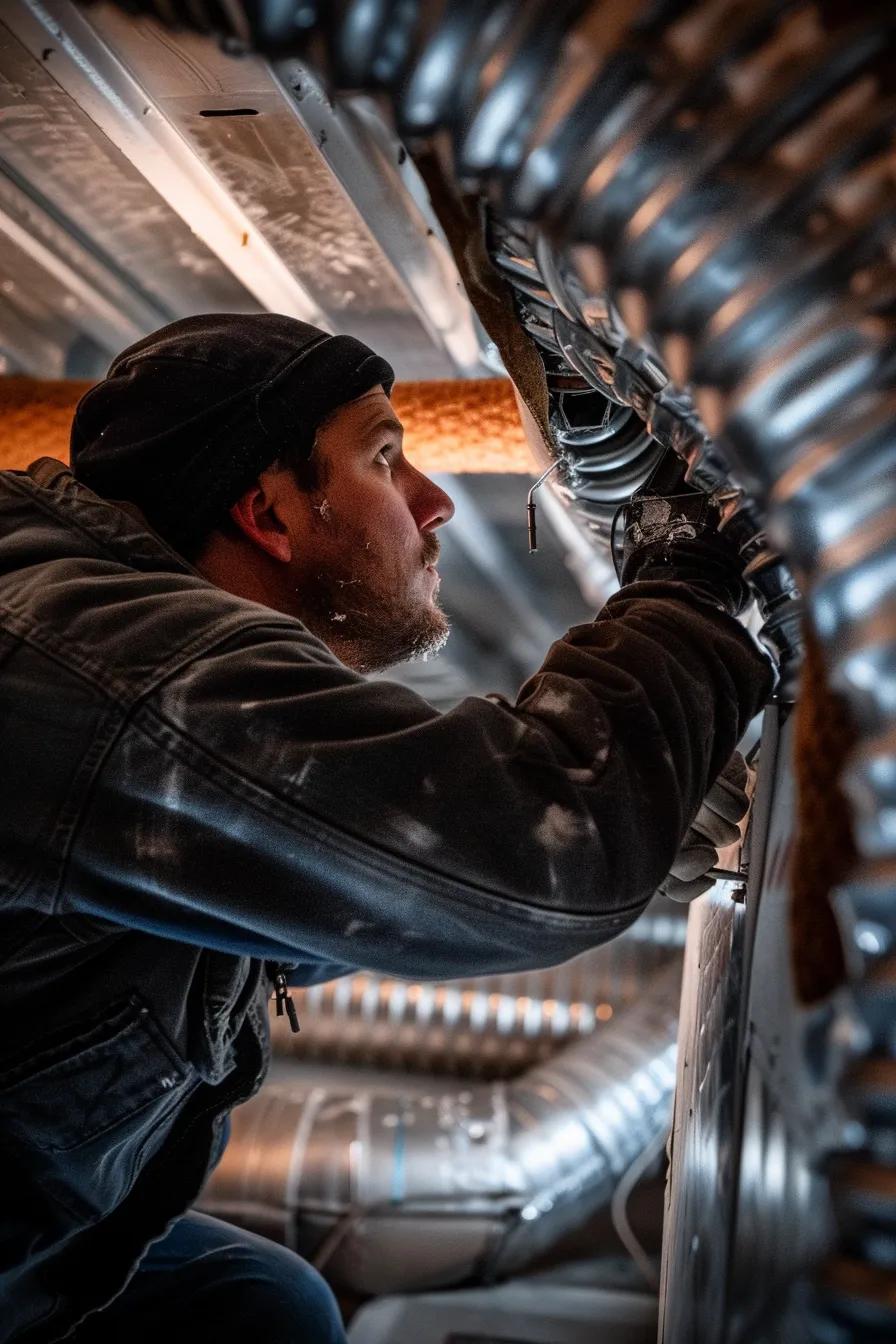
Technician using tools to clean ductwork, removing dust and allergens to improve home air

Removing built-up dust, mold and other irritants from ducts can lower the airborne load of allergy triggers. Many homeowners notice fewer symptoms after a professional clean, especially when combined with proper filtration and routine maintenance.

Which allergens and irritants are removed by professional cleaning?

A professional duct cleaning targets dust mites, pet dander, pollen, and other debris that settle in the system. Technicians also look for and address mold or moisture issues that could cause ongoing contamination.

Can cleaner ducts improve asthma and respiratory health?

Cleaner ducts reduce exposure to common triggers, which can help people with asthma or sensitive lungs experience fewer symptoms. While duct cleaning isn’t a cure, it’s a practical step toward better indoor air and fewer flare‑ups.

What signs show your air ducts need cleaning?

Watching for warning signs makes it easier to decide when to schedule a professional cleaning. Some indicators are obvious; others show up in your health or system performance.

What visible or smell clues point to dirty ducts?

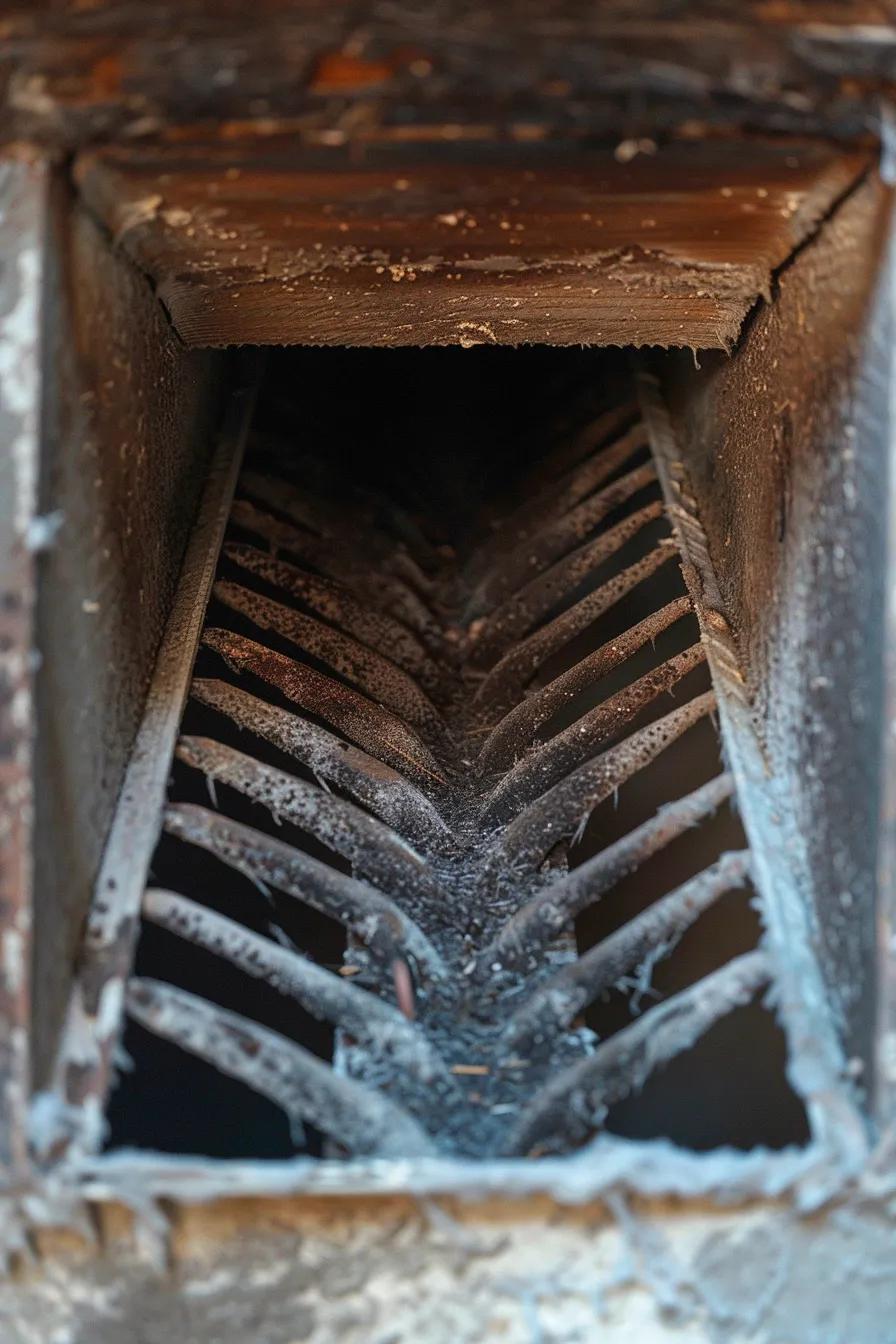
Look for dust around vents and registers, visible debris when you remove a vent cover, or a musty odor when the system runs. Any unusual smells or visible buildup are good reasons to have the ducts inspected.

How do health symptoms and HVAC performance signal the need for cleaning?

If household members have more frequent allergy attacks or respiratory irritation, or if your HVAC struggles to hold temperature or runs longer than usual, dirty ducts could be a factor. Cleaning can restore airflow and reduce strain on the system.

How does duct cleaning boost HVAC efficiency and save energy?

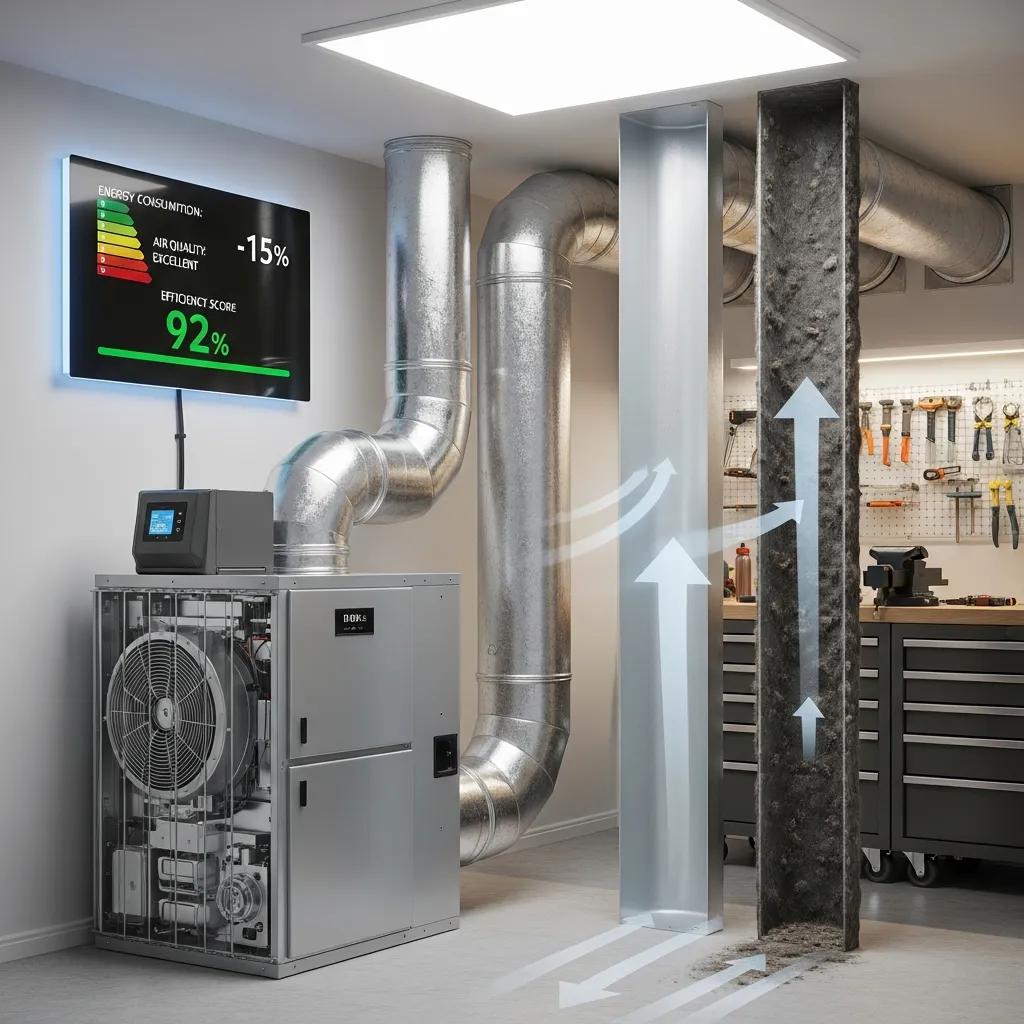
Clean ductwork and balanced airflow showing how maintenance improves HVAC efficiency

A cleaner duct system moves air more freely. That means your equipment doesn’t have to work as hard, which can lower energy use and help parts last longer.

How does removing debris improve airflow and lower energy bills?

Debris and buildup restrict airflow. When ducts are clear, the blower circulates air more efficiently and the system cycles less, which often translates to reduced energy consumption and more consistent comfort.

Additional studies examine how routine HVAC cleaning affects energy use and supply airflow across different climates.

HVAC cleaning: effects on energy use and ventilation performance

This study investigates the impacts of routine heating, ventilation, and air conditioning (HVAC) cleaning on energy consumption and ventilation performance before, during and after routine HVAC cleaning, across various climates.


Impacts of HVAC cleaning on energy consumption and supply airflow: A multi-climate evaluation, T Facchinetti, 2025

Can regular cleaning extend the life of my HVAC system?

Yes. Fewer particles in the system mean less wear on fans, coils and other components. Regular cleaning helps prevent breakdowns and keeps equipment running closer to its original efficiency, which can save money over time.

What does Young’s Heating, Cooling and Electric’s duct cleaning process include?

Young’s Heating, Cooling and Electric follows a thorough, step‑by‑step approach to ensure ducts are cleaned properly and safely. Our technicians inspect the system, remove contaminants with powerful vacuums and specialist tools, and address any issues that could cause recurring problems.

What advanced tools and techniques are used for a complete clean?

We use high‑capacity vacuums, targeted agitation tools and trained technicians to dislodge and remove dust, dander and debris from the entire duct run. The goal is a full-service clean that reduces airborne irritants and restores airflow without damaging ductwork.

How does Young’s guarantee quality and customer satisfaction?

Young’s Heating, Cooling and Electric stands behind our work with a 100 percent satisfaction guarantee. Our technicians are trained, background-checked and focused on delivering a reliable service that improves your indoor air and comfort.

Frequently Asked Questions

What are the long-term benefits of regular duct cleaning?

Regular duct cleaning can improve indoor air quality, reduce allergens and help your HVAC system run more efficiently. Over time that can mean fewer respiratory problems for occupants, lower energy use and fewer repair bills — a practical investment for home comfort and system health.

Can I clean my air ducts myself, or should I hire a professional?

DIY methods may handle visible dust near vents, but professionals have the right equipment and training to clean the full duct system safely and effectively. A pro can also spot issues like mold or damaged ducts that need repair.

How does duct cleaning affect energy efficiency?

By removing blockages that restrict airflow, duct cleaning helps your system move air with less effort. That improved airflow often reduces runtime and energy use, contributing to lower utility bills and steadier comfort.

Are there any health risks associated with dirty air ducts?

Yes. Dirty ducts can harbor allergens, dust and mold that increase the risk of respiratory irritation, allergy symptoms and asthma attacks. Keeping ducts clean reduces those risks and supports a healthier indoor environment.

What should I expect during a professional duct cleaning service?

A typical service begins with an inspection of your ductwork and HVAC components. Technicians use specialized vacuums and brushes to remove buildup, clean vents and registers, and then report findings and any recommendations for repairs or follow‑up.

How can I maintain clean air ducts between professional cleanings?

Change filters regularly (choose higher‑efficiency filters when appropriate), keep the house clean, control humidity, and fix leaks quickly. These habits reduce how fast debris accumulates and extend the time between professional cleanings.

Will duct cleaning really improve my home’s air?

Yes — when paired with proper filtration and routine maintenance, professional duct cleaning reduces dust and allergens circulating in the home and can meaningfully improve indoor air quality.

How often should air ducts be professionally cleaned?

For most homes, every 3 to 5 years is a reasonable guideline. Homes with pets, smokers, recent renovations, or residents with allergies may need cleaning more often.

Contaminant TypeSourceHealth Impact
DustEveryday household activityAllergies and respiratory irritation
MoldMoist or humid conditionsAllergic reactions and asthma triggers
PollenOutdoor air brought insideSeasonal allergies and breathing discomfort

Keeping ducts clean is a practical part of maintaining a healthy home. Understanding what builds up in ductwork and how professional cleaning helps lets you make smart choices for indoor air quality and long‑term comfort.

Conclusion

Clean air ducts help your family breathe easier and your HVAC system run better. Professional duct cleaning removes allergens, dust and contaminants, supporting improved respiratory comfort and potential energy savings. Ready to improve your home’s air? Schedule a duct cleaning with Young’s Heating, Cooling and Electric and experience the difference firsthand.

What to Look For in HVAC Duct Cleaning Service Providers

How to Choose an HVAC Duct Cleaning Company: Key Factors & Practical Tips

Technician performing HVAC duct cleaning with professional equipment in a residential setting

Picking the right HVAC duct cleaning provider matters for your home’s comfort and air quality. With so many companies to choose from, it helps to know what separates reliable pros from the rest. This guide walks you through the key qualifications, proven cleaning methods, how to vet customer experience, and the real benefits of professional duct cleaning. We’ll also point out common warning signs and why local expertise can make a difference. By the time you finish reading, you’ll have the confidence to choose a duct cleaning team that fits your needs.

What credentials and qualifications should you check in a duct cleaning company?

When you’re researching a duct cleaning company , confirming their credentials helps avoid surprises and ensures better results. Focus on licensing, insurance, and industry certifications—these show a company takes standards and safety seriously.

Why are licensing and insurance important for HVAC duct cleaning companies?

Licensing shows a company complies with local requirements and has the baseline training to work on HVAC systems. Insurance protects you if something goes wrong during the job. Together, they reduce your financial and legal risk and give you peace of mind when crews are in your home.

How does NADCA certification reflect professional duct cleaning standards?

NADCA (National Air Duct Cleaners Association) certification is widely recognized in the industry. Companies with NADCA-trained technicians follow tested procedures and safety practices. Hiring a NADCA-certified team increases the chance the job will be thorough, consistent, and done the right way.

Research supports that NADCA-style mechanical duct cleaning can positively affect indoor air quality and HVAC performance.

Residential Duct Cleaning: IAQ, Performance, and NADCA Methods

A nine-home field study examined mechanical air duct cleaning (ADC) and its effects on indoor air quality (IAQ) and system performance. ADC work was carried out under National Air Duct Cleaners Association (NADCA) methods. Surface sampling showed mechanical ADC removed adhered dust and dirt. System performance measurements suggested improvements: supply air rates rose between 4% and 32% in eight homes, and return air flow rates increased 14% and 38% in two homes.

Evaluating residential air duct cleaning and IAQ: results of a field study conducted in nine single family dwellings., 1997

Which cleaning methods and equipment indicate a high-quality HVAC duct cleaning job?

The tools and techniques a company uses directly affect how well your ducts are cleaned. Knowing what to expect makes it easier to spot reputable providers.

What professional equipment and techniques are used for effective duct cleaning?

High-powered vacuum and rotary brush tools used for duct cleaning in a workshop

Trusted duct cleaners use industrial vacuums, rotary brushes, air whips, and negative air pressure systems. These tools help dislodge and remove dust, debris, and contaminants while containing them so they don’t re-enter your home. Proper technique matters as much as the gear.

Studies on cleaning techniques show measurable reductions in airborne particles and bioaerosols when appropriate methods are used.

HVAC Duct Cleaning Methods & Bioaerosol Reduction

This study tested three commercial duct cleaning processes—Contact, Air Sweep, and Rotary Brush—to see how they affected airborne particulates and viable bioaerosols. Samples taken two days after cleaning were lower than the pre-cleaning levels, indicating the procedures reduced contamination to some extent. Homes cleaned with the Air Sweep method showed the greatest reductions in bioaerosol concentrations.


Effectiveness of HVAC duct cleaning procedures in improving indoor air quality, I Ahmad, 2001

Which cleaning practices should you avoid to prevent duct damage?

Some approaches can do more harm than good. Be cautious of companies that routinely spray chemical biocides or sealants unless there’s a clear, justified reason and the products are EPA-registered and applied correctly. Also watch out for unusually low prices—these can signal corner-cutting or improper methods that risk your ductwork and indoor air.

How can you assess transparency and customer experience when picking a duct cleaner?

Transparency and customer feedback are strong indicators of a trustworthy duct cleaning service. Ask clear questions and verify what you’re told.

What questions should you ask about pricing and estimates?

When getting estimates, make sure you understand the pricing and what’s included. Good questions to ask are:

  1. What is the total cost? Confirm the price includes everything and watch for hidden fees.
  2. What services are included? Make sure the quote covers all cleaning tasks you expect.
  3. Do you provide a written estimate? A written quote reduces misunderstandings and gives you something to compare.

How do you evaluate customer reviews and references for reliability?

Independent reviews and direct references can reveal how a company shows up on the job. Check multiple review sites, read recent comments, and ask the company for local references. Pay attention to details about professionalism, punctuality, and whether the work matched the estimate.

What are the benefits of professional HVAC duct cleaning for your home or business?

Professional duct cleaning can improve your indoor environment and help your system run better. Here’s what to expect when the job is done properly.

How does duct cleaning improve indoor air quality and health?

Removing built-up dust, allergens, and other contaminants from ductwork can lower the amount of particles circulating through your home. That can help occupants with allergies or sensitivities, though the degree of symptom relief depends on the overall indoor air situation and other sources of pollutants.

Reviews of the evidence note that cleaning’s effects on occupant symptoms vary, so a broader IAQ assessment is often needed to understand expected benefits.

Assessing Duct Cleanliness for IAQ & HVAC Performance

A review concluded there is insufficient evidence that duct cleaning alone reliably relieves occupants’ symptoms. The need for duct cleaning should be evaluated based on indoor air quality, potential health benefits, cost considerations, and HVAC performance.

Is ventilation duct cleaning useful?


A review of the scientific evidence, MS Zuraimi, 2010

In what ways does cleaning enhance HVAC efficiency and energy savings?

When ducts and system components are free of heavy buildup, air moves more easily and the system doesn’t have to work as hard. That can lead to better performance, potential energy savings, and a longer service life for your equipment—especially when cleaning is part of regular HVAC maintenance.

What red flags and scams should you watch for when hiring a duct cleaning company?

Knowing common warning signs makes it easier to avoid unreliable providers and scams.

How do you spot ‘too good to be true’ pricing and high-pressure sales tactics?

Extremely low prices often come with shortcuts. Also be wary of salespeople who push you to sign immediately or use scare tactics. Reputable companies give you time to review the estimate and answer your questions without pressure.

What signs of poor transparency suggest an untrustworthy provider?

Avoid companies with vague pricing, a refusal to provide written estimates, or evasive answers about their methods and credentials. A clear, honest provider will outline their process, explain costs, and be willing to discuss any concerns you have.

How does local expertise affect your choice of duct cleaning providers in Washington?

Local duct cleaning technician talking with a homeowner in a recognizable regional setting

Choosing a local duct cleaning team can be beneficial—local crews understand regional climate, common system types in the area, and local building rules that may affect the job.

Why select a provider familiar with Walla Walla, Kennewick, Pasco, and Richland?

Local providers know the common issues homes in these communities face and can offer solutions tuned to our climate and homes. They’re also easier to reach for follow-ups and are often invested in serving their neighbors well.

How do local reviews and case studies help your decision?

Local testimonials show how a company performed for nearby customers and whether they handled local challenges well. Look for case studies or reviews that describe results similar to the work you need.

CredentialImportanceImpact
LicensingEnsures compliance with state or local regulationsProtects homeowners from liability
InsuranceCovers damages during cleaningProvides peace of mind
NADCA CertificationAdheres to industry standardsGuarantees quality service

In short, check licensing, insurance, and certifications like NADCA when choosing a duct cleaner—these factors reduce risk and raise the likelihood of a quality outcome.

Cleaning MethodEquipment UsedBenefit
High-Powered VacuumRemoves dust and debrisEnsures thorough cleaning
Rotary BrushesScrubs duct surfacesEnhances cleaning effectiveness
Negative Air PressureContains contaminantsPrevents recontamination

This table shows how professional equipment and methods lead to better cleaning results and improved indoor air flow.

Choosing the right HVAC duct cleaning provider comes down to checking credentials, understanding methods, and reading real customer feedback. Follow these guidelines and you’ll be better positioned to pick a trustworthy team that delivers cleaner air and a more efficient system.

Frequently Asked Questions

What are the signs that my ducts need cleaning?

Look for visible dust or debris around vents, increased dust buildup in your rooms, or odd odors when the system runs. If allergy symptoms seem worse indoors or you notice reduced airflow, those are additional signs a duct inspection is a good idea. Regular checks help catch problems early.

How often should I have my ducts cleaned?

A common recommendation is every 3 to 5 years, but frequency depends on your situation. Homes with pets, smokers, or residents with allergies may need cleaning more often. Renovations or persistent HVAC performance issues are also solid reasons to schedule a cleaning sooner.

Can I clean my ducts myself, or should I hire a professional?

While you can tackle minor debris around vents yourself, professionals have the tools and training to clean ducts thoroughly without causing damage. A pro inspection can also reveal system issues you might miss, so for most homeowners a certified technician is the safer choice.

What should I expect during a professional duct cleaning service?

Technicians usually start with an inspection to assess the ductwork. They’ll use industrial vacuums, brushes, and air tools to dislodge and extract debris, and may clean related components like the blower and coils. After the job, expect a summary of work performed and any recommended follow-up maintenance.

Are there any health risks associated with duct cleaning?

When done correctly by qualified professionals, duct cleaning is generally safe and can improve indoor air quality. Risks arise from improper methods or unsafe chemicals. Always choose a reputable provider who follows industry guidelines and uses approved products—especially if you or family members have health concerns.

How can I find a reputable duct cleaning service in my area?

Start with recommendations from friends, family, or your HVAC contractor. Check independent online reviews and verify credentials like licensing and NADCA certification. Ask for local references and request a written estimate so you can compare offers confidently.

Conclusion

Choosing the right HVAC duct cleaning provider helps protect indoor air quality and keeps your system running efficiently. Verify credentials, ask about methods and equipment, and read customer feedback—then pick a local team that communicates clearly and stands behind their work. If you’re ready to improve your home’s air and comfort, start by comparing reputable providers in your area.

Enhance Home Comfort: Benefits of Regular Air Duct Cleaning

Why regular air duct cleaning boosts home comfort — improving indoor air quality and HVAC performance

Family relaxing in a clean, comfortable living room — benefits of air duct cleaning

Regular air duct cleaning helps keep your home healthy and comfortable. Over time, dust, pet dander, pollen and other particles build up inside ductwork — and that can lower indoor air quality and make your heating and cooling system work harder. This guide explains how routine duct cleaning improves the air you breathe, reduces strain on your HVAC, and can ease allergy and respiratory issues. We’ll cover what gets removed during cleaning, the impact on system efficiency and lifespan, health benefits, and when to call a pro.

How does air duct cleaning improve indoor air quality?

Technician removing dust and allergens from air ducts to improve indoor air quality

Cleaning ducts removes particles that would otherwise circulate through your home. When technicians clean ductwork, they reduce dust, pet hair and dander, mold spores, pollen and other debris — all things that can lower indoor air quality. Cleaner ducts mean fewer irritants floating in the air, which often helps households with allergy or breathing concerns feel more comfortable.

Research supports the idea that professional duct cleaning can reduce airborne particles and bioaerosols in homes.

HVAC duct cleaning effectiveness for residential indoor air quality

A study evaluated three commercial HVAC duct-cleaning methods to see how they affected airborne particle levels and viable bioaerosols in homes. Measurements taken two days after cleaning showed lower bioaerosol concentrations compared with pre-cleaning levels, suggesting these sanitation methods can be effective to some extent.

Effectiveness of HVAC duct cleaning procedures in improving indoor air quality, I. Ahmad, 2001

What contaminants are removed during air duct cleaning?

Typical contaminants removed during a professional duct cleaning include:

  1. Dust and dirt: Household dust collects in ductwork and carries allergens.
  2. Mold spores: Mold can develop in damp sections of ducts and release spores into your airflow.
  3. Pollen: Outdoor pollen can enter and settle in ducts, especially during allergy season.

Removing these materials can improve air quality and lower the chance of irritation or respiratory symptoms in the home.

Additional testing shows in-duct systems can remove airborne particles in real homes.

In-duct air cleaning for residential aerosol removal

Tests in a residential setting examined how well in-duct air-cleaning devices remove particles. The results offer insight into whole-house particle removal and clean air delivery rates for in-duct and portable ventilation systems.

Whole house particle removal and clean air delivery rates for in-duct and portable ventilation systems, 2008

How does cleaner air reduce allergies and respiratory issues?

Cleaner air means fewer triggers for allergy and asthma sufferers. By reducing dust, mold spores and pollen in your ductwork, you lower the number of airborne irritants in your home. Many homeowners notice fewer allergy symptoms and easier breathing after a thorough duct cleaning — especially those with asthma or other respiratory sensitivities.

In what ways does air duct cleaning enhance HVAC system efficiency?

Air duct cleaning can help your HVAC system run more efficiently. When ducts are clogged with debris, airflow is restricted and the system must work harder to heat or cool your home. That extra effort can raise energy use and push up utility costs.

How does improved airflow lower energy consumption?

HVAC system with improved airflow and energy savings after duct cleaning

When ducts are clear, air moves freely and your system doesn’t have to run as long to reach the set temperature. That can reduce energy use and, in many cases, lower monthly bills. Results vary by home and system, but better airflow usually helps efficiency.

What impact does duct cleaning have on HVAC system lifespan?

Keeping ducts clean can reduce strain on fans and components, which may help prevent premature wear. Regular maintenance, including duct cleaning when needed, can save on repair costs and help your HVAC system deliver reliable service for longer.

What are the health benefits of maintaining clean air ducts?

Clean ducts contribute to healthier indoor air and a more comfortable home. By lowering the amount of airborne allergens and pollutants, duct cleaning supports overall respiratory comfort for people who live there.

How does duct cleaning alleviate allergy and asthma symptoms?

Duct cleaning removes many of the airborne particles that trigger allergic reactions and asthma attacks. Fewer irritants in the air often means fewer symptoms — a clear benefit for families with allergy sufferers or sensitive members.

Medical literature highlights the benefits of reducing airborne allergens for asthma prevention and control.

Allergen avoidance for asthma prevention and control

Evidence shows that reducing exposure to inhaled allergens can help prevent and control asthma symptoms. Effective allergen avoidance at home, along with attention to other exposures and patient education, plays a key role in managing the condition.

Prevention of allergic asthma with allergen avoidance measures and the role of exposome, 2020

Can regular cleaning prevent mold growth in HVAC systems?

Regular duct cleaning can reduce the chance of mold taking hold — especially when paired with good moisture control. Mold needs damp, dark conditions to grow; cleaning removes the organic material mold feeds on, and addressing leaks or humidity issues removes the environment it needs to thrive.

How does air duct cleaning contribute to a more comfortable home environment?

Clean ductwork helps maintain steady airflow and consistent temperatures, so rooms heat and cool more evenly. Combined with better indoor air quality, that adds up to a home that feels fresher and more comfortable.

In what ways does cleaning reduce household dust and odors?

Removing built-up dust and debris from ducts prevents those particles from circulating and settling on furniture and surfaces. Cleaning also removes sources of musty or stale smells, leaving your home smelling cleaner and feeling fresher.

How does improved air quality enhance overall home comfort?

When the air inside your home is cleaner, people breathe more easily and feel more relaxed. That matters most for families with children, older adults, or anyone with health concerns. Regular duct maintenance is a simple, proactive step toward a healthier living space.

When should homeowners schedule professional air duct cleaning?

Be proactive about duct cleaning to keep indoor air quality and HVAC performance at their best. Watch for signs that it’s time to call a professional.

What are the signs that indicate dirty air ducts?

Common signs your ducts may need cleaning include:

  • Visible dust: Noticeable buildup around vents and registers.
  • Unpleasant odors: Musty or stale smells coming from the system.
  • Increased allergies: Worsening allergy symptoms among people in the home.

If you see these signs, scheduling a professional inspection and cleaning is a good next step.

How often should air ducts be cleaned according to experts?

Most experts recommend cleaning ducts every 3 to 5 years, though homes with pets, smokers, renovation dust, or allergy sufferers may need it more often. Factors like household size, local environment and system condition will affect timing.

Why choose Young’s Heating, Cooling and Electric for your air duct cleaning needs?

Picking a dependable local company matters. Young’s Heating, Cooling and Electric offers experienced, customer-focused service tailored to homeowners in our region.

What certifications and guarantees does Young’s provide?

Young’s is a family-owned business serving the area since 2004. Our technicians are NATE-certified and trained to industry standards. We stand behind our work with service guarantees so you get reliable results and peace of mind.

How does local expertise benefit homeowners in Washington state?

We know the climate and common HVAC challenges in Walla Walla, Kennewick, Pasco and Richland, WA. That local knowledge helps us recommend solutions that fit regional conditions and keep systems running efficiently year-round.

Contaminant TypeSourceHealth Impact
DustIndoor activitiesAllergies, respiratory issues
MoldMoisture in ductsAsthma, allergic reactions
PollenSeasonal changesAllergies, respiratory discomfort

Keeping ducts clean is a straightforward way to support better indoor air quality and a more efficient HVAC system. Understanding the benefits helps you make informed maintenance choices to protect comfort, health and your home’s systems.

Frequently Asked Questions

What is the process of professional air duct cleaning?

A professional cleaning usually starts with an inspection of your ductwork. Technicians use specialized vacuums, brushes and other tools to remove dust and debris from ducts, registers and grilles. After cleaning, they check the system to make sure airflow is restored and everything is sealed properly.

Are there any risks associated with air duct cleaning?

When done correctly, duct cleaning is safe. Risks arise if unqualified contractors use improper methods that can damage ducts or push contaminants into the living space. Always hire experienced, certified technicians who follow industry standards.

How can homeowners prepare for air duct cleaning?

Clear the area around vents and registers so technicians can work easily, and move fragile items away from work spaces. Tell the crew about any concerns—like mold history or allergy issues—so they can address them during the service. Expect a few hours of work depending on system size.

What should homeowners expect after air duct cleaning?

After cleaning, you’ll likely notice less dust on surfaces and fewer airborne irritants. Your HVAC may run more quietly and with improved airflow. Some settled dust may reappear briefly as the system cycles; regular maintenance helps sustain the benefits.

Can air duct cleaning help with pet dander issues?

Yes. Pet dander, hair and related dust often collect in ducts. Professional cleaning removes those particles and can reduce allergen levels in the home — especially helpful for households with pet-sensitive members.

Is air duct cleaning necessary for new homes?

New construction and recent renovations can leave dust and debris in ductwork. Having ducts inspected and cleaned after work is a smart step to ensure good indoor air quality from move-in day. Ongoing maintenance is recommended to keep systems performing well.

Conclusion

Regular air duct cleaning can improve indoor air quality, ease allergy and asthma triggers, and help your HVAC system run more efficiently. For many homeowners, it’s a practical maintenance step that supports comfort, health and system longevity. If you’re noticing dust, odors or increased allergy symptoms, consider scheduling a professional duct cleaning to refresh your home’s air and performance.

Optimize Performance: How Often to Clean Your HVAC Ducts

How Often Should You Clean Your HVAC Ducts to Keep Your System Performing in 2024

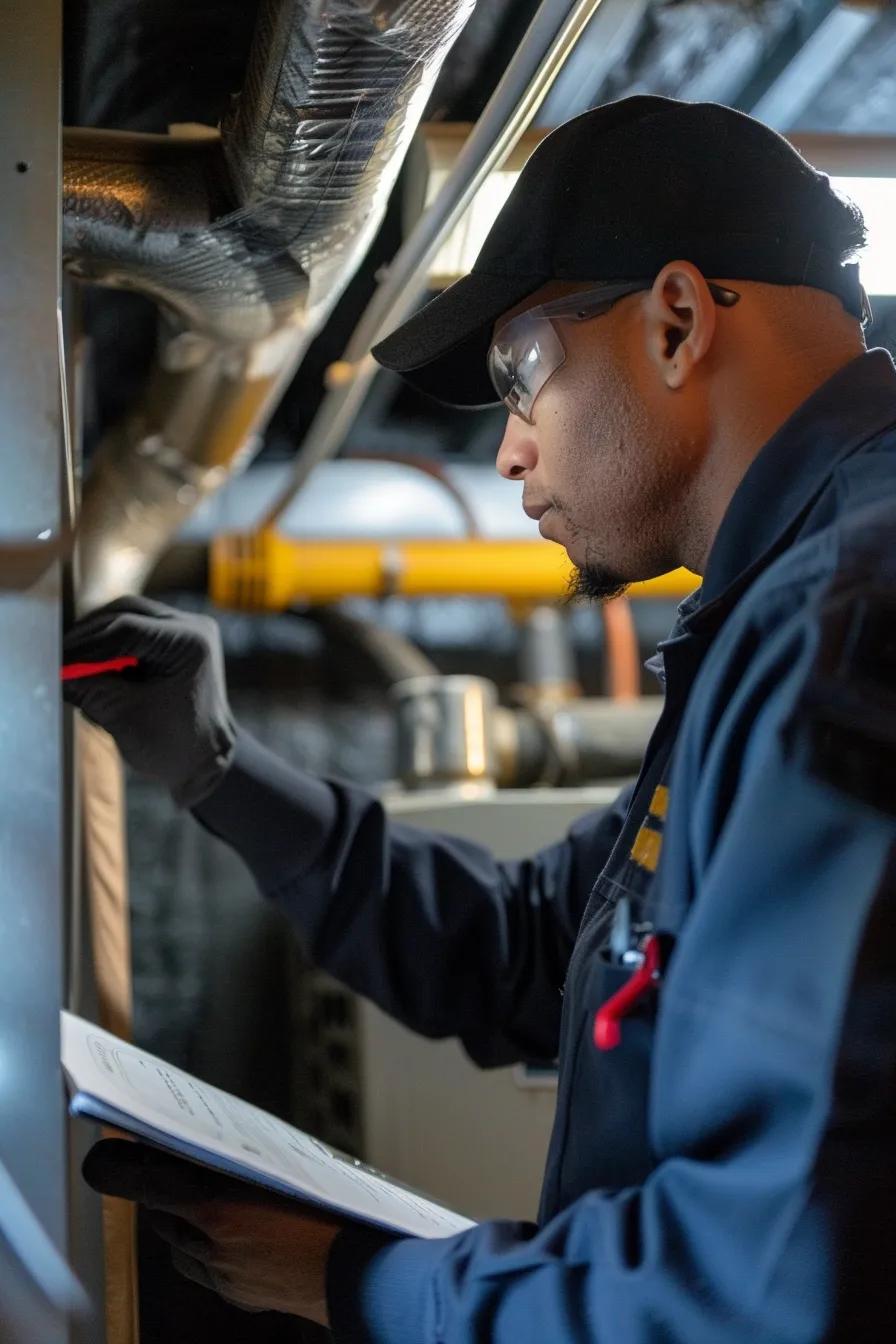
Technician inspecting freshly cleaned ductwork in a modern home

Clean ductwork matters — for comfort, efficiency, and the air your family breathes. This guide walks you through how often to clean HVAC ducts, why it helps both health and system performance, and the signs that mean it’s time for professional service. Many homeowners skip duct cleaning until problems show up; knowing the right intervals and red flags helps you avoid bigger issues down the road. We’ll cover the reasons to clean ducts, expert frequency recommendations, symptoms to watch for, and how Young’s Heating, Cooling and Electric can help.

Why regular HVAC duct cleaning matters for your home’s health and system performance

Over time, dust, pollen, pet dander, and other debris build up inside ducts. That buildup can lower indoor air quality and make your HVAC system work harder. Regular cleaning reduces airborne irritants that can trigger allergies or breathing problems and helps the system move air more efficiently — which can mean fewer breakdowns and lower energy bills.

How duct cleaning helps indoor air quality and reduces allergens

Family enjoying cleaner indoor air in a bright home

Removing dust, mold spores, and settled allergens from ducts lowers the particles your HVAC system circulates. Cleaner ducts mean less pet dander, pollen, and dust mites in the air — which can reduce symptoms for allergy sufferers and make indoor air healthier for everyone in the household.

Research supports the benefits of professional duct cleaning for improving the air you breathe.

HVAC Duct Cleaning: Improving Indoor Air Quality & Reducing Bioaerosols

This study evaluated three commercial HVAC duct cleaning methods to see how well they reduced airborne particulate matter and viable bioaerosols. Measurements taken two days after cleaning showed lower bioaerosol levels than before cleaning, suggesting the procedures were at least partially effective.


Effectiveness of HVAC duct cleaning procedures in improving indoor air quality, I Ahmad, 2001

How clean ducts improve energy efficiency and equipment life

When ducts are clogged, the system must push harder to move air — that increases energy use and can speed up wear on components. Keeping ducts clean improves airflow, which can lower energy costs and help your heating and cooling equipment last longer. A proactive cleaning schedule is often cheaper than replacing worn parts or paying for a major repair later.

Field evidence shows mechanical duct cleaning can improve both air quality and system performance.

Residential Duct Cleaning: Impact on IAQ & HVAC System Performance

A nine-home field study looked at mechanical air duct cleaning (ADC) effects on indoor air quality and system performance. Surface samples showed ADC removed adhered dust and dirt. System performance measurements suggested possible benefits: supply air rates rose 4–32% in eight houses, and return air flow increased 14–38% in two homes.

Evaluating residential air duct cleaning and IAQ: results of a field study conducted in nine single family dwellings., 1997

How often should you clean HVAC ducts? NADCA and expert guidance

The National Air Duct Cleaners Association (NADCA) generally recommends cleaning ducts every three to five years. That’s a solid baseline, but your home’s needs might require more frequent service. Knowing the guidelines helps you keep indoor air healthy and your system running well.

NADCA’s recommended interval for duct cleaning

NADCA suggests most homeowners plan on a cleaning every three to five years. That timeframe removes built-up dust and allergens before they become a bigger problem. If you have factors like pets, smokers, or occupants with allergies, consider a shorter interval to keep air quality at its best.

What raises the need for more frequent duct cleaning?

  1. Pets: Homes with pets collect more hair and dander, which clogs ducts faster.
  2. Allergy sufferers: If someone in your home has allergies or asthma, more regular cleanings can help.
  3. Recent renovations: Construction dust can get into ducts — clean after major projects.
  4. Visible mold: Any mold inside the ductwork or on HVAC parts should be addressed promptly.
  5. Excessive dust or debris: If dust blows from vents or you see debris inside registers, it’s time to act.

Signs your air ducts need professional cleaning

Watch for clear, practical signs that indicate it’s time for a pro to inspect and clean your ducts. Catching problems early protects air quality and system health.

Visible dust, musty smells, and mold — what they mean

Dust buildup around vents, a persistent musty odor, or visible mold inside registers or ducts are red flags. These issues can worsen indoor air quality and should be evaluated by a professional to determine the right remediation steps.

Do higher energy bills or allergy flare-ups point to duct problems?

If your energy costs spike without another explanation or household allergies get worse, restricted airflow from dirty ducts might be the cause. Cleaning ducts can restore airflow, improve comfort, and sometimes reduce energy use and allergy symptoms.

How Young’s Heating, Cooling and Electric approaches professional duct cleaning

Young’s Heating, Cooling and Electric uses industry-grade tools and experienced technicians to clean ducts thoroughly and safely. Our team is NATE-certified and trained to deliver reliable results with minimal disruption to your home.

Tools and techniques we use for a complete duct cleaning

We use high-powered vacuums, specialty brushes, and targeted agitation tools to remove lodged dust and debris. Video inspection lets us assess ducts before and after cleaning so you can see the improvement and be confident the job is done right.

Why NATE-certified technicians matter for safety and performance

NATE-certified technicians follow recognized best practices for duct cleaning and HVAC care. That certification means our techs know how to protect your equipment, keep the job safe, and leave your home clean while maximizing the benefits of duct cleaning.

Benefits and long-term value of professional duct cleaning

Homeowner checking energy savings after professional duct cleaning

How duct cleaning supports a healthier home

Regular duct cleaning reduces the amount of allergens and pollutants circulating in your home, helping people breathe easier and reducing irritation from dust and particles. It’s a practical step toward a healthier indoor environment.

What energy and maintenance advantages should you expect?

Cleaner ducts help your HVAC system move air with less effort. That can translate to lower energy bills and less strain on components — potentially extending equipment life and reducing repair costs over time.

Analysis also shows routine HVAC cleaning can positively affect energy use and ventilation performance.

HVAC Cleaning: Effects on Energy Consumption & Ventilation Performance

This paper analyzes the effects of routine HVAC cleaning on energy consumption and ventilation performance across different climates, looking at conditions before, during, and after cleaning.


Impacts of HVAC cleaning on energy consumption and supply airflow: A multi-climate evaluation, T Facchinetti, 2025

How to schedule professional duct cleaning with Young’s in the Tri-Cities

Booking duct cleaning with Young’s Heating, Cooling and Electric is straightforward. We serve homeowners across the Tri-Cities and make scheduling simple so your home stays comfortable and healthy.

Which areas do we serve?

We proudly serve Walla Walla, Kennewick, Pasco, Richland, and nearby communities. Wherever you are in the Tri-Cities area, we aim to deliver prompt, friendly service.

How to book your duct cleaning appointment

Give us a call at (509) 525-4328 to set up a convenient time. Our team will walk you through options and answer any questions so you know exactly what to expect.

Service AreaCoverageContact Number
Walla WallaYes(509) 525-4328
KennewickYes(509) 525-4328
PascoYes(509) 525-4328
RichlandYes(509) 525-4328

Keeping your ducts clean is a key part of home comfort and system upkeep. Follow recommended cleaning intervals, watch for warning signs, and call Young’s Heating, Cooling and Electric when you’re ready for professional, reliable service.

Frequently Asked Questions

What health problems can come from not cleaning HVAC ducts?

Skipping regular duct cleaning can let dust, allergens, and mold build up and circulate through your home. That can worsen allergies, make asthma or other respiratory conditions worse, and generally lower indoor air quality. Regular cleaning reduces those irritants and helps protect sensitive household members.

How can I tell if my ducts are clean?

Look for low dust buildup around vents, no persistent musty smells, and fewer dust clouds when the system starts. If dust reappears quickly after cleaning or you still smell odors, a professional inspection can confirm whether the ducts need further attention.

Are there DIY ways to keep ducts cleaner between professional services?

Yes. Change your air filters regularly (consider higher-efficiency filters), vacuum vents and registers, and keep living areas dust-free. These steps help limit debris entering the duct system but don’t replace a professional cleaning when it’s needed.

What happens during a professional duct cleaning?

A typical service begins with a video inspection, then cleaning using high-powered vacuums and specialized tools to dislodge and remove dust and debris. Technicians often clean related components like the blower and coils. The job usually takes a few hours, depending on system size.

How should I prepare my home for a duct cleaning appointment?

Clear the area around vents and registers so technicians can work easily. Move furniture that blocks access and let the crew know about any concerns, like visible mold or lingering odors. Securing pets in another room helps the visit go smoothly.

What long-term value does regular duct cleaning provide?

Regular cleaning improves indoor air quality, can lower energy costs by improving airflow, and reduces wear on your HVAC system — potentially extending equipment life and cutting down on repairs over time.

Conclusion

Regular HVAC duct cleaning supports better indoor air quality, improved system performance, and long-term value for your home. Follow recommended intervals, watch for warning signs, and rely on Young’s Heating, Cooling and Electric for professional, trustworthy duct cleaning when you need it. Call (509) 525-4328 to schedule service and keep your home comfortable and healthy.

Boost HVAC Efficiency with Expert Duct Cleaning Tips

How Duct Cleaning Boosts HVAC Efficiency: Improve Performance, Save Energy, and Breathe Easier

Technician inspecting clean HVAC ducts, highlighting the importance of duct cleaning for efficiency

Duct cleaning is a preventative service that can help your HVAC system run better in the right situations. Clearing dust, debris and allergens from the ductwork improves airflow and can make your home feel more comfortable while cutting down on airborne irritants. Below we explain how duct cleaning affects system efficiency, what savings you might realistically expect, and the indoor air quality benefits. Many homeowners don’t realize that heavy dust in ducts can drive up energy costs and worsen allergy symptoms. Regular, targeted duct cleaning helps keep systems running smoothly and reduces those risks. We’ll cover what dirty ducts do to performance, what to expect from professional cleaning, and when it’s time to schedule a service.

Why Does Dirty Ductwork Impact HVAC Efficiency?

When dust and debris build up inside ductwork, airflow can become restricted. That restriction forces the system to work harder to move air, which increases energy use and can raise utility bills. Over time, accumulated dirt also puts extra stress on components — shortening their life and increasing the chance of repairs or replacements.

How Does Restricted Airflow Reduce HVAC Performance?

Restricted airflow happens when particulates partially block the duct passages. The blower and compressor must run longer or harder to reach set temperatures, which wastes energy and can create hot or cold spots around the house. Clean ducts let air circulate as designed, so your system meets comfort targets more reliably and with less effort.

What Strain Does Dust Buildup Place on HVAC Components?

Dust can settle on blower motors, coils and filters, reducing efficiency and increasing heat buildup. Clogged components run hotter and wear faster, which can lead to breakdowns. Keeping ducts and related parts clean helps those components work as intended and can reduce premature failures.

What Are the Energy Savings from Professional Duct Cleaning?

Home with clean air ducts and energy meter showing savings, illustrating benefits of duct cleaning

Professional duct cleaning can produce energy savings, especially when ducts are visibly dirty or obstructed. Clean ducts let your system move air more efficiently, which can lower run time and reduce energy use. That said, the amount saved varies widely based on how contaminated the ducts were and the overall condition of the HVAC system.

How Much Can You Save on Utility Bills with Clean Air Ducts?

Some homeowners see a drop in utility costs after a thorough cleaning, particularly if their ducts were heavily contaminated. The U.S. Environmental Protection Agency (EPA) notes that energy savings aren’t guaranteed and, when present, are often modest — commonly under 10%. Duct cleaning is best viewed as one part of regular HVAC maintenance rather than a stand-alone energy fix.

What Does Research Say About HVAC Energy Efficiency Improvements?

Research shows that clean ducts help an HVAC system perform closer to its designed capacity, but the overall energy gains tend to be limited unless ducts were severely clogged. Homeowners who include duct cleaning as part of scheduled maintenance often see steady system performance and the added benefit of better indoor air quality.

How Does Duct Cleaning Improve HVAC System Performance and Longevity?

Removing contaminants from ductwork supports smoother system operation and can reduce the workload on key components. While cleaning alone won’t guarantee a longer equipment lifespan, it does remove a common source of stress on the system and helps maintain comfort and efficiency.

How Does Cleaning Reduce Wear and Tear on HVAC Equipment?

Keeping dust and debris out of blower motors, coils and other parts prevents excess friction and heat buildup. Clean components run cooler and more reliably, which lowers the risk of early failure and reduces repair frequency — a practical way to protect your investment.

What Role Does Optimized Airflow Play in Consistent Home Comfort?

Balanced airflow is essential for steady temperatures and fewer hot or cold spots. When ducts are clear, air reaches every room more evenly, improving comfort and reducing how long the system needs to run to maintain setpoints.

What Are the Indoor Air Quality Benefits of Duct Cleaning?

Family in a bright living room with clean air ducts, showcasing the indoor air quality benefits of duct cleaning

Duct cleaning removes trapped dust, allergens and other particles that otherwise circulate through your home. This is particularly helpful for households with allergy sufferers, young children, or older adults who are more sensitive to poor air quality.

How Does Duct Cleaning Remove Allergens and Pollutants?

Professional cleaning targets dust mites, pet dander, pollen and other common contaminants lodged in the ductwork. Removing those deposits reduces what’s blown into living spaces and can ease allergy symptoms for sensitive family members.

How Does Cleaning Prevent Mold Growth and Odors in Ducts?

Mold can take hold where moisture and organic matter collect. A proper cleaning removes the materials mold feeds on and helps eliminate musty smells. That said, cleaning won’t cure an active moisture problem — addressing leaks, condensation or poor drainage is also necessary to keep mold from returning.

When Should You Schedule Professional Duct Cleaning?

Knowing the right time to schedule duct cleaning helps protect efficiency and indoor air quality. Watch for clear signs that cleaning is needed, and consider factors like pets, occupants with allergies, and local dust conditions when planning maintenance.

What Are the Common Signs That Your Air Ducts Need Cleaning?

Look for these indicators that your ducts may need attention:

  1. Increased Allergies: If family members notice worsening allergy or asthma symptoms, the ductwork could be a contributor.
  2. Dust Accumulation: Persistent dust on surfaces shortly after cleaning may mean dust is circulating from the ducts.
  3. Unpleasant Odors: Persistent musty or stale smells coming from vents can signal mold or debris buildup.

How Often Should Homeowners Consider Duct Cleaning for Efficiency?

As a general guideline, consider duct cleaning every 3–5 years, though the right interval depends on household size, pets, local air quality and visible issues. The EPA recommends cleaning when there’s visible mold growth, pest infestation, or substantial dust and debris — otherwise, clean as needed based on conditions.

Why Choose Young’s Heating, Cooling and Electric for Your Duct Cleaning Needs?

Picking a dependable provider matters. Young’s Heating, Cooling and Electric brings local experience, trained technicians and a focus on clear communication so you know the job will be done right.

What Makes Young’s Technicians Qualified and Trusted?

Our technicians are trained in industry-recommended methods and use the right tools for thorough duct cleaning. We take care to protect your home, explain what we find, and give straightforward recommendations so you can make informed decisions.

How Do Financing Options and Customer Guarantees Enhance Service Value?

Young’s offers flexible financing and customer satisfaction guarantees to make maintenance accessible and risk-free. Those options let homeowners tackle needed work without a large up-front cost while knowing the job meets our quality standards.

Frequently Asked Questions

What are the potential health benefits of duct cleaning?

Cleaning ducts can reduce the amount of airborne dust, pet dander and mold spores circulating through your home. For people with allergies or respiratory conditions, that can mean fewer symptoms and a more comfortable living environment. It’s especially helpful in homes with young children, older adults, or anyone sensitive to indoor air quality.

Can duct cleaning help with energy efficiency in older HVAC systems?

Yes — older systems that have collected significant dust or debris can benefit from duct cleaning. Clearing the ducts can improve airflow, reduce strain on the system and sometimes lower energy use. Because older equipment may have other efficiency issues, duct cleaning is best done alongside a full system check.

Is DIY duct cleaning effective compared to professional services?

DIY cleaning can remove some surface dust, but it usually doesn’t reach the full duct network or address hidden problems like mold or pest contamination. Professionals use specialized equipment to clean thoroughly and safely, making a hired service the better choice for consistent results.

How does duct cleaning impact HVAC system noise levels?

Dirty ducts and clogged components can increase noise by forcing the system to run harder. After cleaning, many homeowners notice a reduction in operational sounds because airflow is smoother and components aren’t under as much strain.

What should homeowners look for when choosing a duct cleaning service?

Choose a company with solid reviews, clear pricing and industry-standard practices. Ask about certifications, insurance, and a written estimate. A reputable provider will explain their process, show you findings if requested, and recommend follow-up steps only when truly needed.

Are there any risks associated with duct cleaning?

When done improperly, duct cleaning can damage ductwork or dislodge dust into the home. Introducing moisture during cleaning can also create a mold risk. To avoid these issues, hire a qualified professional who follows best practices and uses proper equipment.

Conclusion

Regular duct cleaning can support HVAC efficiency, improve indoor air quality and help avoid unnecessary wear on your system. While it isn’t a guaranteed energy cure-all, it’s a valuable part of a balanced maintenance plan that keeps your home comfortable and healthy. Ready to see how Young’s Heating, Cooling and Electric can help? Contact us to schedule an inspection and learn the right service plan for your home.