Essential Solutions for Common Refrigeration Repair Issues
Common Refrigeration Repair Issues and Solutions for Businesses: Diagnosing and Fixing Commercial Refrigeration Problems
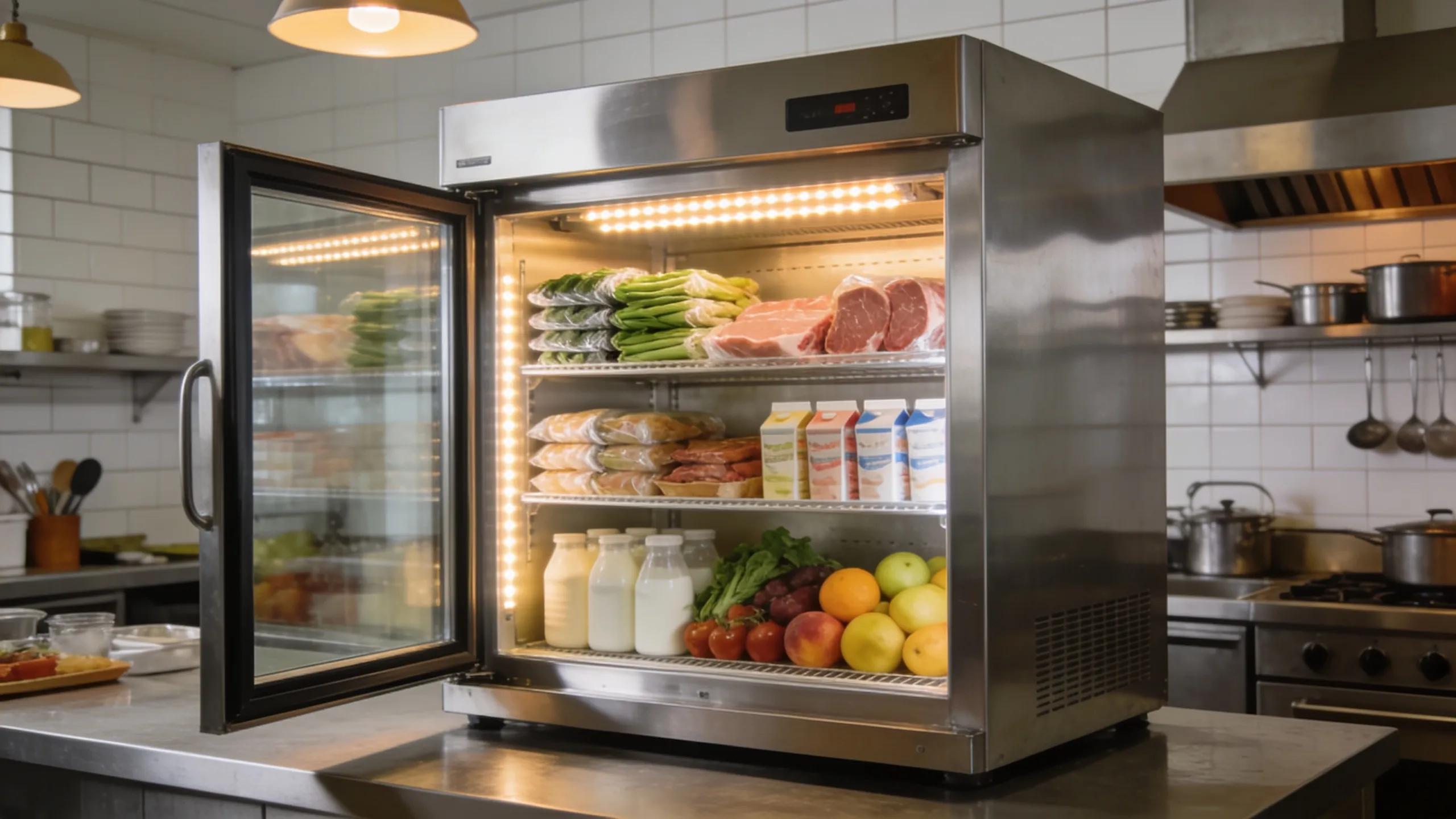
Effective refrigeration is essential for businesses that rely on cold storage—restaurants, grocery stores, and warehouses. Faults can cause food spoilage and higher operating costs. This article explains common repair issues and practical fixes to help you diagnose and resolve problems quickly. We cover compressor faults, refrigerant leaks, thermostat failures, coil issues, and preventative maintenance. Knowing these issues helps you act faster and keep systems running.
What Are the Most Frequent Refrigeration Compressor Problems?
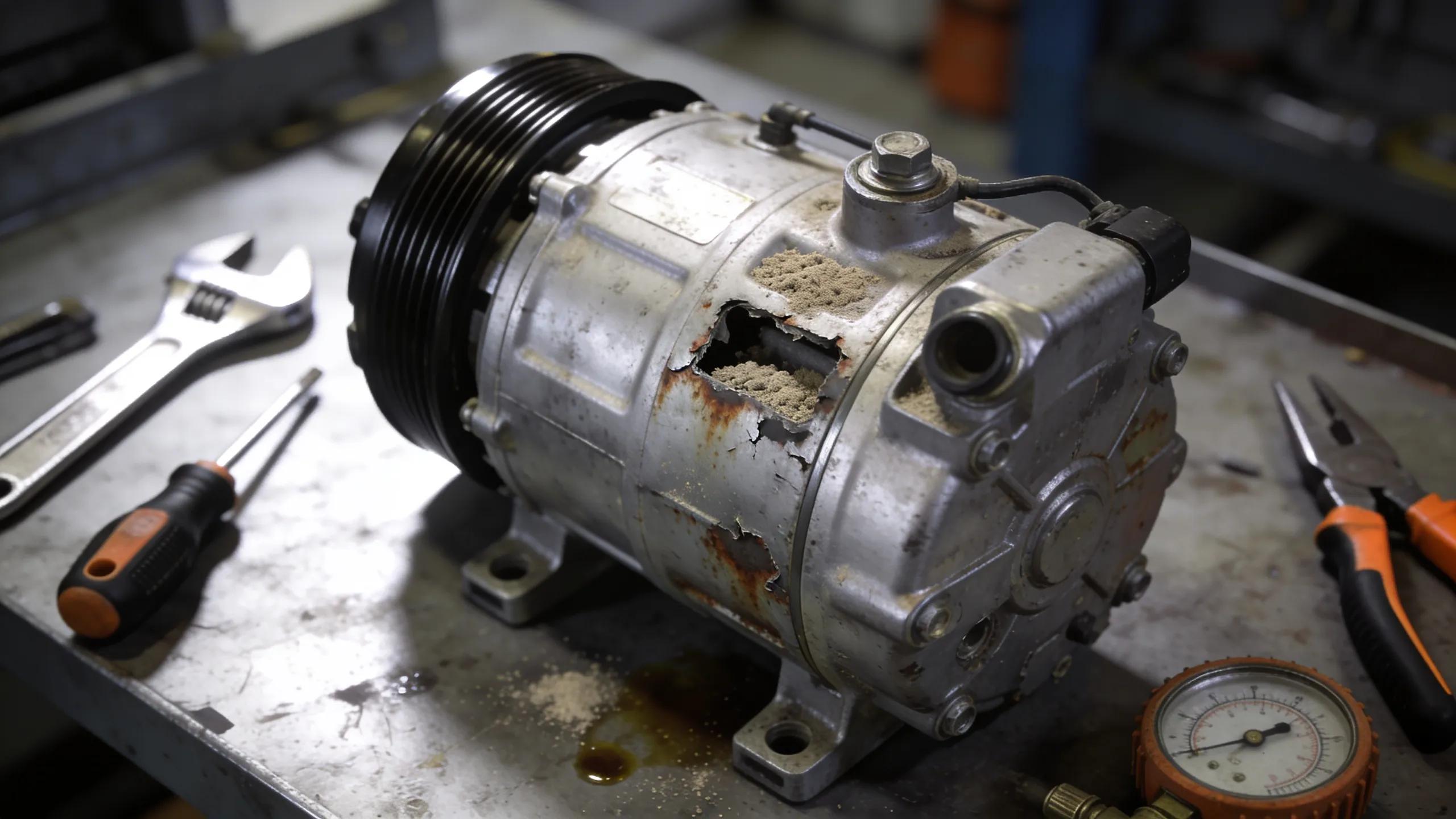
Compressors keep commercial systems at the right temperature. When they fail, efficiency drops, energy use rises and systems can stop working. Typical signs include odd noises, uneven cooling and frequent cycling. Spotting these signs and applying the right repairs can extend the unit’s service life.
How to Identify Compressor Failure Symptoms in Commercial Refrigeration
Spotting compressor failure early reduces downtime and costly fixes. Key symptoms include:
- Loud Noises: Unusual sounds such as clanking, grinding, or hissing can signal internal damage or a malfunction.
- Inconsistent Temperatures: Fluctuations in temperature often mean that the compressor is not functioning correctly, potentially affecting product quality.
- Increased Energy Bills: A rise in electricity usage may indicate that the compressor is working harder than usual to maintain the desired temperature.
Early detection lets you repair or replace parts before operations suffer.
What Repair Methods Are Available for Compressor Issues?
Repair options depend on the fault. Common approaches include:
- Compressor Replacement: If the compressor is beyond repair, complete replacement may be necessary. This can be costly, but it ensures the system operates efficiently.
- Recharging Refrigerant: Sometimes, low refrigerant levels can mimic compressor problems. Recharging the system often resolves the issue without necessitating full compressor replacement.
- Electrical Repairs: Checking and repairing electrical connections can sometimes solve compressor issues without major replacements.
Work with qualified HVAC technicians to choose the most cost-effective solution for your system.
How Can Refrigerant Leak Detection and Repair Save Your Business?
Refrigerant leaks reduce cooling efficiency, raise costs and pose environmental risks. Prompt detection and repair protect performance and limit losses.
What Are Common Causes and Signs of Refrigerant Leaks?
Refrigerant leaks can stem from various causes:
- Physical Damage: Accidental impacts or punctures can lead to leaks, especially in older systems with wear and tear.
- Faulty Components: Aging components such as gaskets and seals may deteriorate over time, allowing refrigerant to escape.
- Improper Installation: Leaks might occur if systems are not installed correctly, resulting in joint failures.
Signs like frost buildup or hissing indicate leaks and call for immediate attention.
Which Techniques Are Used for Refrigerant Leak Repair?
Common repair techniques include:
- Sealants: Specialized sealants can be used to fix small leaks temporarily while waiting for more permanent methods.
- Soldering and Welding: For larger leaks, professionals may use soldering or welding techniques to seal leaks in piping.
- Replacement of Faulty Parts: Ultimately, if the leaks are detected in components such as evaporators or coils, replacement may be the only long-term solution.
Address leaks quickly to restore efficiency and avoid larger repairs.
Why Is Thermostat and Control System Troubleshooting Crucial?
Thermostats and controls regulate temperature and efficiency. Quick troubleshooting keeps units running smoothly.
How to Diagnose Thermostat Malfunctions in Commercial Refrigeration?
To diagnose thermostat faults, check for:
- Incorrect Settings: Ensure the thermostat is set to the desired temperature.
- Broken Connections: Inspect wiring for damages or loose connections that may prevent proper operation.
- Sensor Issues: A malfunctioning sensor can lead to incorrect temperature readings, causing the system to overwork or underperform.
Catching these issues early lets you act before they escalate.
What Are Effective Solutions for Control System Issues?
Fixes for control issues include:
- Professional Troubleshooting: Engaging with skilled technicians can help identify underlying issues quickly.
- Software Updates: Some modern systems may require software updates to function correctly, enhancing overall performance.
- Replacement of Sensors: Inconsistent temperature readings can often be remedied by replacing faulty sensors.
Maintained controls improve reliability and prevent costly disruptions.
What Are Evaporator and Condenser Coil Problems and Their Solutions?
Evaporator and condenser coils enable heat exchange. When they fail, cooling suffers and efficiency drops, so prompt attention is vital.
How Does Evaporator Coil Freezing Affect Refrigeration Performance?
A frozen evaporator coil can cause:
- Temperature Fluctuations: Affected cooling performance hampers product preservation efforts.
- Increased Energy Consumption: A frozen coil causes the system to work harder, increasing energy costs.
Recognizing freezing early lets you prevent major product loss and higher bills.
How to Clean and Repair Evaporator and Condenser Coils Effectively? for duct cleaning
Routine cleaning and maintenance prevent coil problems. Effective steps include:
- Using Appropriate Cleaning Solutions: Employing no-rinse coil cleaning agents can enhance cleaning processes.
- Following Safety Precautions: Ensure that the power supply is turned off before commencing cleaning for safety.
- Scheduled Maintenance: Establishing a routine maintenance schedule can catch problems before they escalate.
Clean coils keep systems efficient and reliable.
How Do Preventative Maintenance Practices Extend Refrigeration System Life?
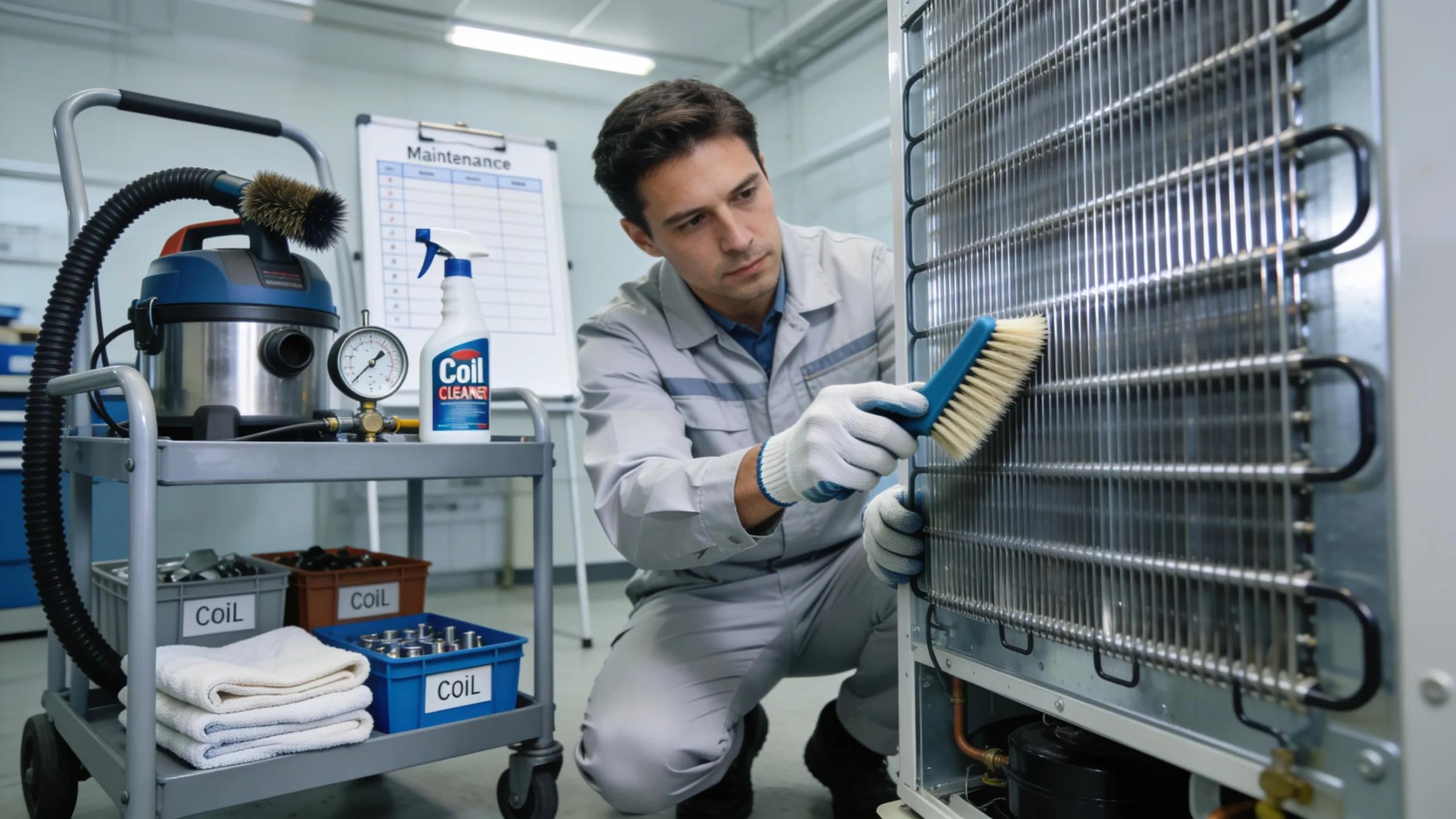
Preventative maintenance extends system life, cuts repair costs and improves efficiency.
What Are Essential Commercial Refrigeration Maintenance Best Practices?
Essential practices include:
- Regular Inspections: Conducting frequent checks for leaks, wear, and tear can prevent major breakdowns.
- Scheduled Filter Changes: Regularly changing air filters ensures system efficiency and cleanliness.
- Cleaning Coils: Keeping both evaporator and condenser coils clean enhances heat exchange processes.
Following these steps lowers the chance of major repairs.
Why Are Energy-Efficient Repairs Important for Business Savings?
Energy-efficient repairs save money over time by:
- Lower Energy Costs: Efficient systems consume less electricity, reducing operational expenses.
- Reduced Environmental Impact: Utilizing modern, energy-efficient solutions is environmentally friendly, aligning with sustainable practices.
- Increased Reliability: Upgrading aging components ensures improved performance and reliability, safeguarding your investment.
Repairs that prioritize energy efficiency deliver savings and support sustainable operations. For comprehensive HVAC services, consider options that keep your systems running at peak performance.
What Are Common Customer Questions About Commercial Refrigeration Repair?
Businesses often ask the same questions about refrigeration. Clear answers help operators take proactive steps.
How Do I Know When My Refrigeration Unit Needs Repair?
Signs your unit needs repair include:
- Unusual Noises: Frequent or loud noises are often a primary sign of mechanical issues.
- Temperature Instability: Noticing fluctuations outside the set parameters may signal a problem that requires attention.
- High Energy Bills: A sudden increase in energy costs can indicate operational inefficiencies.
Monitoring them lets you schedule repairs before failures occur.
Why Is My Refrigerator Freezing Up and How Can It Be Fixed?
Freezing often stems from:
- Incorrect Thermostat Settings: Ensuring the thermostat is correctly set can prevent freezing.
- Clogged Air Vents: Ensuring proper airflow through the vents is essential for maintaining temperature regulation.
- Faulty Components: In cases where the issue persists, professional assessment may be required.
Addressing these issues promptly keeps systems efficient and protects stored goods.
Frequently Asked Questions
What Should I Do If My Commercial Refrigerator Is Making Loud Noises?
Check the source: grinding or clanking often points to the compressor or fan. Inspect for loose parts or debris. If the noise persists, call a professional technician for diagnosis and repair—ignoring it can lead to bigger failures.
How Often Should I Schedule Maintenance for My Commercial Refrigeration Unit?
Schedule maintenance at least twice a year for optimal performance. Regular inspections catch leaks, worn parts, and inefficiencies. Some businesses may need more frequent checks based on usage and conditions. A routine plan extends equipment life and protects inventory.
Can I Use Household Cleaners to Maintain My Refrigerator Coils?
Do not use household cleaners on coils—residues can reduce efficiency. Use specialised no-rinse coil cleaning solutions designed for refrigeration units and turn off power before cleaning. Regular coil cleaning improves energy efficiency and overall performance.
What Are the Risks Of Ignoring Refrigerant Leaks?
Ignoring refrigerant leaks lowers cooling efficiency, raises energy bills, and risks product damage. Many refrigerants also harm the environment, and prolonged low levels can lead to compressor failure. Prompt detection and repair protect efficiency and support compliance with environmental regulations.
What Temperature Should My Commercial Refrigerator Be Set To?
Set commercial refrigerators between 35°F and 38°F (1.6°C to 3.3°C). This range slows bacterial growth while maintaining product quality. Monitor temperatures with a reliable thermometer and adjust based on stored items or manufacturer guidance.
How Long Does a Commercial Refrigerator Typically Last?
A commercial refrigerator typically lasts 10 to 15 years, depending on usage, maintenance, and unit quality. Preventative maintenance and timely repairs can extend service life. Staying proactive reduces the risk of performance drops and failures.
What Are Signs That My Thermostat Is Malfunctioning?
Signs of a faulty thermostat include inconsistent temperatures, frequent cycling, or an unresponsive display. Regular checks and calibration prevent inefficient operation and help ensure goods are stored at safe temperatures.
Conclusion
Knowing common refrigeration issues and their fixes protects operations and product quality. Timely action lowers repair costs, boosts energy efficiency, and extends equipment life. Implement the preventative measures discussed to reduce unexpected downtime. For comprehensive HVAC services that keep your refrigeration systems in peak condition, explore our offerings today.