Category Archives: Commercial Refrigeration

Maximize Commercial Refrigeration Lifespan in Kennewick, WA

Maximize Commercial Refrigeration Lifespan in Kennewick, WA

Maximize Commercial Refrigeration Lifespan: Expert Service and Maintenance Tips in Kennewick WA

Maximizing the lifespan of commercial refrigeration starts with practical maintenance and timely service. This guide offers clear tips—from preventive schedules to common troubleshooting—so business owners in Kennewick, WA can keep their cooling systems reliable. We also note local professional services that can help.

Proper care reduces repair costs and improves energy use. This article covers preventive maintenance, troubleshooting steps, energy-efficiency best practices, and how to schedule local service so you can take a complete approach to preserving your equipment.

Read on to see how regular maintenance boosts performance and extends the operational life of your refrigeration systems.

What Are the Essential Preventive Maintenance Tips for Commercial Refrigeration?

Preventive maintenance keeps commercial refrigeration units running longer and more efficiently. A routine schedule lowers breakdown risk and helps you avoid costly emergency repairs.

How Often Should You Schedule Preventive Maintenance for Refrigeration Systems?

Schedule preventive maintenance at least once a year. Regular inspections catch small issues before they grow, allowing for minor repairs rather than full replacements. Skipping maintenance can reduce efficiency and raise energy costs; higher usage in warmer months makes timely checks especially important.

Which Refrigeration System Components Require Regular Care and Cleaning?

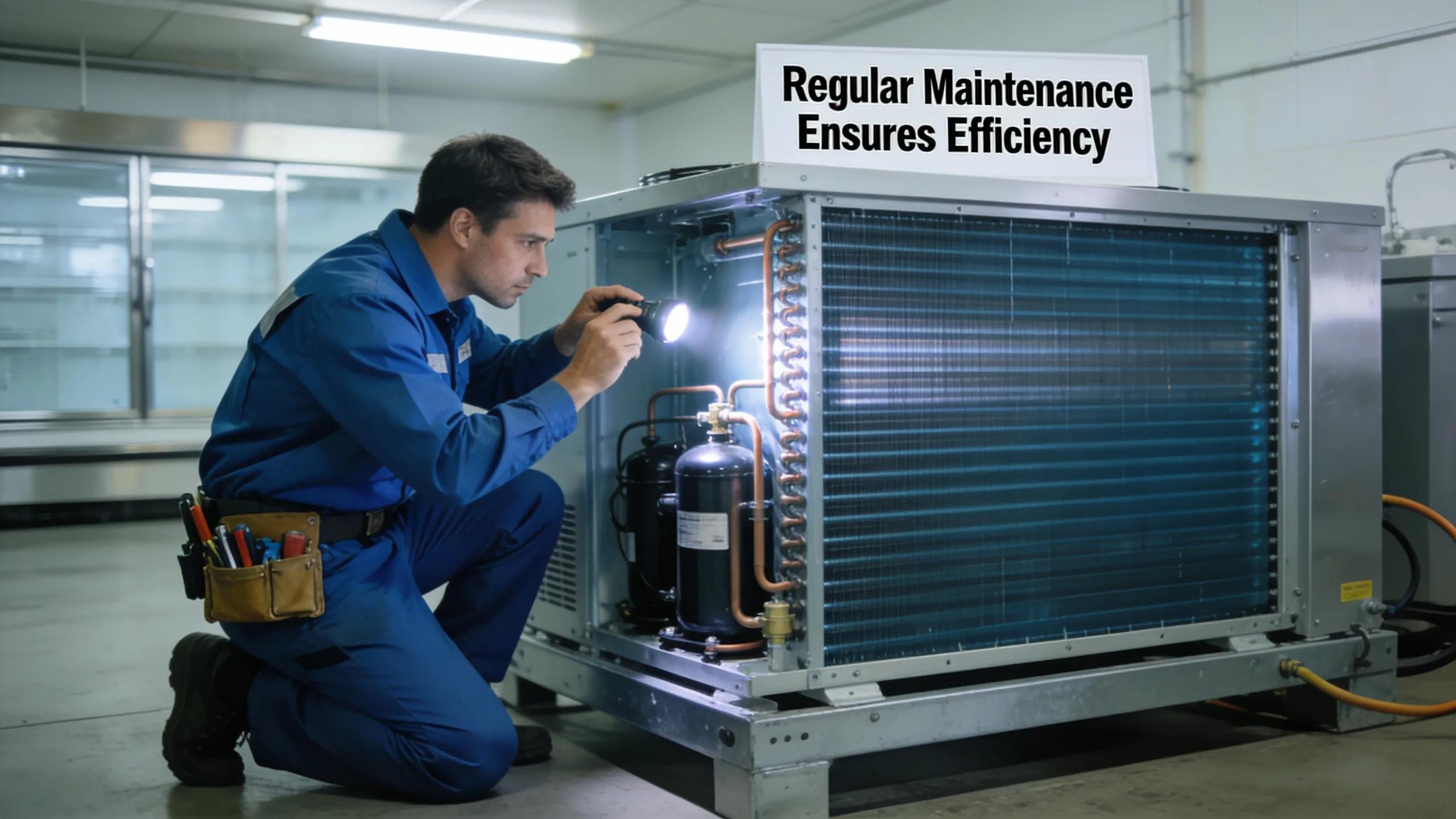
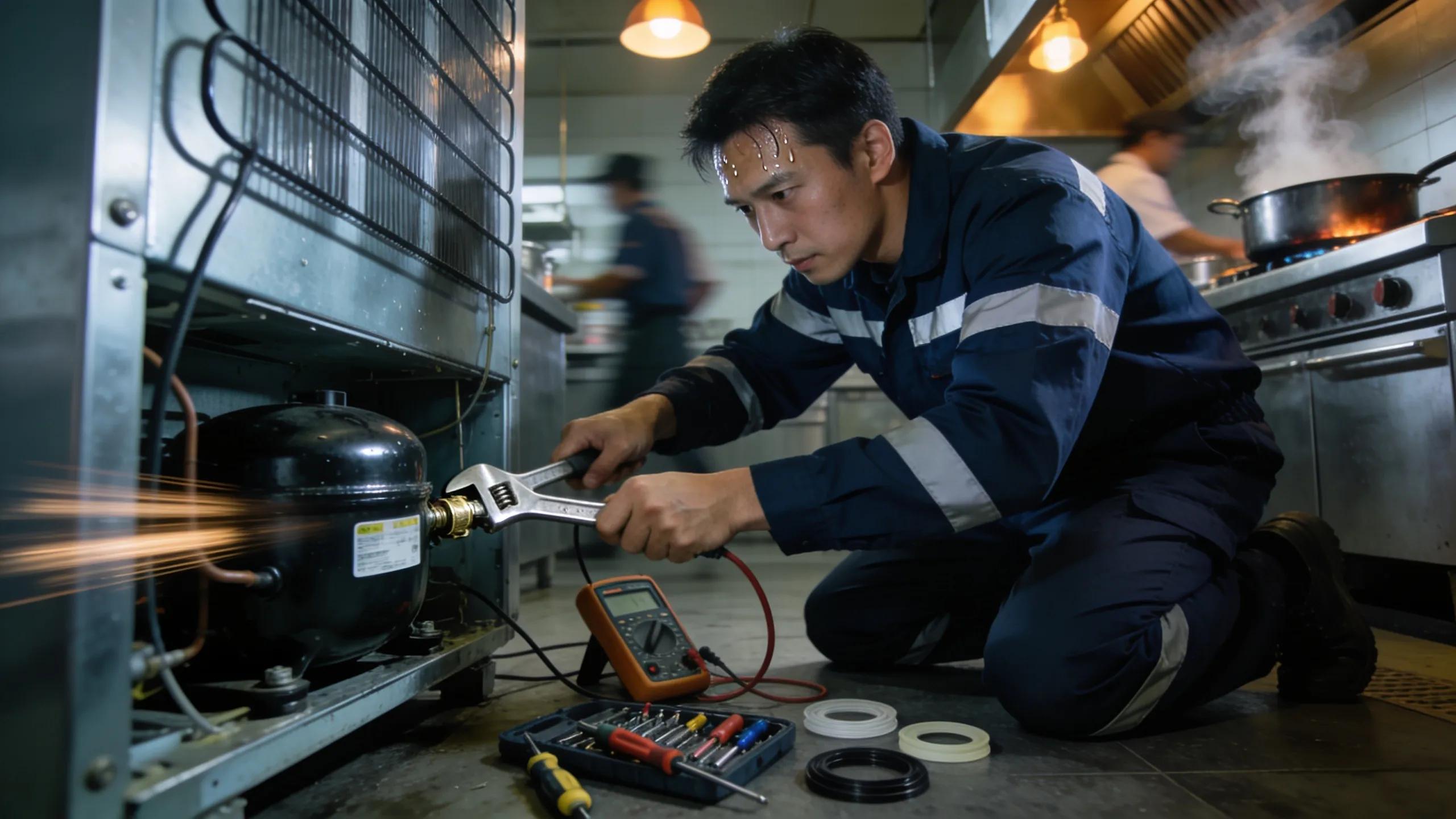
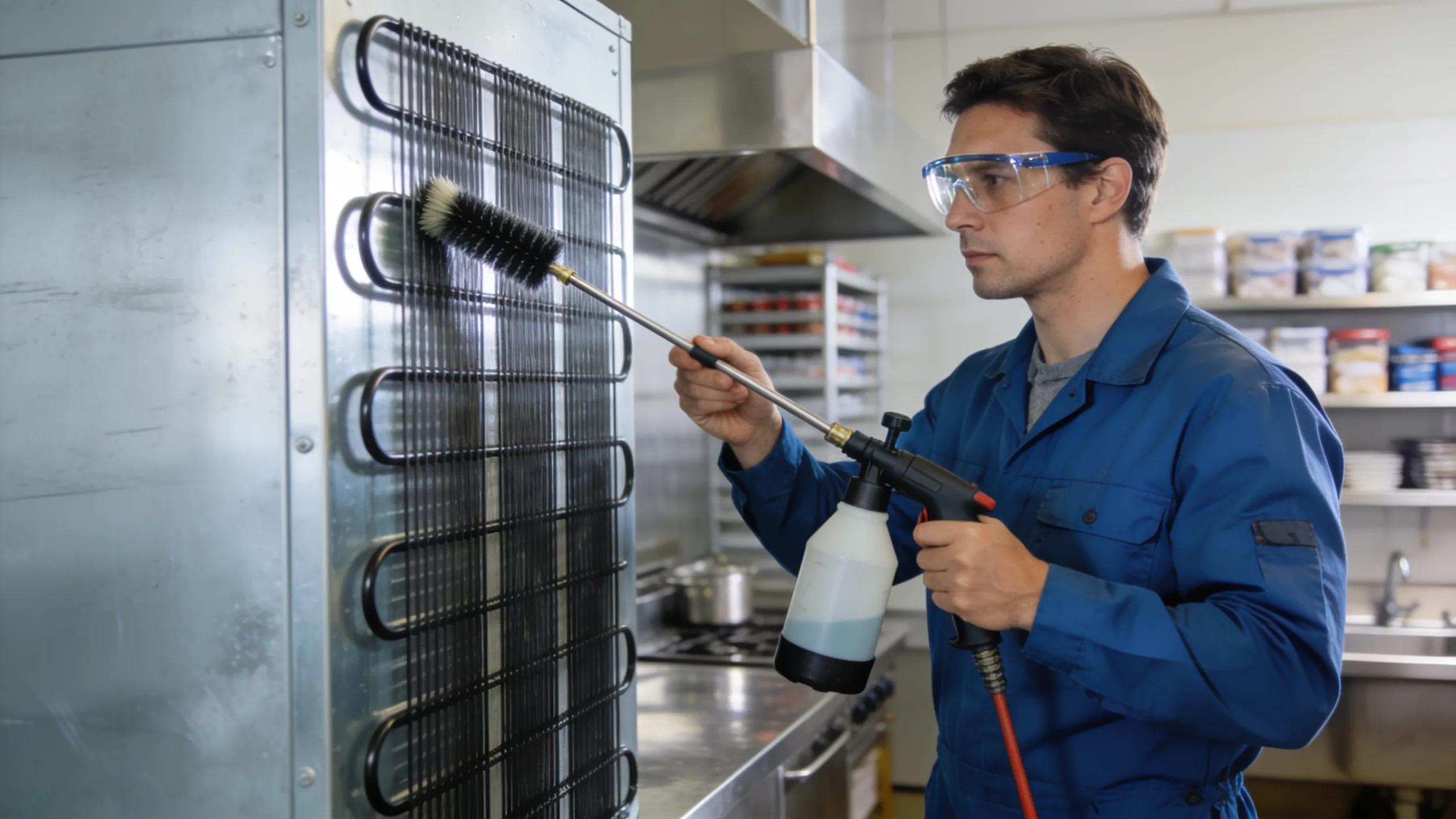
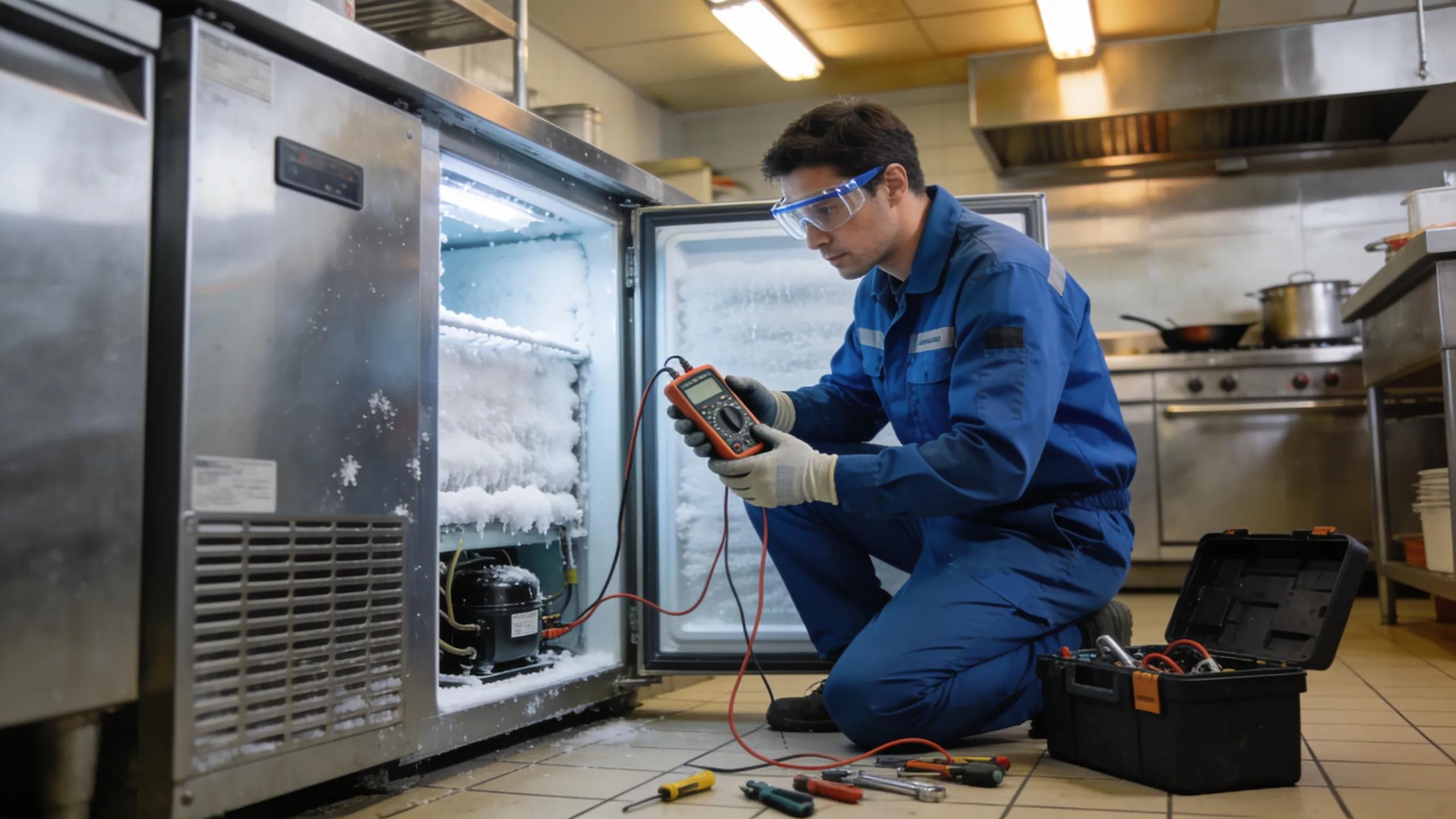
Technician cleaning refrigeration coils, highlighting essential maintenance practices

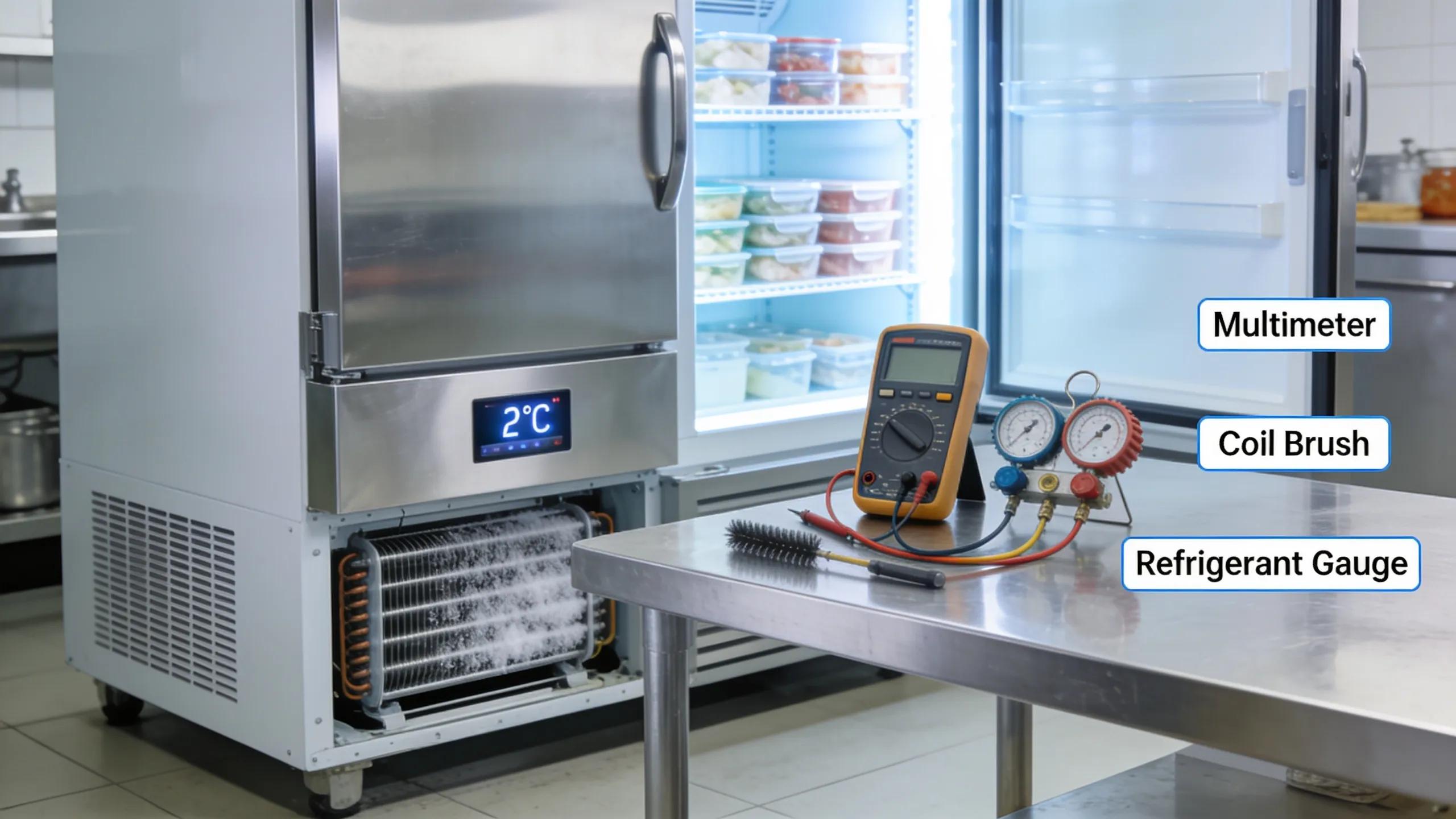
Compressors, coils, and condensers need routine attention. Use recommended tools like coil brushes and appropriate cleaning solutions to remove build-up. Ignoring these components leads to reduced performance, higher repair bills, and a shorter equipment lifespan.

Maintenance TaskFrequencyImportance
Clean CoilsMonthlyPrevents overheating and enhances efficiency
Check Refrigerant LevelsAnnuallyEnsures optimal cooling performance
Inspect Electrical ConnectionsAnnuallyReduces risk of system failure

Following a structured maintenance plan helps keep these critical parts in good condition and noticeably extends system life.

How Can You Troubleshoot Common Commercial Refrigeration Problems Effectively?

Fixing common problems quickly saves time and money. Knowing the warning signs lets you act fast and keeps systems operating reliably.

What Are the Signs of Refrigeration Failure to Watch For?

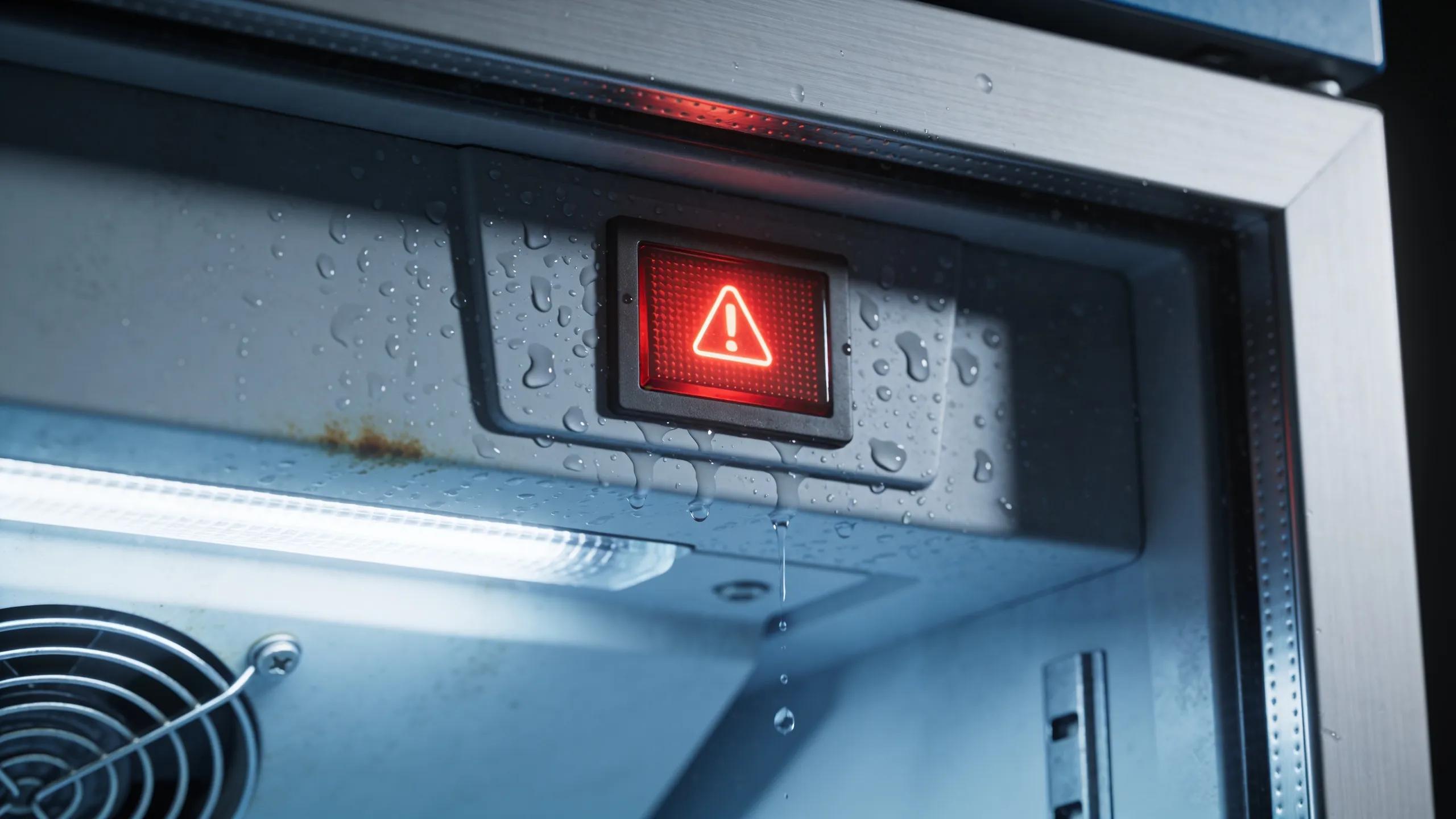
Watch for unusual noises, temperature swings, and excess frost. Early detection prevents further damage—for example, warm air from a unit can indicate refrigerant loss or a failing compressor, both of which need prompt inspection.

Which Industrial Refrigeration Repair Solutions Address Frequent Issues?

Different problems call for different fixes. Cleaning a condenser can resolve overheating, while a faulty thermostat may need replacing to restore proper control. Some fixes are simple, but complex issues require a professional with the right tools and expertise.

What Are the Best Practices to Enhance Energy Efficiency in Commercial Refrigeration Systems?

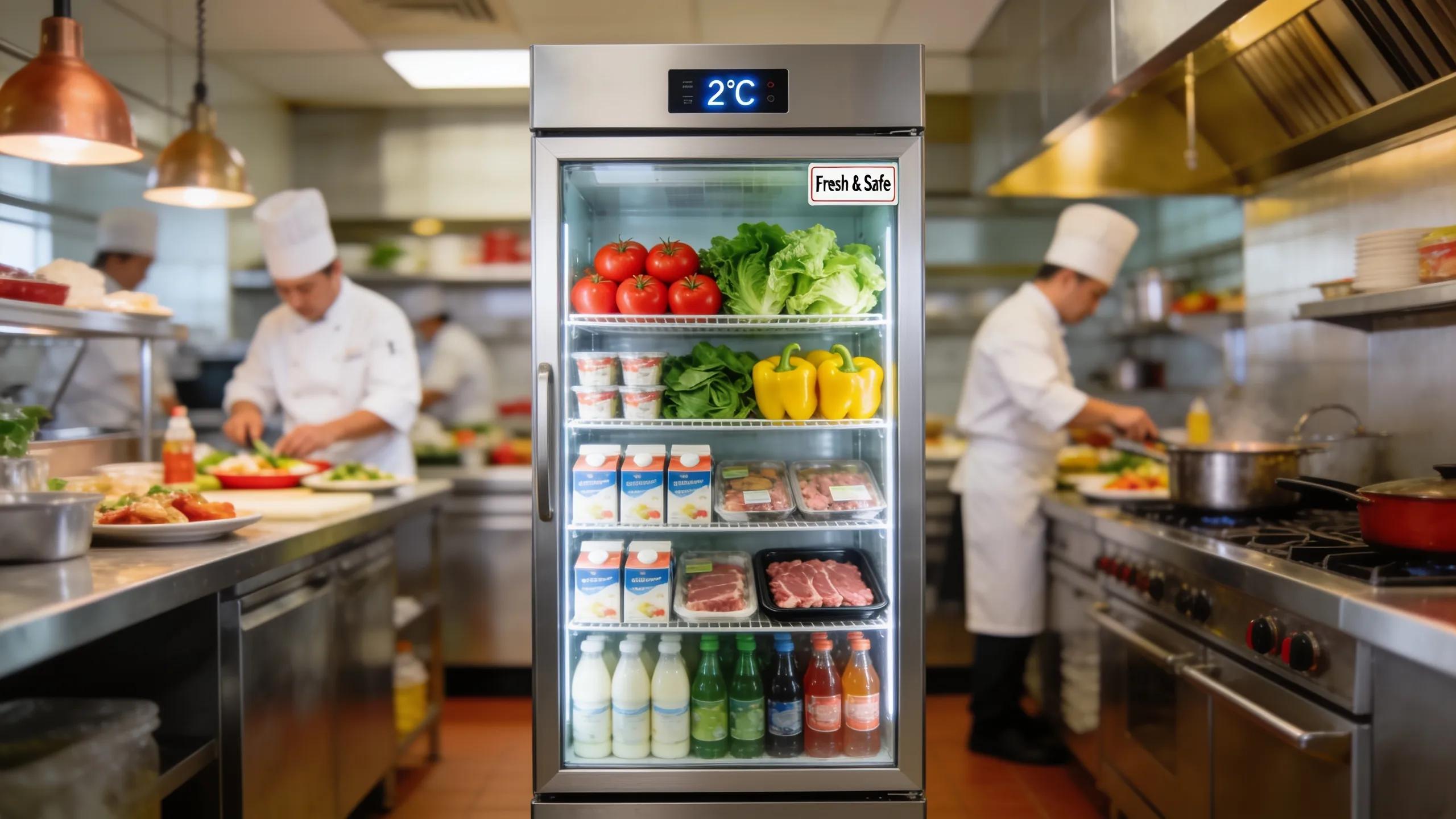
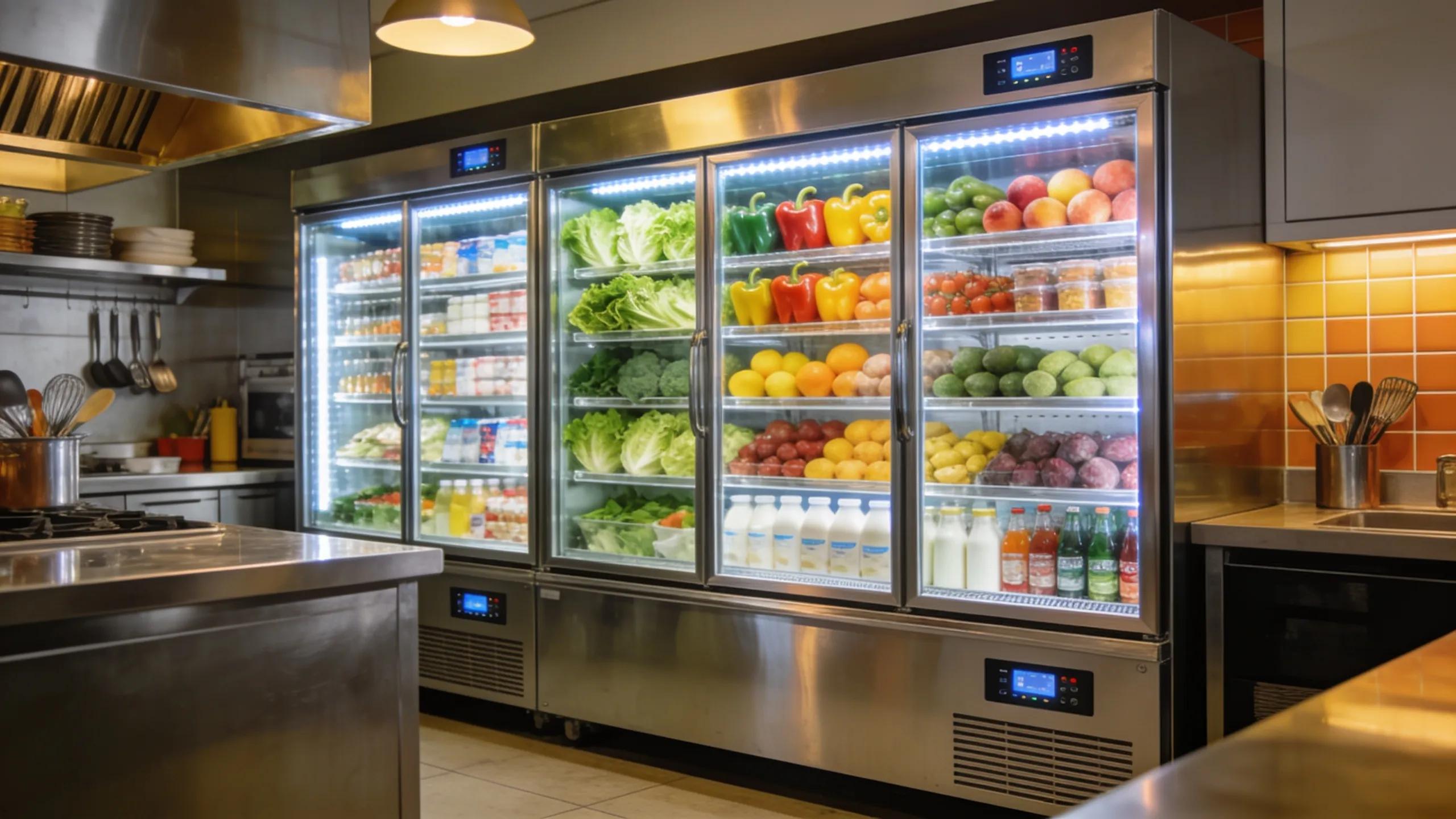
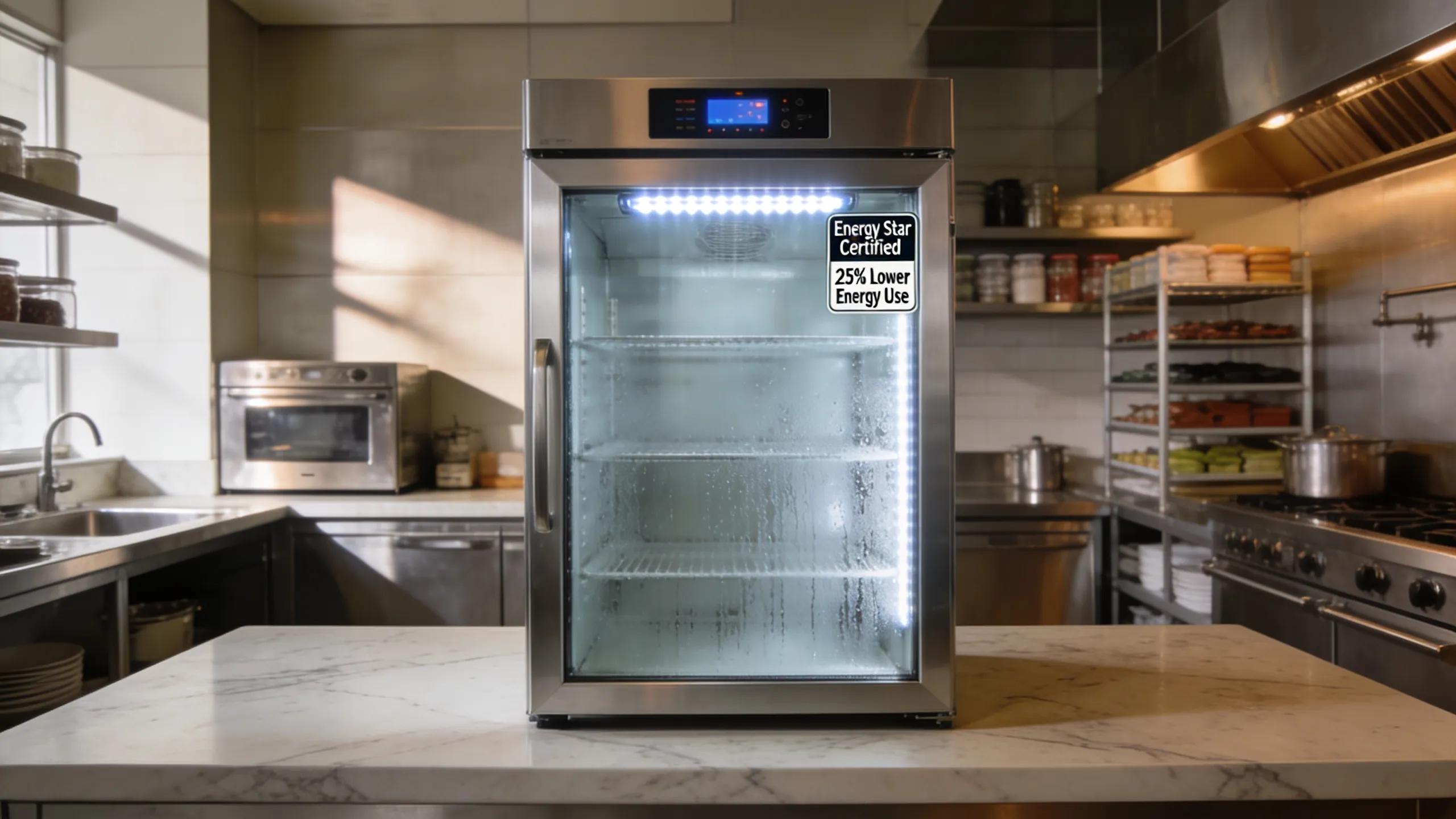
Energy-efficient commercial refrigeration system in a busy kitchen highlighting best practices

Improving energy efficiency lowers costs and reduces environmental impact. Implementing a few best practices can make a meaningful difference in performance and bills.

How Does Regular Maintenance Improve Refrigeration Energy Consumption?

Regular maintenance keeps equipment operating at peak efficiency—well-maintained systems can run 10–15% more efficiently than neglected units. Simple tasks like cleaning condenser coils and checking refrigerant levels help optimise energy use. For related air-quality and efficiency work, consider “duct cleaning”.

What Advanced Diagnostics Improve Commercial Cooler Cleaning Services?

Advanced diagnostics spot subtle inefficiencies routine checks miss. Tools like infrared thermography reveal thermal irregularities where heat is escaping, allowing targeted cleaning and repairs that improve energy savings and performance.

How Do You Schedule Reliable Local Commercial Refrigeration Service in Kennewick WA?

Choosing a dependable local provider ensures consistent upkeep. Scheduling preventive maintenance is simple when you know who to call and what information they need.

Why Choose Youngs Heating and Cooling for Commercial Refrigeration Maintenance Services?

Youngs Heating and Cooling offers HVAC, plumbing, and electrical services for commercial and residential customers in Kennewick, WA. They focus on scheduled maintenance and improving “cooling system performance”, making them a reliable local option.

What Is the Process for Booking Preventive Maintenance or Repair Online or by Phone?

To book maintenance or repairs, contact Youngs Heating and Cooling via their website or by phone. Share your system type and any issues to speed up scheduling. You’ll receive follow-up details to prepare for the appointment.

How Does Regular Commercial Cooler Cleaning Extend Refrigeration System Lifespan?

Regular cleaning is a core maintenance task that directly improves both performance and longevity. Clean systems run more efficiently and last longer.

What Are Effective Cleaning Techniques for Commercial Refrigeration Coils?

Use specialised coil cleaners and brushes to remove dirt without harming components, and follow safety precautions during the process. Routine coil cleaning supports efficient cooling and helps prevent premature failures.

How Does Cleaning Impact Overall System Performance and Longevity?

Cleaning preserves airflow and heat exchange, which boosts performance. Research indicates regular cleaning can extend system life by up to 20%. Keeping components clean reduces strain, lowers energy costs, and helps avoid early replacements. For full maintenance support, consider “expert service”.

Frequently Asked Questions

What are the most common issues that lead to refrigeration system failures?

Frequent causes of failure include refrigerant leaks, compressor problems, faulty thermostats, and dirty condenser coils. Leaks reduce cooling efficiency and strain compressors, while grime on coils lowers performance. Regular servicing catches these issues early and prevents costly breakdowns.

How can I improve the energy efficiency of my refrigeration unit?

Improve efficiency by keeping up with maintenance and cleaning—clean evaporator and condenser coils, check door seals, and maintain correct refrigerant levels. Upgrading components or using programmable thermostats can help, and professional assessments identify system-specific opportunities.

What is the average lifespan of commercial refrigeration systems?

Commercial refrigeration systems typically last 10–20 years, depending on usage, maintenance, and build quality. Proper upkeep can extend that range, while neglected systems often fail earlier. Routine care is key to maximising lifespan.

How do I choose a reliable commercial refrigeration service provider?

Choose a provider by researching local companies, reading reviews, and checking certifications and experience. Look for firms offering emergency repairs and scheduled maintenance, and favour those familiar with local regulations in Kennewick, WA. Recommendations from other businesses are also helpful.

What should I do if my refrigeration system is making strange noises?

Strange noises—grinding, rattling, or buzzing—often signal mechanical issues like a failing compressor, loose parts, or debris in fans. Turn the unit off and contact a professional technician to diagnose and repair the problem before it causes more damage.

Can regular maintenance lead to cost savings?

Yes. Regular maintenance reduces repair costs and energy use—well-maintained systems can cut energy consumption by around 10–15%. Catching problems early prevents expensive repairs and, over time, the savings typically exceed the cost of routine service.

Conclusion

Regular maintenance increases efficiency, lowers energy costs, and extends the life of your refrigeration equipment. Professional service catches problems early and protects your business from unexpected repairs. To keep systems running smoothly, consider scheduling preventive maintenance with trusted local providers like Youngs Heating and Cooling and start improving reliability today.

6 Key Signs Your Commercial Refrigeration Needs Repair Now

6 Key Signs Your Commercial Refrigeration Needs Repair Now

6 Key Signs Your Commercial Refrigeration Unit Is Crying for Repairs Now

Commercial refrigeration keeps your business running. Spotting repair needs early prevents losses and keeps performance high. This article lists six signs that need immediate attention and gives practical troubleshooting tips — from strange noises to temperature swings and energy waste — so you can act fast and protect uptime.

What Are the 6 Key Signs Indicating Your Commercial Refrigeration Needs Immediate Repair?

Catch faults early. Here are six signs that demand repairs:

  1. Unusual Noise: Strange sounds can signal mechanical issues with the compressor or fans.
  2. Temperature Irregularities: Fluctuations in temperature can compromise stored food and products.
  3. Energy Inefficiency: A sudden increase in energy bills often correlates with a malfunctioning system.
  4. Frost Buildup: Ice accumulation in unwanted areas can indicate airflow issues.
  5. Leaking Refrigerant: Any signs of refrigerant leaks should be addressed immediately to prevent system failure.
  6. Frequent Cycling: If the unit turns on and off too frequently, it may be struggling to maintain the set temperature.

Use this checklist to monitor your unit and stop small problems from getting worse.

How Does Unusual Noise Signal a Faulty Commercial Refrigeration Unit?

Strange sounds often mean a mechanical fault: banging points to loose parts, high-pitched squeals to a failing compressor. Don’t ignore them — early fixes avoid bigger failures and downtime.

Why Is Temperature Irregularity a Critical Symptom to Monitor?

Temperature swings can ruin perishables. Causes include failing compressors, poor airflow, or faulty thermostats. Monitor temps closely to prevent spoilage and financial loss.

How to Troubleshoot Common Symptoms of a Faulty Commercial Refrigerator?

When a unit misbehaves, basic troubleshooting can reveal the cause. Below are common symptoms and practical fixes to try or to report to a technician.

  1. Refrigerant Leaks: Signs include ice buildup or hissing sounds. Immediate professional assessment is recommended to repair the leak and recharge the system.
  2. Excessive Energy Consumption: Check if the condenser coils are dirty or if the door seals are damaged, as these factors can increase energy use significantly.

Early diagnosis saves money and keeps the system running efficiently.

What Are the Signs and Effects of Refrigerant Leaks in Commercial Units?

Leaks cut cooling power. Look for ice, liquid pools, or hissing sounds. Left unchecked, leaks reduce efficiency and raise energy costs. Have a professional locate and fix the leak; proper duct cleaning can also reveal related airflow problems.

When Does Excessive Energy Consumption Indicate Repair Needs?

Energy-efficient commercial refrigeration unit in a modern kitchen environment

If your energy bills spike without a change in usage, the unit may be inefficient. Dirty condenser coils or faulty components are common causes. Fixing them can restore proper energy use.

When Should You Call for Commercial Refrigeration Repair Services?

Knowing when to call a pro saves time and money. Some issues you can check yourself, but persistent or safety-related problems need expert attention.

How Do Repair Technicians Diagnose Commercial Refrigeration Problems?

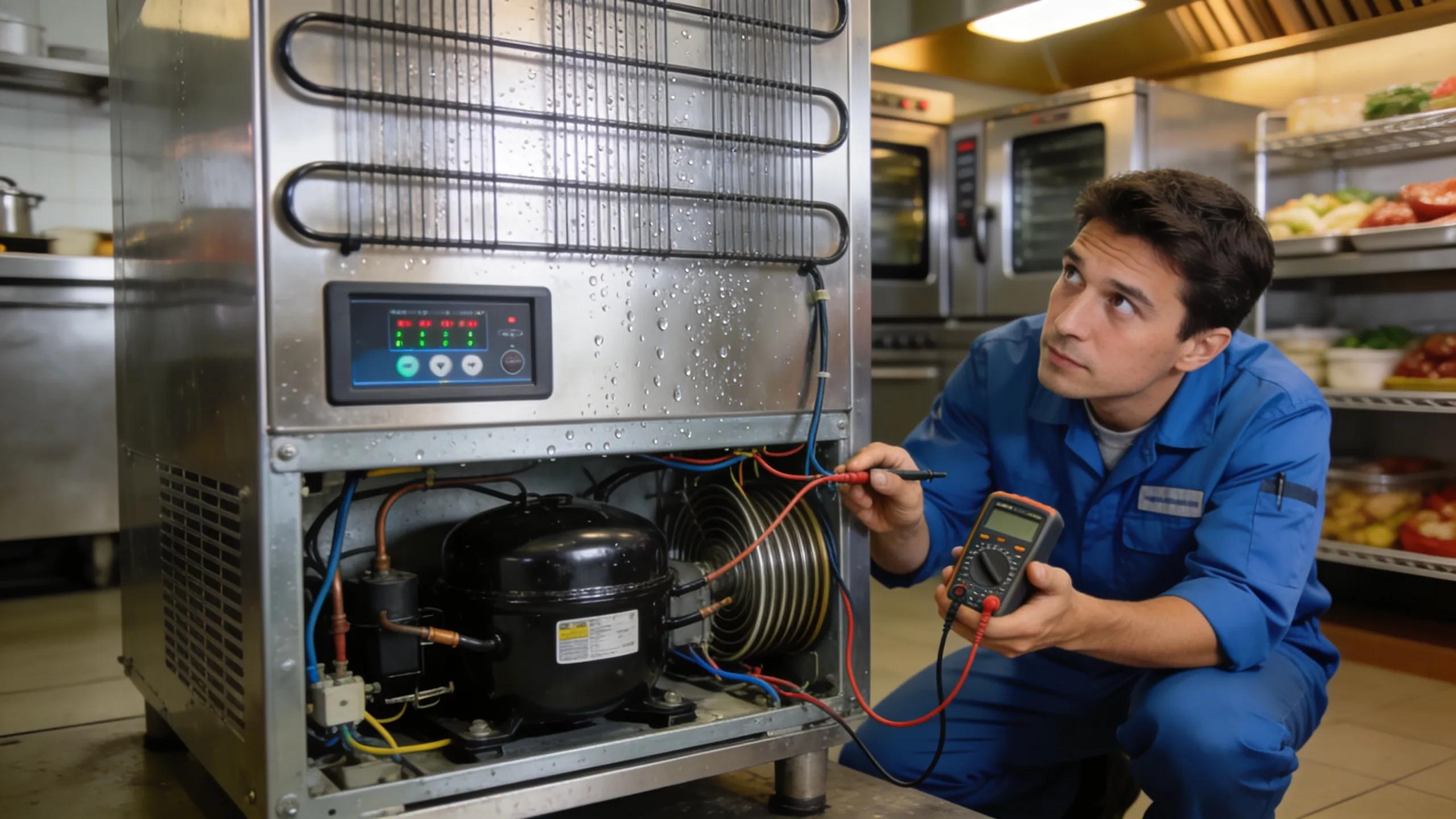
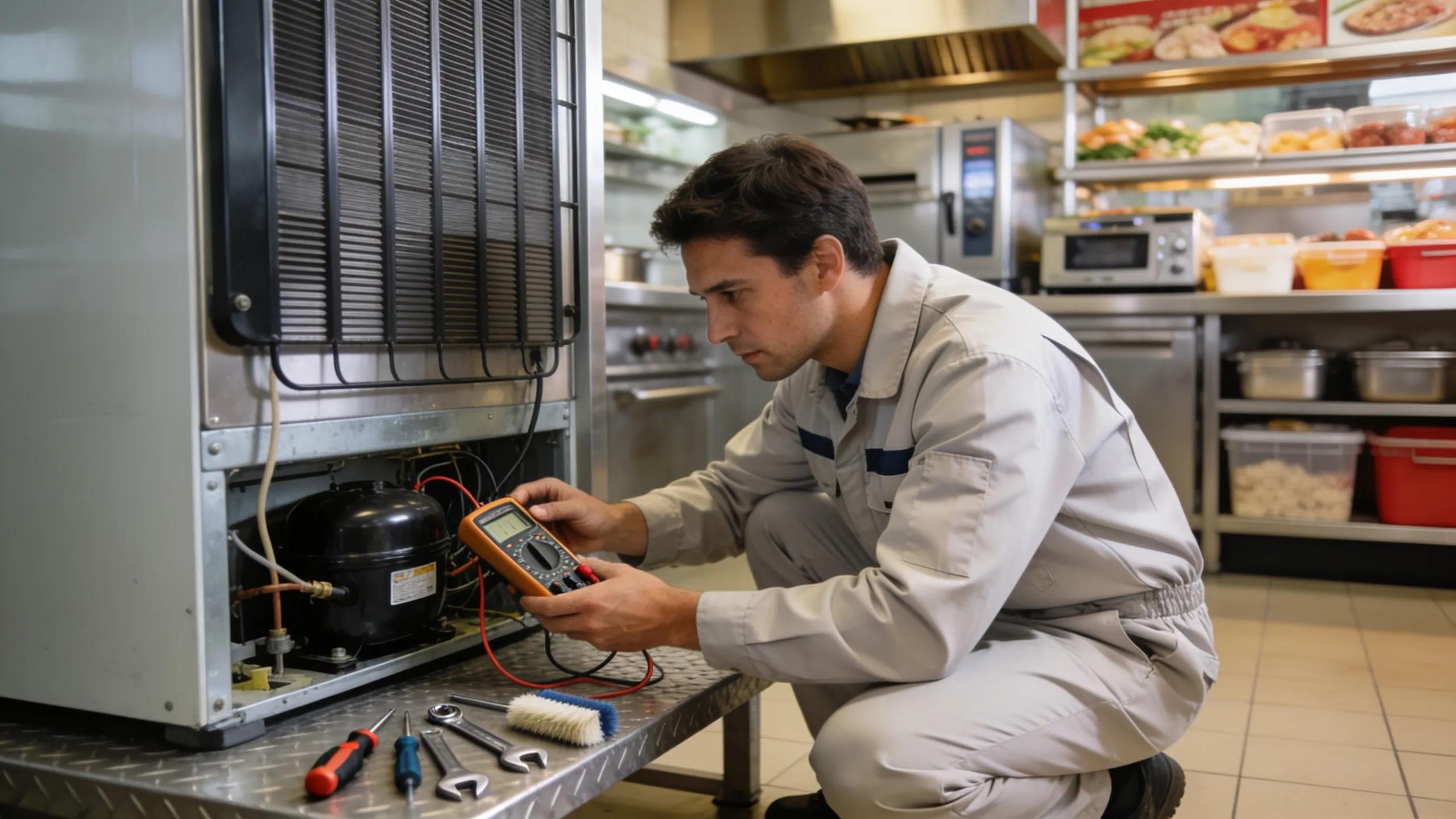
Technicians use pressure gauges to check refrigerant, infrared thermometers to spot temperature gaps, and multimeters for electrical faults. Their tools and experience help pinpoint the root cause faster.

What Are the Benefits of Scheduling Prompt Commercial Refrigeration Repairs?

Quick repairs prevent further damage, cut downtime, and reduce long-term costs by restoring reliable operation.

What Are Essential Commercial Refrigerator Maintenance Tips to Prevent Repairs?

Regular maintenance prevents sudden failures and keeps your refrigeration unit running efficiently.

  1. Scheduled Check-ups: Regular professional inspections can catch potential issues early.
  2. Filter Replacement: Replacing air filters ensures proper airflow, enhancing efficiency.
  3. Cleaning Coils: Keeping condenser coils clean helps maintain optimal temperature control and reduces energy consumption.

These preventive steps extend the unit’s lifespan and improve performance.

How Can Regular Maintenance Detect Issues Early?

Routine checks—yours and a pro’s—catch minor wear, like belt deterioration, before it becomes a major failure. Regular inspections keep the unit running smoothly.

Which Maintenance Actions Improve Energy Efficiency in Refrigeration Units?

Cleaning coils and ensuring door seals are intact reduce energy use. These simple tasks boost performance and lower operating costs.

How Do Repair Processes Address Specific Commercial Refrigeration Symptoms?

Knowing repair steps helps you work with technicians. commercial refrigeration pros follow proven procedures to diagnose and fix symptoms efficiently.

SymptomRepair MethodExpected Outcome
Noisy CompressorTightening components or replacementQuieter operation
Temperature IrregularitiesThermostat calibration or component replacementStable temperatures
Refrigerant LeakSealing leaks and recharging systemRestored cooling efficiency

Targeted repairs match each symptom to a fix and restore proper function.

What Repair Solutions Fix Noise and Compressor Problems?

Noise fixes range from tightening and lubrication to component replacement if needed. Technicians use diagnostic tools to confirm the repair and ensure quieter, more efficient operation.

How Are Refrigerant Leaks and Temperature Issues Remedied?

Technicians locate and seal refrigerant leaks, then recharge the system. Temperature issues are addressed via thermostat calibration or replacing faulty parts. These steps restore cooling performance.

What Impact Do Faulty Refrigeration Units Have on Operational Costs and Energy Use?

Faulty units drive up costs through higher energy use and product loss. Staying on top of maintenance keeps operations efficient and cuts avoidable expenses.

Why Does Repairing Refrigeration Units Reduce Energy Wastage?

Repairs remove inefficiencies—sealed leaks and fixed mechanical faults lower energy use and produce measurable savings over time.

How Does Timely Repair Lower Commercial Refrigeration Operating Expenses?

Prompt repairs keep systems efficient, reduce energy bills, and extend equipment life, which saves money in the long run.

Young’s Heating and Cooling offers commercial refrigeration repair services to keep your units running. We diagnose energy, leak, and mechanical issues and help restore optimal performance. To schedule a service, contact Young’s Heating and Cooling.

Frequently Asked Questions

What are the common causes of commercial refrigerator breakdowns?

Common causes include failing compressors or fans, blocked vents, incorrect temperature settings, and refrigerant leaks. Neglecting maintenance—like dirty condenser coils or old air filters—also leads to failures. Addressing early warning signs helps avoid costly breakdowns.

How can I tell if my commercial fridge needs more than just maintenance?

If problems persist after regular maintenance, you likely need professional repair. Watch for high energy bills, frequent on/off cycling, persistent temperature swings, abnormal noises, leaks, or frost buildup—these indicate deeper issues.

Is it safe to continue using a malfunctioning commercial refrigerator?

Using a malfunctioning fridge risks food safety. If it can’t maintain consistent temperatures, perishables may spoil. Stop using the unit and call a technician when warning signs appear to protect health and limit waste.

Can regular maintenance actually reduce future repair costs?

Yes. Regular maintenance catches small faults—worn belts or dirty coils—before they become major repairs. This extends equipment life and lowers energy and repair costs over time.

What should I look for when hiring a commercial refrigeration repair service?

Choose technicians experienced with your equipment, certified, and well reviewed. Ask about guarantees and emergency response times to ensure reliable service when you need it most.

How does temperature consistency affect the lifespan of my refrigeration unit?

Stable temperatures reduce strain on the system. Frequent fluctuations force the unit to work harder, increasing wear and shortening its lifespan.

What are the advantages of professional versus DIY repairs for commercial refrigerators?

DIY fixes can save money short-term, but professionals bring training, specialised tools, and correct parts. They spot hidden problems and reduce the risk of improper repairs that cause bigger issues.

Conclusion

Spotting repair signs early prevents costly downtime and protects food safety. Address issues quickly to extend the life and efficiency of your refrigeration system. Contact the team at Young’s Heating and Cooling for dependable repair services.

Recognize the Signs Your Freezer Needs Repair in Kennewick

Recognize the Signs Your Freezer Needs Repair in Kennewick

Signs Your Freezer Needs Repair in Kennewick: How to Identify and Act on Freezer Problems

Freezers keep food safe by holding a steady low temperature, but they can break down over time. Knowing the warning signs helps you avoid spoilage and bigger repairs. This guide shows common freezer problems, how to spot them, and what steps to take. It also explains how Youngs Heating and Cooling can help with professional freezer repairs in Kennewick.

What Are the Common Signs Your Freezer Is Not Freezing Properly?

Spotting freezer issues early prevents food loss and costly fixes. Key signs include temperature swings, odd noises, and excess frost. Notice any of these and act quickly.

How to Recognize Freezer Temperature Issues and Fluctuations

Inconsistent temperatures are an early sign of trouble. When your freezer can’t hold the right cold, food can spoil. Watch for these clues:

  • Food Freezing: If items aren’t solidly frozen, it could be the compressor or thermostat.
  • Ice Crystals: Frost on food or in the air means the defrost cycle may be failing.

Check the internal temperature regularly to protect food quality. If temps keep changing, investigate the cause right away.

What Noises Indicate Freezer Malfunctions?

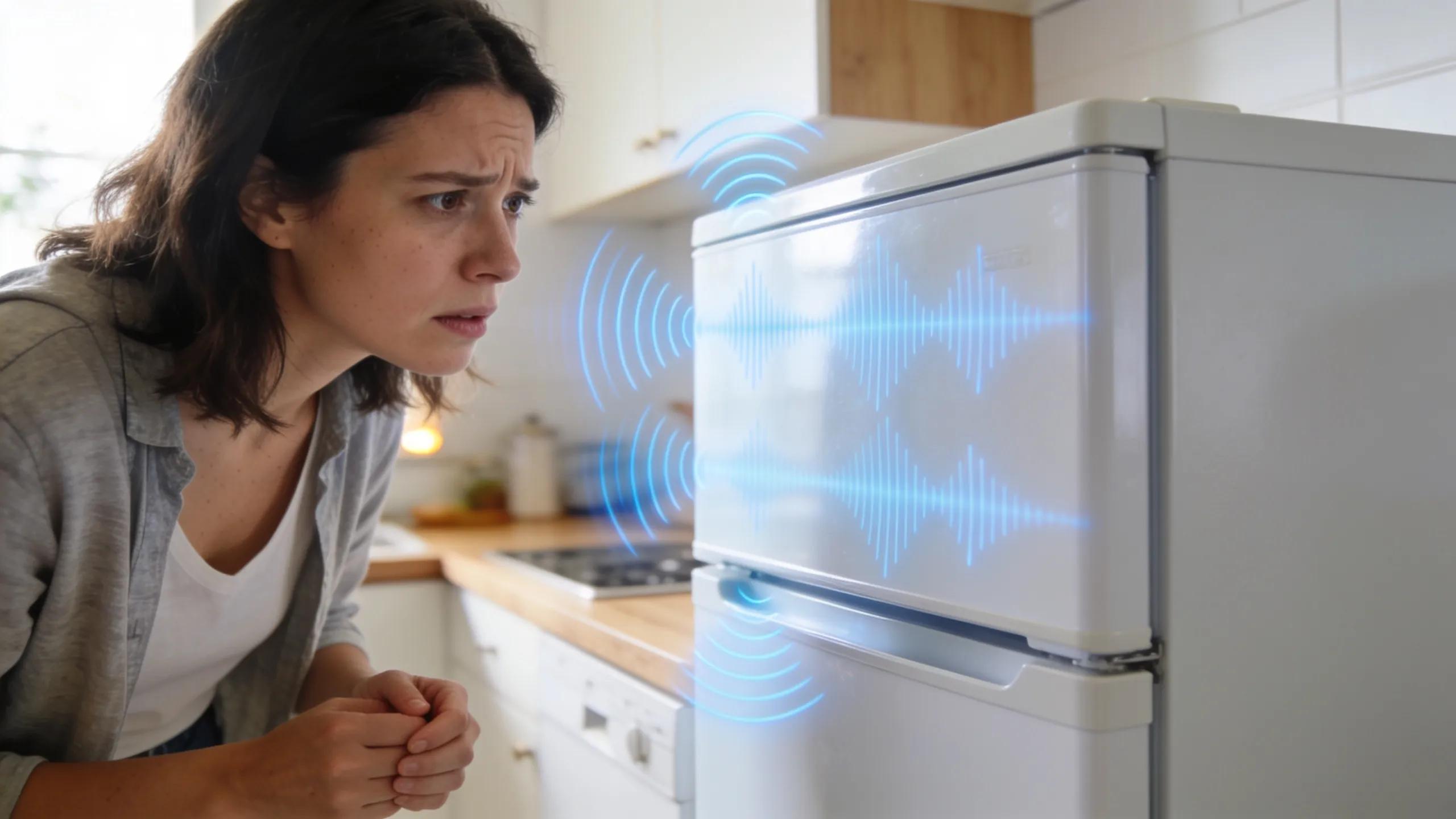
Close-up of a freezer with sound wave graphics, depicting unusual noises indicating malfunctions

Freezers are usually quiet, so new sounds often mean a problem. Common warning noises include:

  • Buzzing or Clicking: Could point to compressor or electrical issues.
  • Hissing: May indicate a refrigerant leak or cooling system fault.
  • Loud Clunking: Often a sign of a failing fan or motor.

If you hear strange noises, check the unit and get professional help if the sounds continue.

Which Symptoms Suggest Your Freezer Requires Professional Repair?

Some problems you can troubleshoot, but others need a technician. Knowing which symptoms call for professional repair helps you avoid bigger damage.

How Does Frost Build-Up Signal a Repair Need?

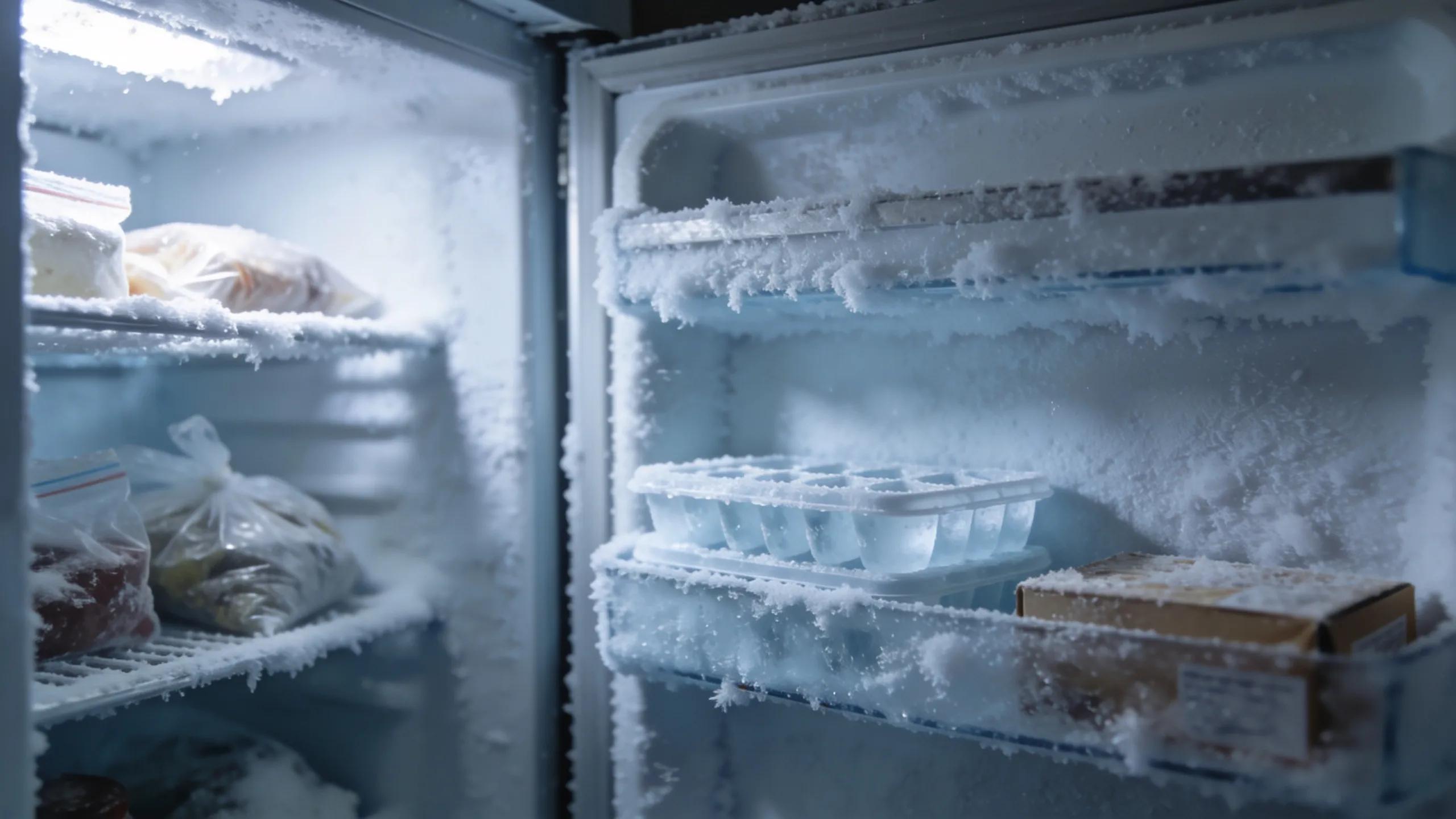
Inside view of a freezer with significant frost build-up, indicating need for repair

Excess frost isn’t just messy — it reduces performance. Persistent frost can mean:

  • The door seal is damaged: Warm air leaking in creates more frost.
  • The defrost heater is malfunctioning: If it won’t heat, frost won’t melt during cycles.

Don’t ignore frost build-up. It shrinks storage space and harms cooling efficiency, so fix it quickly.

What Does Water Leakage Reveal About Freezer Issues?

Water pooling around your freezer signals a problem. Common causes include:

  • Clogged defrost drains: Blocked drains cause water to pool instead of draining away.
  • Damaged water lines: Ice makers or dispensers with broken lines can leak.

Leaks can cause home damage, so get a professional check to correct the issue and prevent further problems.

How Can Youngs Heating and Cooling Help With Freezer Repair in Kennewick?

Fixing freezer problems quickly prevents food loss and more damage. Youngs Heating and Cooling offers diagnosis and repair services in Kennewick to get your freezer working properly again.

What Repair Services Are Offered for Common Freezer Problems?

Youngs Heating and Cooling handles a range of freezer repairs, such as:

  • Compressor replacement: Restores proper cooling.
  • Thermostat repairs: Ensures accurate temperature control.
  • Defrost system repairs: Stops frost build-up and water issues.

Their technicians have the skills to diagnose and fix common freezer faults effectively.

How to Schedule Service and Request a Free Quote Easily?

Scheduling service is simple. Contact Youngs Heating and Cooling to request a free quote and arrange an appointment so your freezer returns to optimal performance.

When Should You Call a Professional for Freezer Repair in Kennewick?

Knowing when to call a pro saves time and money. Some situations require immediate professional attention.

Which Emergency Repair Situations Require Immediate Attention?

Urgent problems include:

  • Total system failure: A non-working freezer puts food at risk of spoiling.
  • Severe leaks: Standing water can damage floors and encourage mould.

Address these issues promptly with a professional to reduce risks to your home and food.

Why Is Professional Diagnosis Important for Freezer Issues?

Technicians can spot complex faults that aren’t obvious. A professional diagnosis provides:

  • Safe and effective repairs: Work on electrical parts and refrigerant systems needs specialist skills.
  • Long-term solutions: Proper fixes help the appliance run well for years.

Investing in professional evaluation helps maintain reliable freezer performance over time.

What Maintenance Tips Prevent Freezer Problems and Extend Appliance Life?

Regular maintenance keeps your freezer efficient and extends its life. A few routine checks go a long way.

How to Perform Routine Freezer Care and Troubleshooting

Basic care includes simple tasks like:

  • Regular Temperature Checks: Keep the internal temperature at or below 0°F (-18°C).
  • Cleaning the Coils: Dusty coils reduce efficiency; clean them twice a year.
  • Inspecting Door Seals: Look for tears or gaps that let warm air in.

These small steps can significantly boost performance and life span.

Which Energy-Saving Practices Improve Freezer Efficiency?

Energy-smart habits help your freezer and your bills. Try these tips:

  • Limit Door Openings: Open the door less often and for shorter periods.
  • Store Food Correctly: Arrange items to allow airflow around them.
  • Keep the Freezer Full: A fuller freezer holds cold better, but don’t block airflow.

Using these practices improves cooling and lowers energy use.

Maintenance TaskFrequencyBenefits
Temperature ChecksWeeklyEnsures optimal cooling
Cleaning CoilsTwice a yearImproves efficiency
Inspecting SealsMonthlyPrevents air leaks

This table lists key maintenance tasks to keep your freezer running smoothly. Regular care extends its life and improves performance.

Use professional services when needed, keep up with routine maintenance, and apply energy-saving practices to ensure your freezer stays reliable. For full home services, consider Youngs Heating and Cooling.

Frequently Asked Questions

1. How often should I check the temperature of my freezer?

Check your freezer’s temperature at least once a week. Make sure it stays at or below 0°F (-18°C) to prevent food spoilage and spot fluctuations early.

2. What steps can I take if my freezer is too noisy?

If your freezer is noisy, first make sure it sits level and stable. Check the condenser fan and compressor for visible issues. If noise continues after these checks, call a technician to avoid further damage.

3. Can I fix frost build-up myself, or should I call a professional?

Small frost problems can be fixed by defrosting and checking the door seal. But regular or heavy frost usually means the defrost system is faulty and needs a professional repair.

4. What are the signs of a failing compressor in my freezer?

Signs of a failing compressor include poor cooling, clicking or buzzing noises, and noticeable heat around the compressor area. If you see these, contact a technician promptly because compressor issues can be costly.

5. Are there specific maintenance tasks I should perform regularly on my freezer?

Yes. Clean the condenser coils every six months, inspect door seals monthly, and check the temperature weekly. These tasks improve efficiency and prolong the freezer’s life.

6. How can energy efficiency practices benefit my freezer?

Reducing door openings, organising food for airflow, and keeping the freezer reasonably full help it maintain steady temperatures. These habits lower energy use and reduce running costs.

7. When is it necessary to replace my freezer instead of repairing it?

If repairs are frequent, especially to major parts like the compressor, replacement may be more cost-effective. Other reasons to replace include an older appliance (typically over 10–15 years), poor energy efficiency, or persistent frost despite repairs. A professional can advise based on your situation.

Conclusion

Catch freezer problems early to avoid food loss and extend the appliance’s life. Spot the common signs, seek professional help from companies like Youngs Heating and Cooling when needed, and follow simple maintenance and energy-saving steps. Don’t wait for a breakdown—take action to keep your freezer running well.

Reliable Solutions for Emergency Freezer Repair in Kennewick

Reliable Solutions for Emergency Freezer Repair in Kennewick

Emergency Commercial Freezer Repair in Kennewick: What to Expect for Reliable and Fast Service

In commercial kitchens and storage facilities, a working freezer is essential. Emergency commercial freezer repair means addressing failures quickly to prevent perishable loss and keep operations running. Knowing what to expect cuts downtime and losses. This article outlines common causes, typical response times, the repair process, preventive maintenance, expected costs, and customer feedback. For a full overview of HVAC services, consider exploring their offerings.

Having this information helps Kennewick businesses make clear, timely decisions when freezing equipment fails. We also cover the role of HVAC technicians and guarantees offered by local providers like Young’s Heating and Cooling.

What Are the Common Causes of Commercial Freezer Failures in Kennewick?

Failures usually stem from a few key faults that need quick attention to limit business impact.

  1. Compressor Issues: A malfunctioning compressor can lead to inadequate cooling, causing temperatures to rise above safe levels for food storage.
  2. Thermostat Failures: Faulty thermostats might not accurately read temperature levels, leading to improper functioning and potential spoilage of inventory.
  3. Refrigerant Leaks: Refrigerant leakage not only compromises cooling efficiency but can also pose environmental hazards.

Spotting these common faults speeds diagnostics and lets technicians apply targeted repairs, forming the basis of an effective emergency response.

How Do Compressor and Thermostat Problems Affect Your Freezer?

A failing compressor interrupts the refrigeration cycle and cuts cooling capacity, while a bad thermostat can cause erratic temperature control. Knowing each part’s role helps pinpoint root causes and speeds the repair process.

What Role Does Refrigerant Leakage Play in Emergency Repairs?

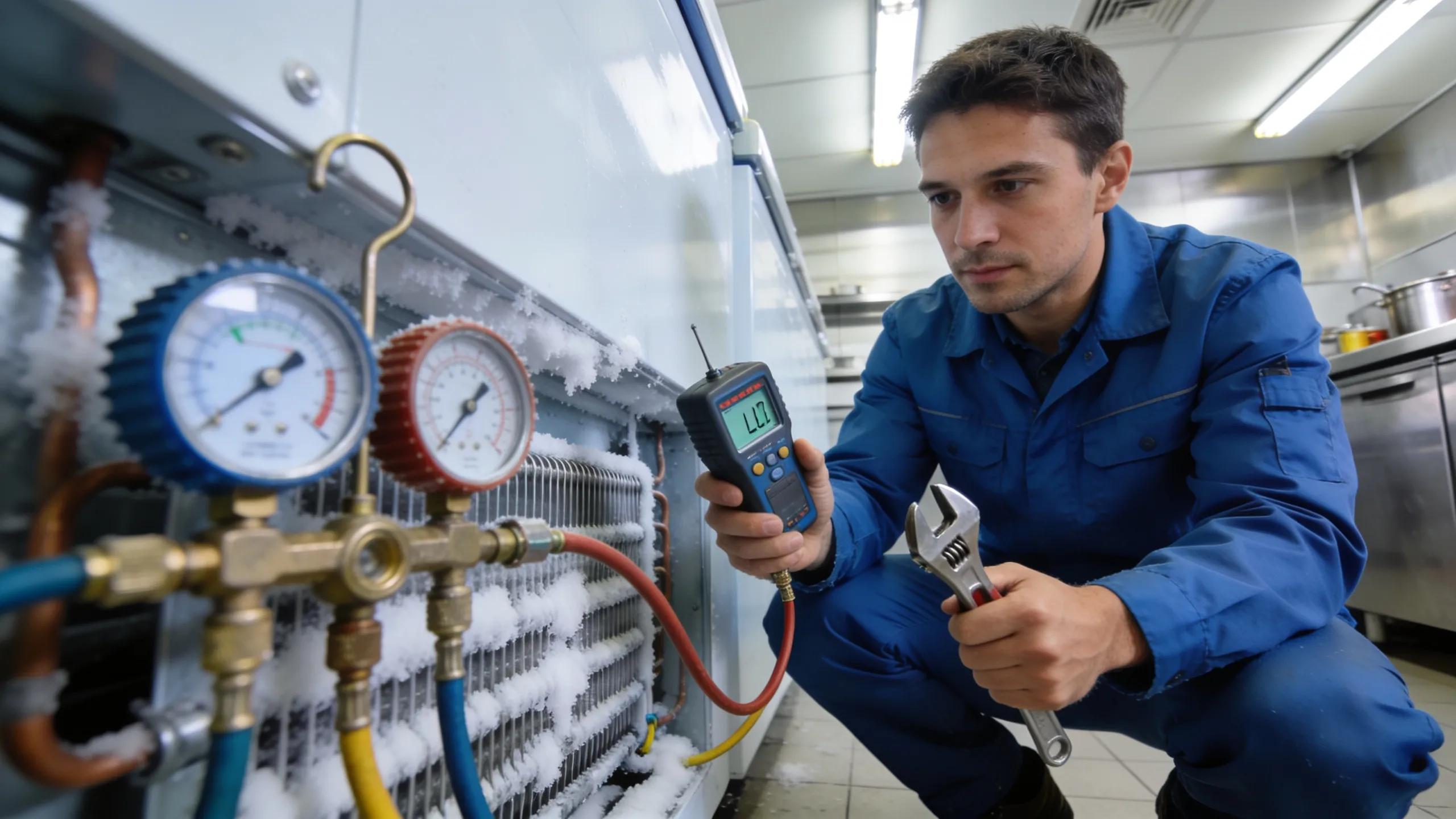
Technician fixing refrigerant leakage in a commercial freezer

When refrigerant leaks, the system can’t hold proper temperatures and must be repaired quickly. Left untreated, leaks cause bigger damage and higher costs, and they can harm the environment—so prompt repair is urgent.

How Quickly Can You Expect Emergency Commercial Freezer Repair Services in Kennewick?

Fast response is crucial in an emergency. Businesses need clear expectations for how quickly help can arrive and begin repairs.

  1. Typical Response Times: Emergency freezer repairs can typically be addressed within 1-4 hours, depending on the specific circumstances and technician availability.
  2. Variability Due to Workload: Response times might vary based on the overall workload of the service provider, especially during peak seasons.
  3. Importance of Timely Repairs: Quick repairs can minimize food spoilage and ensure continuity in business operations, underscoring the value of having a reliable service provider.

Knowing these timeframes helps businesses set realistic expectations and act quickly during urgent situations.

What Is the Typical Response Time for Emergency Freezer Repairs?

Most providers aim to arrive within a 1-4 hour window so businesses can resume operations quickly and limit financial loss.

How Do Skilled HVAC Technicians Manage Urgent Service Calls?

Experienced HVAC technicians prioritise urgent calls, use proven protocols for rapid assessment, and diagnose issues fast to restore service efficiently. Effective duct cleaning also supports HVAC performance and can help prevent related problems.

What Does the Emergency Commercial Freezer Repair Process Involve?

Emergency repairs follow clear steps to identify faults and restore function as quickly as possible.

  1. Initial Diagnosis: Technicians perform an initial examination of the unit, often using specific diagnostic tools to identify faults in the system.
  2. Common Repair Actions: Repair actions may include replacing faulty components, sealing refrigerant leaks, or recalibrating thermostats to restore proper functionality.
  3. Post-Repair Checks: After repairs, technicians conduct checks to ensure that the unit is operating at optimal efficiency, verifying temperature settings are appropriately maintained.

This method reduces the chance of repeat issues by addressing immediate faults and supporting overall system health.

How Are Diagnoses Performed on Industrial Freezers?

Technicians start with visual checks, then test airflow, temperature differences, and system pressures. They use specialized tools to evaluate each component and ensure an accurate diagnosis.

Which Repairs Are Carried Out to Minimize Downtime?

Fast emergency fixes often include compressor replacements, sealing or repairing refrigerant lines, and swapping out faulty thermostats—actions that restore cooling and reduce downtime.

How Can Preventive Maintenance Reduce Emergency Commercial Freezer Repairs?

Well-maintained commercial freezer highlighting preventive maintenance practices

Regular preventive maintenance lowers the risk of sudden failures and emergency calls.

  1. Regular Maintenance Benefits: Regular inspections help in identifying potential issues before they escalate into major problems.
  2. Common Practices for Upkeep: Recommended practices might include routine cleaning of coils, checking refrigerant levels, and testing electrical components.

Sticking to maintenance schedules keeps freezers running efficiently and reduces the chance of costly emergencies.

What Are Recommended Maintenance Practices for Commercial Freezers in Kennewick?

Recommended practices include inspections every six months, cleaning accessible components, and checking temperatures regularly—especially important in Kennewick’s local climate.

How Does Regular Servicing Extend Freezer Lifespan and Efficiency?

Routine servicing cuts wear on key parts, improves efficiency, and saves money by lowering the likelihood of expensive emergency repairs.

What Are the Typical Costs and Service Guarantees for Emergency Repairs in Kennewick?

Knowing typical costs and guarantee terms helps businesses budget and choose the right provider.

  1. Average Costs in the Industry: Costs typically range from $150 to $500 based on the severity of the issue and parts required.
  2. Possible Discounts or Service Contracts: Some providers offer discounts for regular maintenance contracts which can aid in keeping costs manageable.
  3. Guarantee Details from Young’s Heating and Cooling: Young’s Heating and Cooling typically ensures customer satisfaction by offering guarantees on parts and labor for a specified duration.

Many factors affect repair costs; knowing what to expect helps avoid financial surprises.

How Are Emergency Repair Costs Estimated for Commercial Freezers?

Estimates factor in labour, replacement parts, and any service fees. Typically there’s an initial diagnostic charge, followed by the cost of repairs performed.

What Service Guarantees Does Young’s Heating and Cooling Provide?

Young’s Heating and Cooling offers guarantees covering parts and labour for a set period, giving clients reassurance about the quality of repairs.

What Do Kennewick Customers Say About Emergency Commercial Freezer Repair Services?

Customer testimonials reveal how reliable and effective Kennewick repair services are in real situations.

  1. Highlighting Customer Experiences: Many customers praise the rapid response times and effective repairs that minimize food loss.
  2. Emphasizing Quick Service Aspects: Testimonials often mention quick resolution times, which are crucial for maintaining business operations.

Customer feedback helps verify a provider’s credibility and service quality.

Which Testimonials Highlight Rapid and Reliable Emergency Repairs?

Customers often highlight providers that respond fast and fix problems efficiently—details that matter when keeping a business running.

How Have Case Studies Demonstrated Downtime Reduction?

Case studies show that prompt emergency repairs can cut downtime and reduce spoilage, offering practical lessons for handling crises.

Frequently Asked Questions

What preventive measures can businesses take to avoid emergency freezer repairs?

Set a regular maintenance plan: inspect systems every six months, clean coils, check refrigerant and electrical components, and record all work. Train staff to spot warning signs so small issues are fixed before they become emergencies.

What should I do if my commercial freezer breaks down?

First, protect food safety and monitor temperatures. If safe, power down the unit to prevent further damage, then call a qualified HVAC technician. Tell them the symptoms and any troubleshooting steps you tried to speed diagnosis and repair.

Are there specific qualifications to look for in a freezer repair technician?

Look for technicians with refrigeration or HVAC certifications, proven experience with commercial units, and relevant training. Ask about similar emergency work they’ve handled and check customer reviews for reliability.

What are some common misconceptions about commercial freezer repairs?

One myth is that temporary fixes solve the problem—they often only delay the real issue. Another is that maintenance isn’t necessary; skipping it raises failure risk. Also, not all technicians deliver the same quality—experience and certifications matter.

How can businesses determine if their freezer needs an emergency repair?

Watch for warning signs: loud or unusual noises, inconsistent temperatures, excess frost, fluid leaks, or failure to hold required cold. If any occur, contact an HVAC specialist immediately to avoid spoilage and downtime.

What impact do seasonal changes have on freezer performance?

Seasonal shifts affect performance: hotter weather raises workload and energy use, while cold snaps can also create issues for some systems. Schedule checks during seasonal transitions to catch problems early.

Conclusion

Emergency commercial freezer repair cuts downtime and protects businesses from costly losses. Knowing common faults and realistic response times helps companies decide on maintenance and repair plans. Build relationships with dependable HVAC technicians for faster service and smoother operations. Contact us today to learn more about our emergency repair services and keep your commercial equipment running smoothly.

Essential Solutions for Common Refrigeration Repair Issues
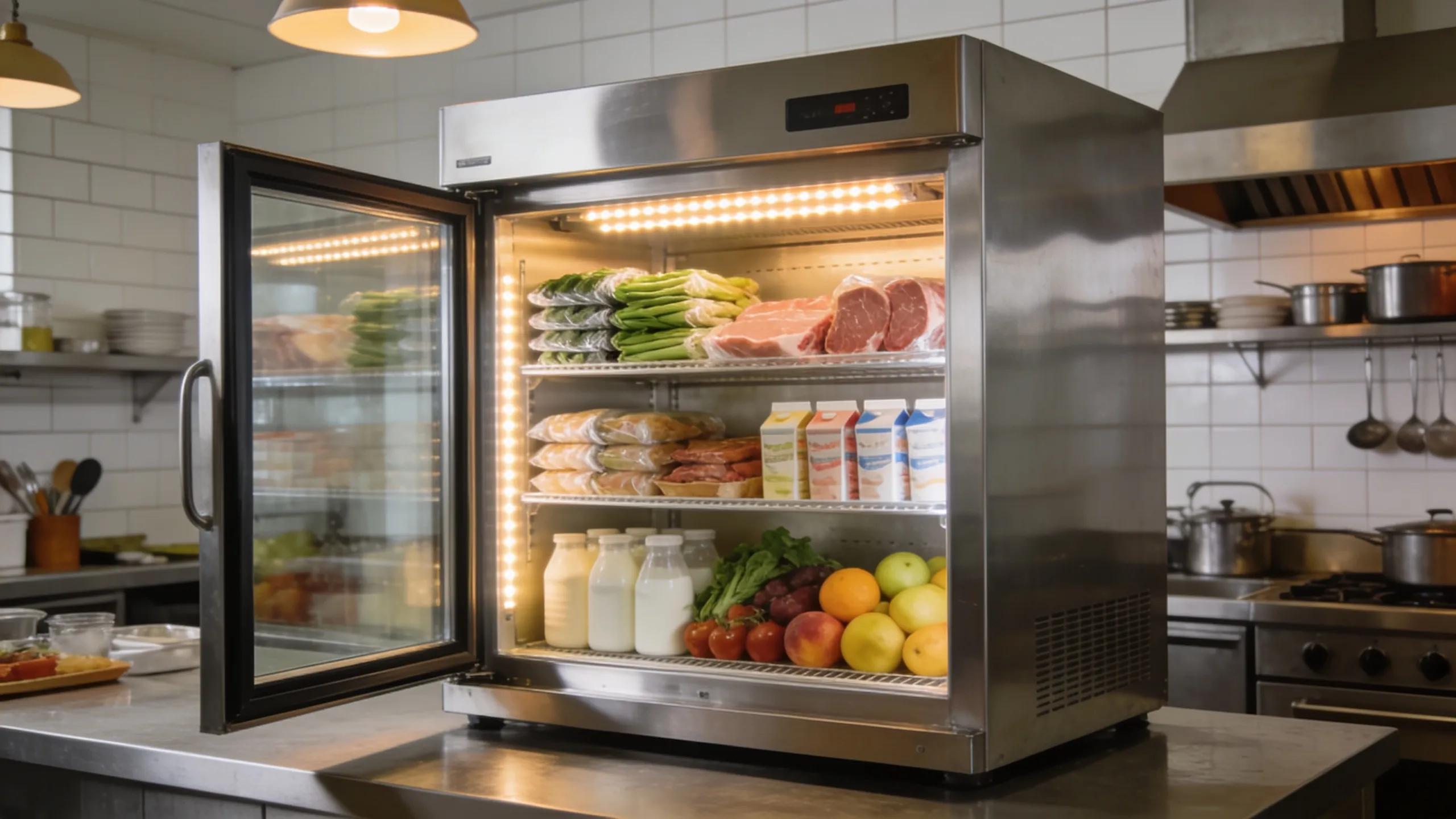
Essential Solutions for Common Refrigeration Repair Issues

Common Refrigeration Repair Issues and Solutions for Businesses: Diagnosing and Fixing Commercial Refrigeration Problems

Effective refrigeration is essential for businesses that rely on cold storage—restaurants, grocery stores, and warehouses. Faults can cause food spoilage and higher operating costs. This article explains common repair issues and practical fixes to help you diagnose and resolve problems quickly. We cover compressor faults, refrigerant leaks, thermostat failures, coil issues, and preventative maintenance. Knowing these issues helps you act faster and keep systems running.

What Are the Most Frequent Refrigeration Compressor Problems?
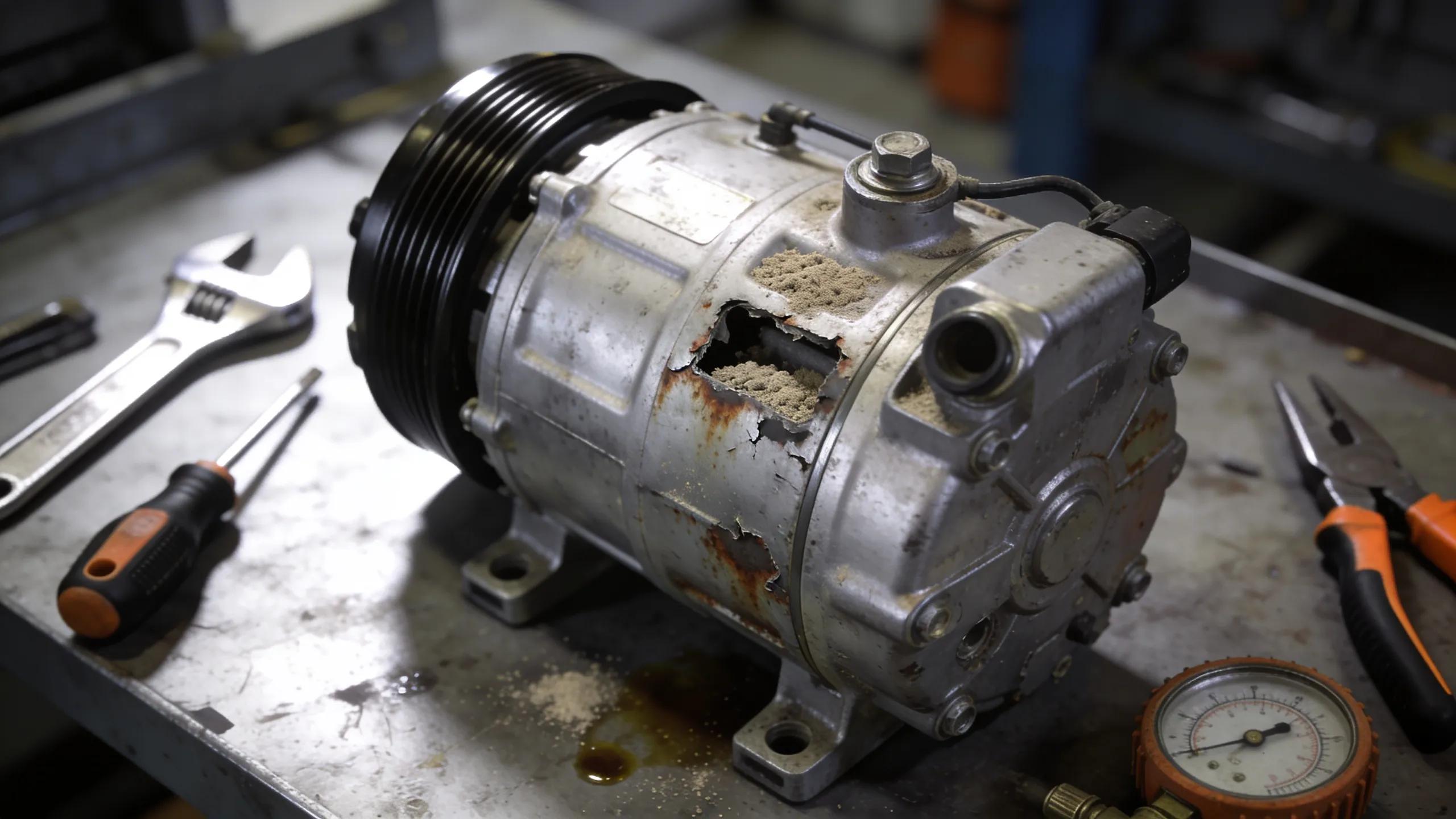
Close-up of a damaged refrigeration compressor in a workshop, illustrating the importance of timely repairs

Compressors keep commercial systems at the right temperature. When they fail, efficiency drops, energy use rises and systems can stop working. Typical signs include odd noises, uneven cooling and frequent cycling. Spotting these signs and applying the right repairs can extend the unit’s service life.

How to Identify Compressor Failure Symptoms in Commercial Refrigeration

Spotting compressor failure early reduces downtime and costly fixes. Key symptoms include:

  1. Loud Noises: Unusual sounds such as clanking, grinding, or hissing can signal internal damage or a malfunction.
  2. Inconsistent Temperatures: Fluctuations in temperature often mean that the compressor is not functioning correctly, potentially affecting product quality.
  3. Increased Energy Bills: A rise in electricity usage may indicate that the compressor is working harder than usual to maintain the desired temperature.

Early detection lets you repair or replace parts before operations suffer.

What Repair Methods Are Available for Compressor Issues?

Repair options depend on the fault. Common approaches include:

  • Compressor Replacement: If the compressor is beyond repair, complete replacement may be necessary. This can be costly, but it ensures the system operates efficiently.
  • Recharging Refrigerant: Sometimes, low refrigerant levels can mimic compressor problems. Recharging the system often resolves the issue without necessitating full compressor replacement.
  • Electrical Repairs: Checking and repairing electrical connections can sometimes solve compressor issues without major replacements.

Work with qualified HVAC technicians to choose the most cost-effective solution for your system.

How Can Refrigerant Leak Detection and Repair Save Your Business?

Refrigerant leaks reduce cooling efficiency, raise costs and pose environmental risks. Prompt detection and repair protect performance and limit losses.

What Are Common Causes and Signs of Refrigerant Leaks?

Refrigerant leaks can stem from various causes:

  1. Physical Damage: Accidental impacts or punctures can lead to leaks, especially in older systems with wear and tear.
  2. Faulty Components: Aging components such as gaskets and seals may deteriorate over time, allowing refrigerant to escape.
  3. Improper Installation: Leaks might occur if systems are not installed correctly, resulting in joint failures.

Signs like frost buildup or hissing indicate leaks and call for immediate attention.

Which Techniques Are Used for Refrigerant Leak Repair?

Common repair techniques include:

  • Sealants: Specialized sealants can be used to fix small leaks temporarily while waiting for more permanent methods.
  • Soldering and Welding: For larger leaks, professionals may use soldering or welding techniques to seal leaks in piping.
  • Replacement of Faulty Parts: Ultimately, if the leaks are detected in components such as evaporators or coils, replacement may be the only long-term solution.

Address leaks quickly to restore efficiency and avoid larger repairs.

Why Is Thermostat and Control System Troubleshooting Crucial?

Thermostats and controls regulate temperature and efficiency. Quick troubleshooting keeps units running smoothly.

How to Diagnose Thermostat Malfunctions in Commercial Refrigeration?

To diagnose thermostat faults, check for:

  • Incorrect Settings: Ensure the thermostat is set to the desired temperature.
  • Broken Connections: Inspect wiring for damages or loose connections that may prevent proper operation.
  • Sensor Issues: A malfunctioning sensor can lead to incorrect temperature readings, causing the system to overwork or underperform.

Catching these issues early lets you act before they escalate.

What Are Effective Solutions for Control System Issues?

Fixes for control issues include:

  • Professional Troubleshooting: Engaging with skilled technicians can help identify underlying issues quickly.
  • Software Updates: Some modern systems may require software updates to function correctly, enhancing overall performance.
  • Replacement of Sensors: Inconsistent temperature readings can often be remedied by replacing faulty sensors.

Maintained controls improve reliability and prevent costly disruptions.

What Are Evaporator and Condenser Coil Problems and Their Solutions?

Evaporator and condenser coils enable heat exchange. When they fail, cooling suffers and efficiency drops, so prompt attention is vital.

How Does Evaporator Coil Freezing Affect Refrigeration Performance?

A frozen evaporator coil can cause:

  • Temperature Fluctuations: Affected cooling performance hampers product preservation efforts.
  • Increased Energy Consumption: A frozen coil causes the system to work harder, increasing energy costs.

Recognizing freezing early lets you prevent major product loss and higher bills.

How to Clean and Repair Evaporator and Condenser Coils Effectively? for duct cleaning

Routine cleaning and maintenance prevent coil problems. Effective steps include:

  • Using Appropriate Cleaning Solutions: Employing no-rinse coil cleaning agents can enhance cleaning processes.
  • Following Safety Precautions: Ensure that the power supply is turned off before commencing cleaning for safety.
  • Scheduled Maintenance: Establishing a routine maintenance schedule can catch problems before they escalate.

Clean coils keep systems efficient and reliable.

How Do Preventative Maintenance Practices Extend Refrigeration System Life?
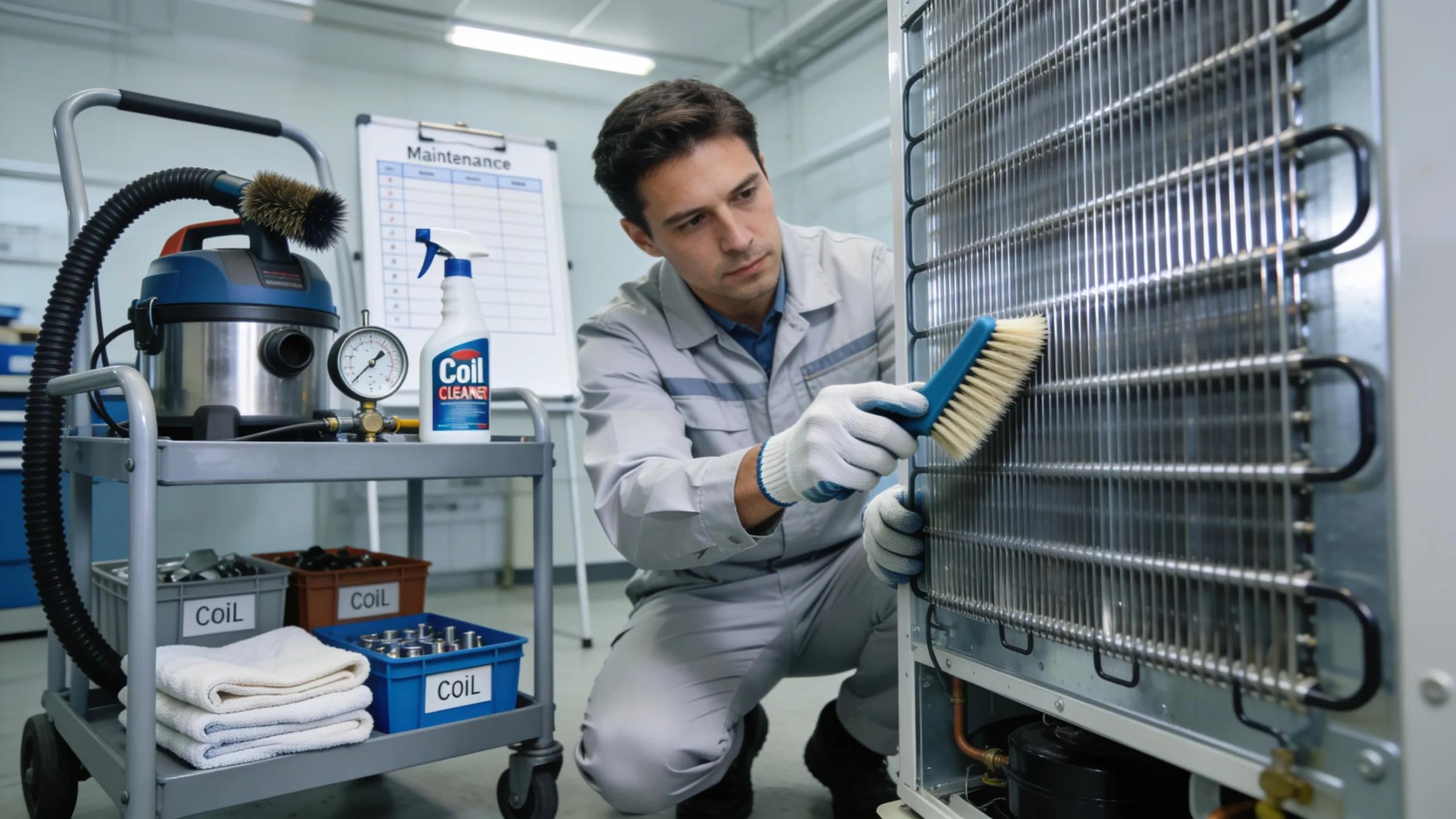
HVAC technician conducting preventative maintenance on a refrigeration system, showcasing optimal maintenance practices

Preventative maintenance extends system life, cuts repair costs and improves efficiency.

What Are Essential Commercial Refrigeration Maintenance Best Practices?

Essential practices include:

  1. Regular Inspections: Conducting frequent checks for leaks, wear, and tear can prevent major breakdowns.
  2. Scheduled Filter Changes: Regularly changing air filters ensures system efficiency and cleanliness.
  3. Cleaning Coils: Keeping both evaporator and condenser coils clean enhances heat exchange processes.

Following these steps lowers the chance of major repairs.

Why Are Energy-Efficient Repairs Important for Business Savings?

Energy-efficient repairs save money over time by:

  • Lower Energy Costs: Efficient systems consume less electricity, reducing operational expenses.
  • Reduced Environmental Impact: Utilizing modern, energy-efficient solutions is environmentally friendly, aligning with sustainable practices.
  • Increased Reliability: Upgrading aging components ensures improved performance and reliability, safeguarding your investment.

Repairs that prioritize energy efficiency deliver savings and support sustainable operations. For comprehensive HVAC services, consider options that keep your systems running at peak performance.

What Are Common Customer Questions About Commercial Refrigeration Repair?

Businesses often ask the same questions about refrigeration. Clear answers help operators take proactive steps.

How Do I Know When My Refrigeration Unit Needs Repair?

Signs your unit needs repair include:

  1. Unusual Noises: Frequent or loud noises are often a primary sign of mechanical issues.
  2. Temperature Instability: Noticing fluctuations outside the set parameters may signal a problem that requires attention.
  3. High Energy Bills: A sudden increase in energy costs can indicate operational inefficiencies.

Monitoring them lets you schedule repairs before failures occur.

Why Is My Refrigerator Freezing Up and How Can It Be Fixed?

Freezing often stems from:

  • Incorrect Thermostat Settings: Ensuring the thermostat is correctly set can prevent freezing.
  • Clogged Air Vents: Ensuring proper airflow through the vents is essential for maintaining temperature regulation.
  • Faulty Components: In cases where the issue persists, professional assessment may be required.

Addressing these issues promptly keeps systems efficient and protects stored goods.

Frequently Asked Questions

What Should I Do If My Commercial Refrigerator Is Making Loud Noises?

Check the source: grinding or clanking often points to the compressor or fan. Inspect for loose parts or debris. If the noise persists, call a professional technician for diagnosis and repair—ignoring it can lead to bigger failures.

How Often Should I Schedule Maintenance for My Commercial Refrigeration Unit?

Schedule maintenance at least twice a year for optimal performance. Regular inspections catch leaks, worn parts, and inefficiencies. Some businesses may need more frequent checks based on usage and conditions. A routine plan extends equipment life and protects inventory.

Can I Use Household Cleaners to Maintain My Refrigerator Coils?

Do not use household cleaners on coils—residues can reduce efficiency. Use specialised no-rinse coil cleaning solutions designed for refrigeration units and turn off power before cleaning. Regular coil cleaning improves energy efficiency and overall performance.

What Are the Risks Of Ignoring Refrigerant Leaks?

Ignoring refrigerant leaks lowers cooling efficiency, raises energy bills, and risks product damage. Many refrigerants also harm the environment, and prolonged low levels can lead to compressor failure. Prompt detection and repair protect efficiency and support compliance with environmental regulations.

What Temperature Should My Commercial Refrigerator Be Set To?

Set commercial refrigerators between 35°F and 38°F (1.6°C to 3.3°C). This range slows bacterial growth while maintaining product quality. Monitor temperatures with a reliable thermometer and adjust based on stored items or manufacturer guidance.

How Long Does a Commercial Refrigerator Typically Last?

A commercial refrigerator typically lasts 10 to 15 years, depending on usage, maintenance, and unit quality. Preventative maintenance and timely repairs can extend service life. Staying proactive reduces the risk of performance drops and failures.

What Are Signs That My Thermostat Is Malfunctioning?

Signs of a faulty thermostat include inconsistent temperatures, frequent cycling, or an unresponsive display. Regular checks and calibration prevent inefficient operation and help ensure goods are stored at safe temperatures.

Conclusion

Knowing common refrigeration issues and their fixes protects operations and product quality. Timely action lowers repair costs, boosts energy efficiency, and extends equipment life. Implement the preventative measures discussed to reduce unexpected downtime. For comprehensive HVAC services that keep your refrigeration systems in peak condition, explore our offerings today.