Recognize the Signs Your Freezer Needs Repair in Kennewick
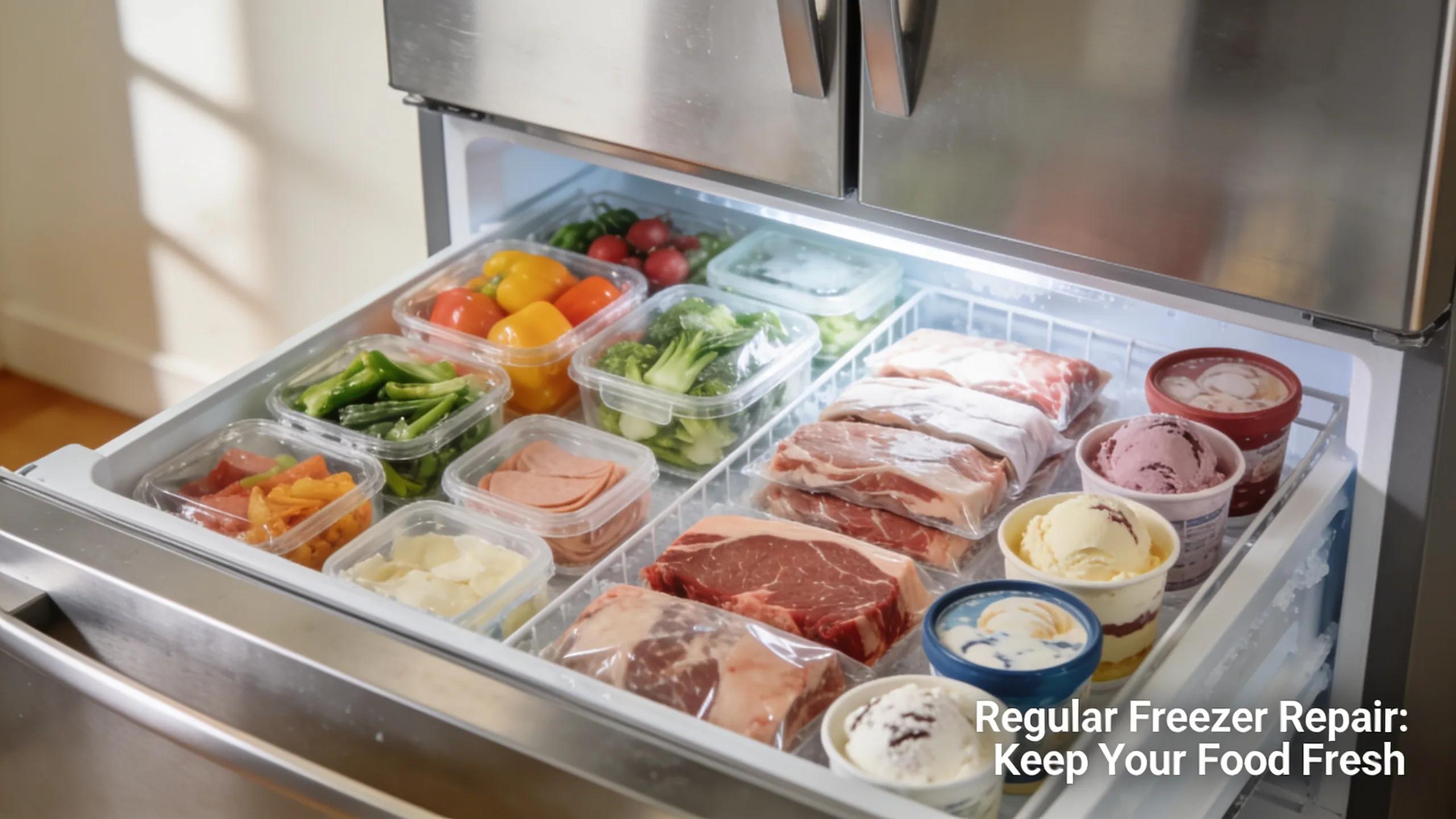
Signs Your Freezer Needs Repair in Kennewick: How to Identify and Act on Freezer Problems
Freezers keep food safe by holding a steady low temperature, but they can break down over time. Knowing the warning signs helps you avoid spoilage and bigger repairs. This guide shows common freezer problems, how to spot them, and what steps to take. It also explains how Youngs Heating and Cooling can help with professional freezer repairs in Kennewick.
What Are the Common Signs Your Freezer Is Not Freezing Properly?
Spotting freezer issues early prevents food loss and costly fixes. Key signs include temperature swings, odd noises, and excess frost. Notice any of these and act quickly.
How to Recognize Freezer Temperature Issues and Fluctuations
Inconsistent temperatures are an early sign of trouble. When your freezer can’t hold the right cold, food can spoil. Watch for these clues:
- Food Freezing: If items aren’t solidly frozen, it could be the compressor or thermostat.
- Ice Crystals: Frost on food or in the air means the defrost cycle may be failing.
Check the internal temperature regularly to protect food quality. If temps keep changing, investigate the cause right away.
What Noises Indicate Freezer Malfunctions?
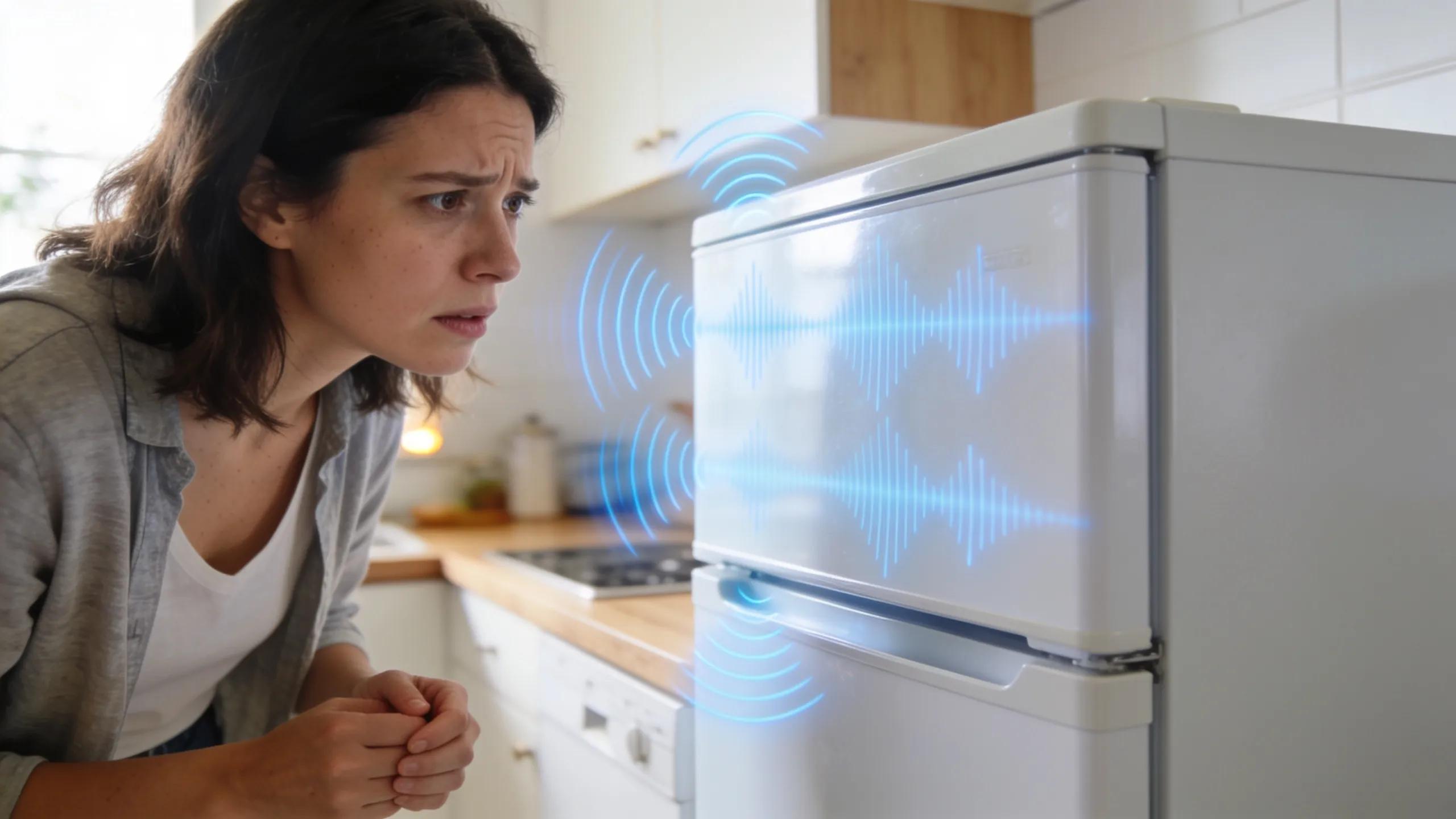
Freezers are usually quiet, so new sounds often mean a problem. Common warning noises include:
- Buzzing or Clicking: Could point to compressor or electrical issues.
- Hissing: May indicate a refrigerant leak or cooling system fault.
- Loud Clunking: Often a sign of a failing fan or motor.
If you hear strange noises, check the unit and get professional help if the sounds continue.
Which Symptoms Suggest Your Freezer Requires Professional Repair?
Some problems you can troubleshoot, but others need a technician. Knowing which symptoms call for professional repair helps you avoid bigger damage.
How Does Frost Build-Up Signal a Repair Need?
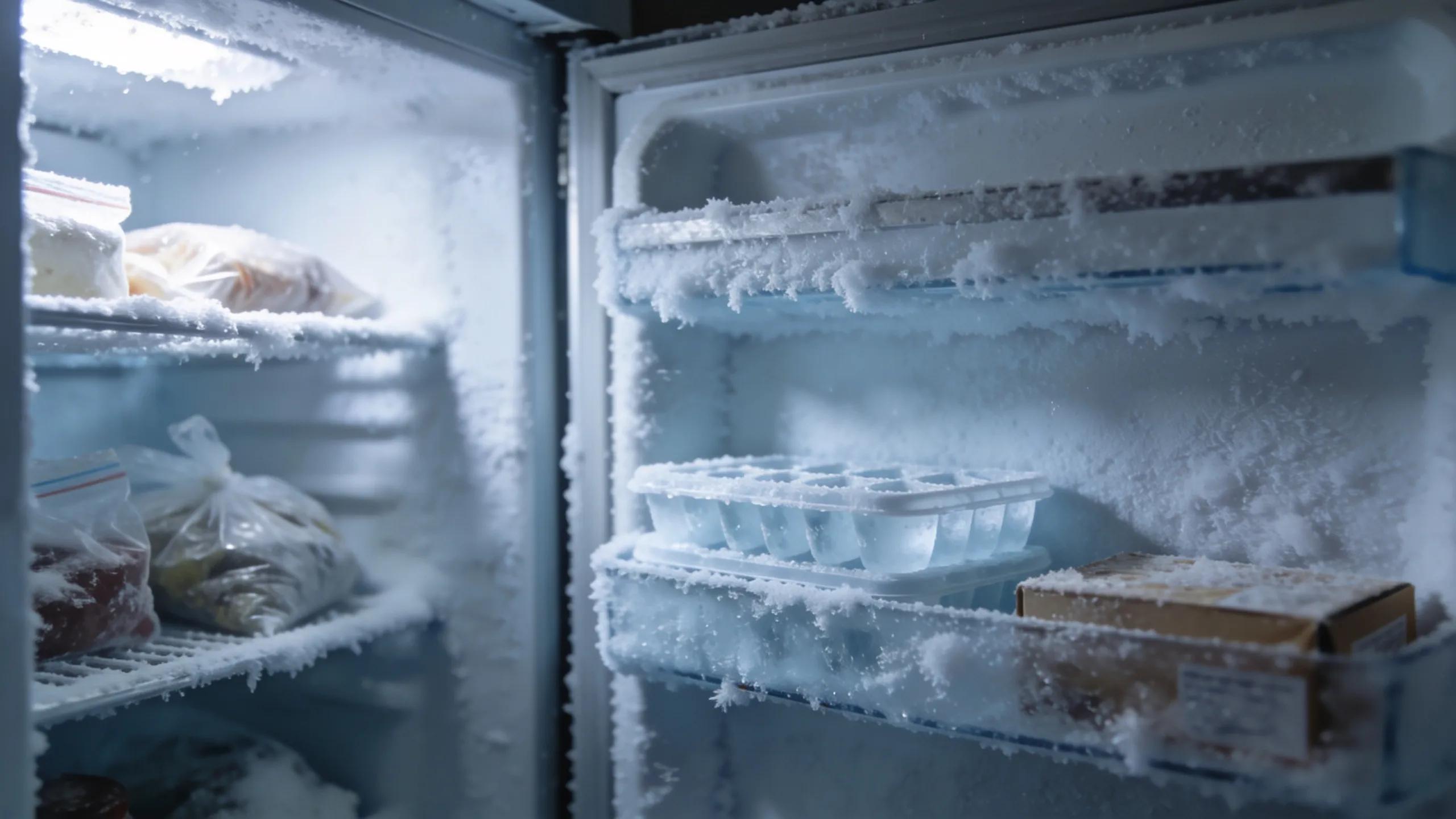
Excess frost isn’t just messy — it reduces performance. Persistent frost can mean:
- The door seal is damaged: Warm air leaking in creates more frost.
- The defrost heater is malfunctioning: If it won’t heat, frost won’t melt during cycles.
Don’t ignore frost build-up. It shrinks storage space and harms cooling efficiency, so fix it quickly.
What Does Water Leakage Reveal About Freezer Issues?
Water pooling around your freezer signals a problem. Common causes include:
- Clogged defrost drains: Blocked drains cause water to pool instead of draining away.
- Damaged water lines: Ice makers or dispensers with broken lines can leak.
Leaks can cause home damage, so get a professional check to correct the issue and prevent further problems.
How Can Youngs Heating and Cooling Help With Freezer Repair in Kennewick?
Fixing freezer problems quickly prevents food loss and more damage. Youngs Heating and Cooling offers diagnosis and repair services in Kennewick to get your freezer working properly again.
What Repair Services Are Offered for Common Freezer Problems?
Youngs Heating and Cooling handles a range of freezer repairs, such as:
- Compressor replacement: Restores proper cooling.
- Thermostat repairs: Ensures accurate temperature control.
- Defrost system repairs: Stops frost build-up and water issues.
Their technicians have the skills to diagnose and fix common freezer faults effectively.
How to Schedule Service and Request a Free Quote Easily?
Scheduling service is simple. Contact Youngs Heating and Cooling to request a free quote and arrange an appointment so your freezer returns to optimal performance.
When Should You Call a Professional for Freezer Repair in Kennewick?
Knowing when to call a pro saves time and money. Some situations require immediate professional attention.
Which Emergency Repair Situations Require Immediate Attention?
Urgent problems include:
- Total system failure: A non-working freezer puts food at risk of spoiling.
- Severe leaks: Standing water can damage floors and encourage mould.
Address these issues promptly with a professional to reduce risks to your home and food.
Why Is Professional Diagnosis Important for Freezer Issues?
Technicians can spot complex faults that aren’t obvious. A professional diagnosis provides:
- Safe and effective repairs: Work on electrical parts and refrigerant systems needs specialist skills.
- Long-term solutions: Proper fixes help the appliance run well for years.
Investing in professional evaluation helps maintain reliable freezer performance over time.
What Maintenance Tips Prevent Freezer Problems and Extend Appliance Life?
Regular maintenance keeps your freezer efficient and extends its life. A few routine checks go a long way.
How to Perform Routine Freezer Care and Troubleshooting
Basic care includes simple tasks like:
- Regular Temperature Checks: Keep the internal temperature at or below 0°F (-18°C).
- Cleaning the Coils: Dusty coils reduce efficiency; clean them twice a year.
- Inspecting Door Seals: Look for tears or gaps that let warm air in.
These small steps can significantly boost performance and life span.
Which Energy-Saving Practices Improve Freezer Efficiency?
Energy-smart habits help your freezer and your bills. Try these tips:
- Limit Door Openings: Open the door less often and for shorter periods.
- Store Food Correctly: Arrange items to allow airflow around them.
- Keep the Freezer Full: A fuller freezer holds cold better, but don’t block airflow.
Using these practices improves cooling and lowers energy use.
This table lists key maintenance tasks to keep your freezer running smoothly. Regular care extends its life and improves performance.
Use professional services when needed, keep up with routine maintenance, and apply energy-saving practices to ensure your freezer stays reliable. For full home services, consider Youngs Heating and Cooling.
Frequently Asked Questions
1. How often should I check the temperature of my freezer?
Check your freezer’s temperature at least once a week. Make sure it stays at or below 0°F (-18°C) to prevent food spoilage and spot fluctuations early.
2. What steps can I take if my freezer is too noisy?
If your freezer is noisy, first make sure it sits level and stable. Check the condenser fan and compressor for visible issues. If noise continues after these checks, call a technician to avoid further damage.
3. Can I fix frost build-up myself, or should I call a professional?
Small frost problems can be fixed by defrosting and checking the door seal. But regular or heavy frost usually means the defrost system is faulty and needs a professional repair.
4. What are the signs of a failing compressor in my freezer?
Signs of a failing compressor include poor cooling, clicking or buzzing noises, and noticeable heat around the compressor area. If you see these, contact a technician promptly because compressor issues can be costly.
5. Are there specific maintenance tasks I should perform regularly on my freezer?
Yes. Clean the condenser coils every six months, inspect door seals monthly, and check the temperature weekly. These tasks improve efficiency and prolong the freezer’s life.
6. How can energy efficiency practices benefit my freezer?
Reducing door openings, organising food for airflow, and keeping the freezer reasonably full help it maintain steady temperatures. These habits lower energy use and reduce running costs.
7. When is it necessary to replace my freezer instead of repairing it?
If repairs are frequent, especially to major parts like the compressor, replacement may be more cost-effective. Other reasons to replace include an older appliance (typically over 10–15 years), poor energy efficiency, or persistent frost despite repairs. A professional can advise based on your situation.
Conclusion
Catch freezer problems early to avoid food loss and extend the appliance’s life. Spot the common signs, seek professional help from companies like Youngs Heating and Cooling when needed, and follow simple maintenance and energy-saving steps. Don’t wait for a breakdown—take action to keep your freezer running well.