Is Your Heating System Failing? Signs You Shouldn’t Ignore
When it comes to What Are the Signs My Heating System Needs Immediate Repair or Replacement?, warning signs include Recognize the Signs Your Freezer Needs Repair in Kennewick, 6 Key Signs Your Commercial Refrigeration Needs Repair Now, rising energy bills, frequent cycling, and a system older than 10-15 years. Young’s Heating and Cooling has served Kennewick, Pasco, and Richland homeowners, diagnosing whether furnaces, boilers, or heat pumps need repair or full replacement before winter breakdowns strike.
Is Your Heating System Telling You Something’s Wrong?
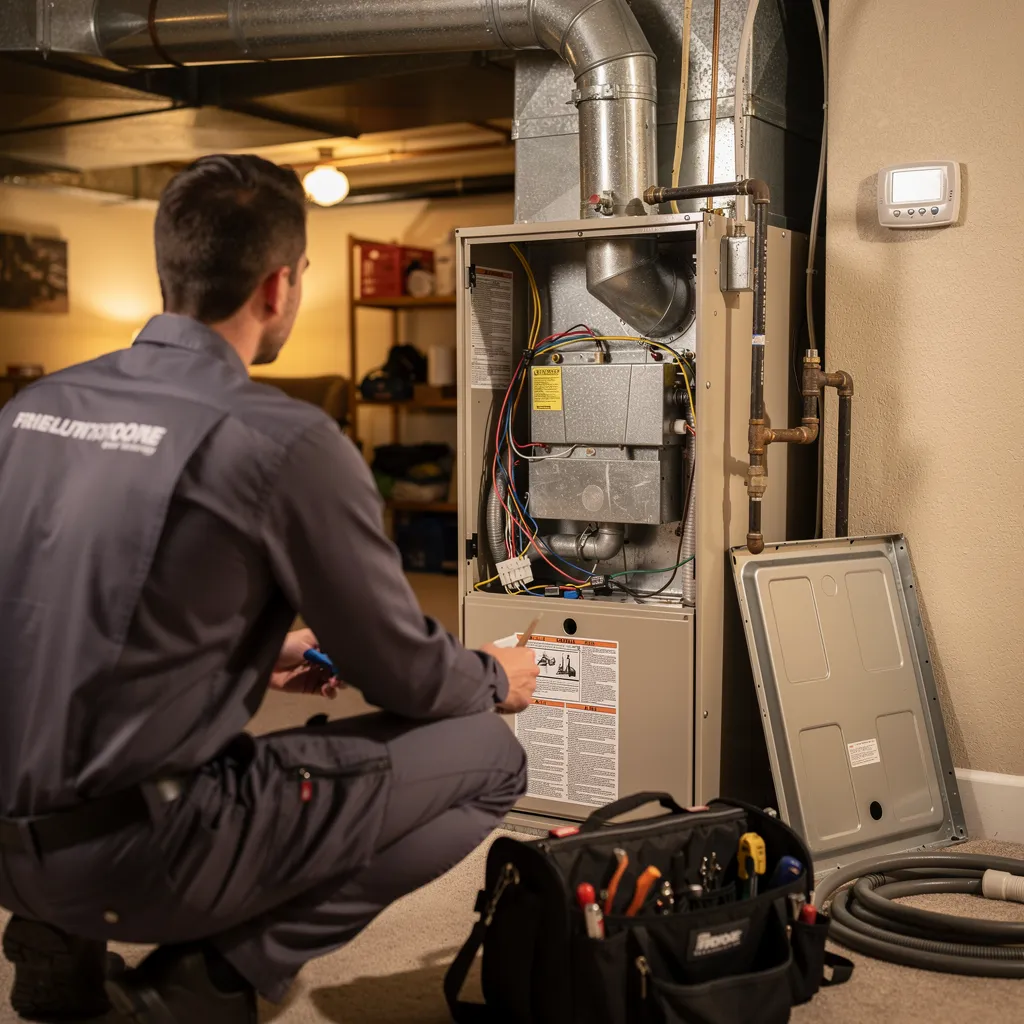
A heating system that makes odd noises, runs constantly without warming the home, or cycles on and off too frequently signals trouble. Young’s Heating and Cooling has served Kennewick, Pasco, Richland, and surrounding Tri-Cities communities, helping homeowners distinguish between minor repairs and major failures. Ignoring small issues can quickly lead to costly breakdowns or safety hazards, especially during extreme winter weather. Recognizing early warning signs saves homeowners discomfort, money, and stress.
What Noises Should Homeowners Never Ignore?
Banging, screeching, or rumbling sounds from a furnace or boiler indicate mechanical problems. A banging noise often points to a delayed ignition or loose component inside the burner assembly. Screeching typically means a blower motor bearing has failed or the belt needs replacement. Rumbling may signal dirty burners or a gas pressure issue. Any of these sounds warrants a professional inspection before the system fails completely.
How Does Uneven Heating Signal a Problem?
Cold spots in one room while another feels overheated suggest ductwork issues, a failing blower motor, or a zoning system malfunction. A properly functioning heating system distributes warm air evenly throughout the home. When some rooms stay cold, the system works harder and consumes more energy without delivering comfort. This inefficiency increases monthly utility bills and accelerates wear on critical components.
Key warning signs that require immediate attention:
Strange noises (banging, screeching, rumbling) from the furnace or boiler
Uneven heating with cold spots in specific rooms
Frequent cycling — the system turns on and off more than normal
Rising energy bills without changes in thermostat settings
Yellow pilot light instead of blue, indicating incomplete combustion
Strange noises (banging, screeching, rumbling) from the furnace or boiler
Uneven heating with cold spots in specific rooms
Frequent cycling — the system turns on and off more than normal
Rising energy bills without changes in thermostat settings
Yellow pilot light instead of blue, indicating incomplete combustion
Young’s Heating and Cooling employs NATE-certified technicians and backs every repair with a a notable share satisfaction guarantee. Homeowners who catch these signs early avoid emergency breakdowns and extend their system’s lifespan.
What Noises Mean Your Heater Needs Immediate Repair?
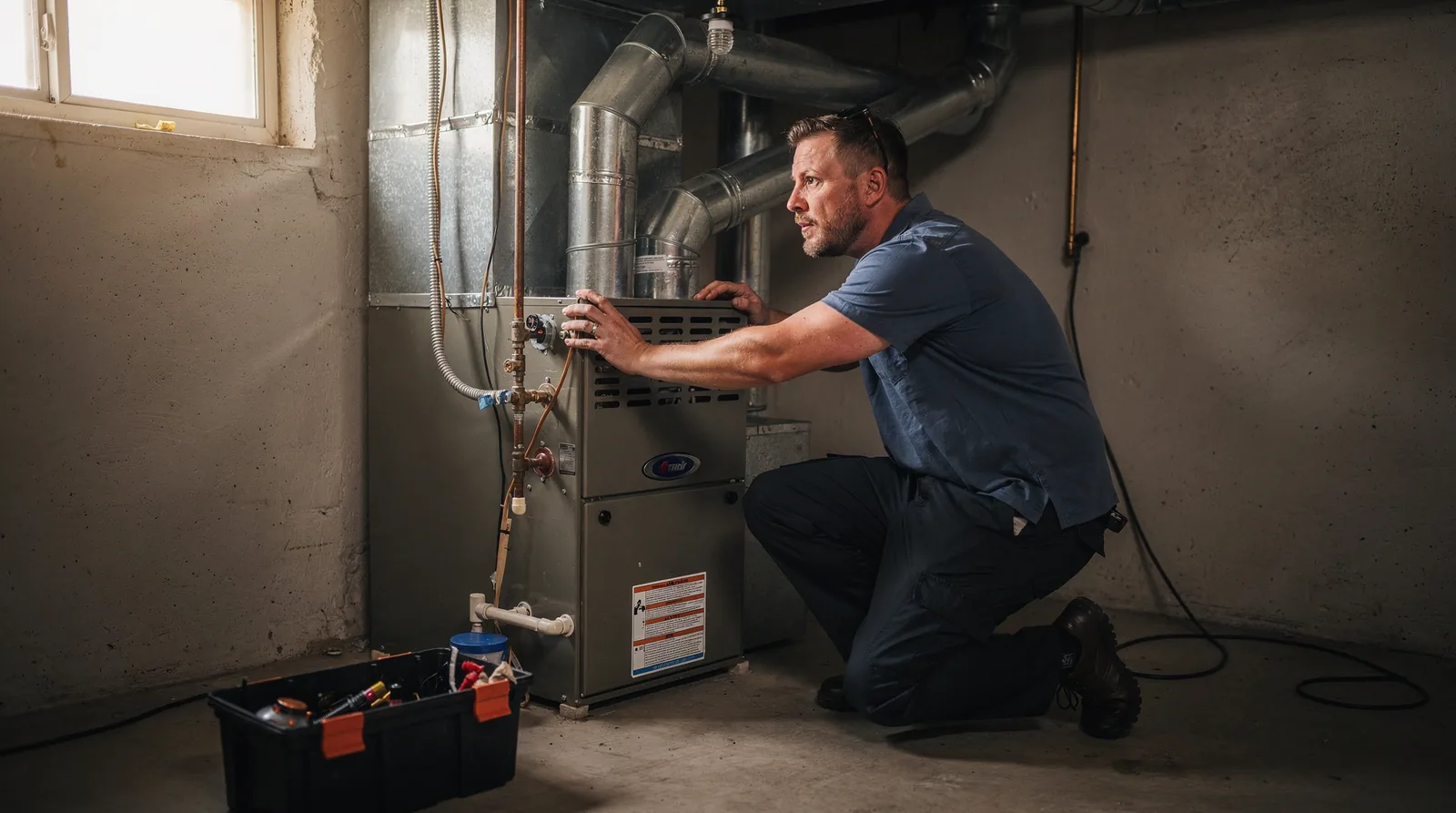
A heating system that suddenly starts banging, screeching, or grinding is sending a distress signal. These strange noises rarely resolve on their own and typically point to internal problems that need professional attention. Ignoring the sounds allows minor wear to become a major breakdown, often at the worst possible time.
Why Do Furnaces and Boilers Make Noise?
Normal operation produces a soft whoosh of air or a gentle burner hum. Anything louder or more rhythmic breaks that pattern. Banging often signals delayed ignition or loose ductwork, while screeching usually points to a failing blower motor or worn bearings. Grinding and whistling indicate components under stress or airflow restrictions. Each sound traces back to a specific mechanical issue inside the unit.
What Should a Homeowner Do When Noises Start?
Addressing the noise early prevents a small repair from escalating into a full system failure. A homeowner who waits risks losing heat entirely on the coldest night of the season.
Turn off the heating system at the thermostat to stop further strain on failing parts.
Check the air filter and replace it if dirty, since restricted airflow causes whistling sounds.
Inspect visible ductwork for loose panels or rattling sections that a screw can secure.
Schedule a professional inspection when the noise persists after basic checks.
Turn off the heating system at the thermostat to stop further strain on failing parts.
Check the air filter and replace it if dirty, since restricted airflow causes whistling sounds.
Inspect visible ductwork for loose panels or rattling sections that a screw can secure.
Schedule a professional inspection when the noise persists after basic checks.
When Is a Noise an Emergency?
Loud banging or metallic screeching warrants immediate attention. These sounds indicate parts that are actively failing, not just wearing. Young’s Heating and Cooling provides fast heating repairs with NATE-certified technicians who diagnose and fix noise issues quickly. cite-2 Their team identifies the root cause and restores quiet, reliable operation before the system quits entirely.
Are Rising Energy Bills a Sign to Replace Your System?
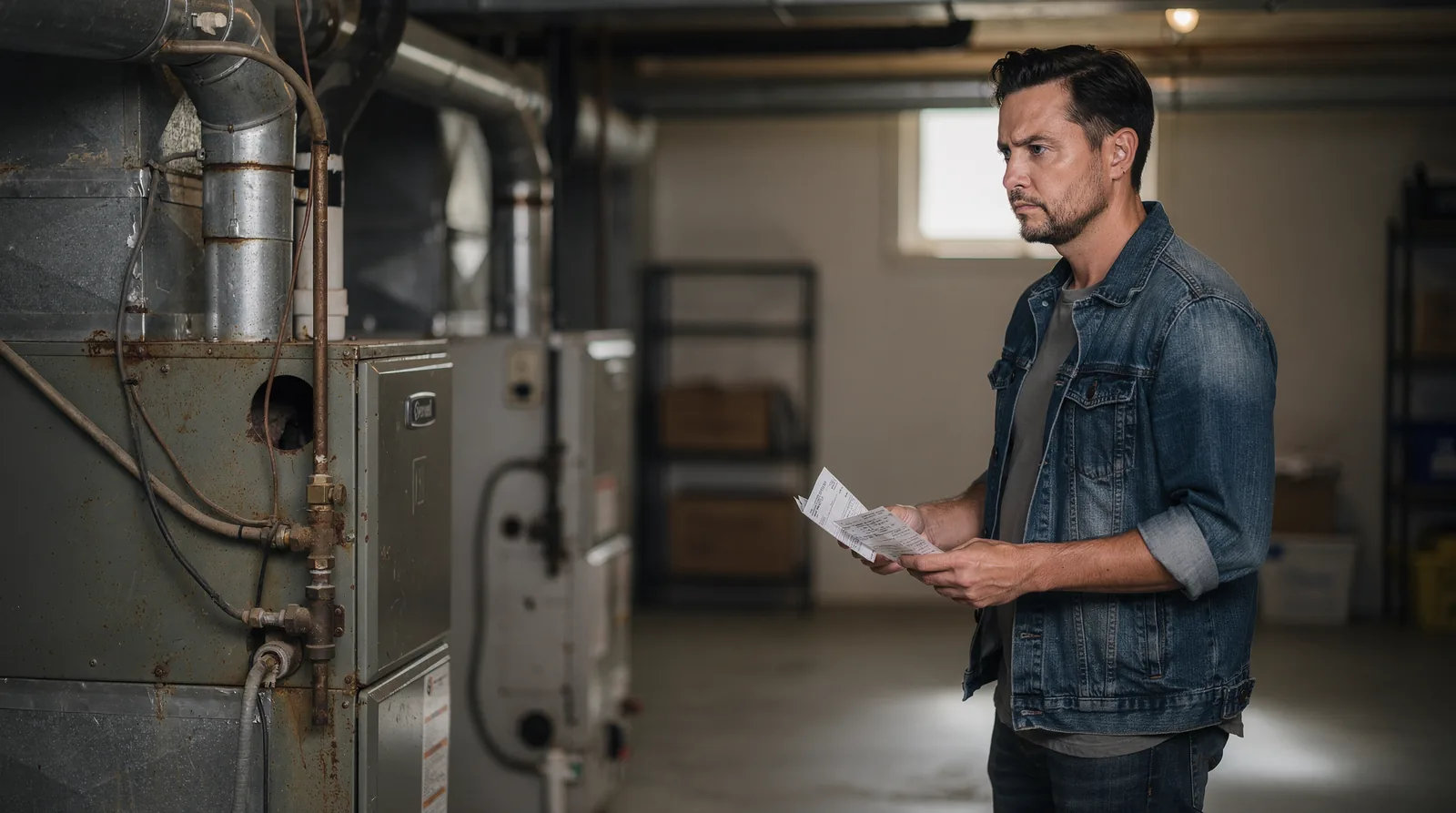
Rising energy bills often signal that an older heating system has lost efficiency and may need replacement rather than repair. As heating equipment ages, its performance degrades naturally, forcing the unit to work harder and consume more fuel to deliver the same warmth. Homeowners who notice steady increases in monthly utility costs despite regular maintenance should consider this a red flag that the system is no longer operating as designed.
How Does Age Affect Heating System Efficiency?
Older heating models are far less energy efficient than today’s advanced systems. A boiler or furnace over a decade old may struggle to meet household heating demands, wasting energy and driving up utility bills in the process. To keep up with demand, an aging system burns extra fuel, which translates directly into higher monthly costs for the homeowner.
What Options Does Young’s Heating and Cooling Offer for Replacement?
Young’s Heating and Cooling provides high-quality replacement products designed to restore efficiency and lower heating expenses. The company offers multiple rebate options to help offset the upfront cost of a new system. Replacing an inefficient unit can reduce monthly heating costs while improving overall home comfort.
Key signs that rising bills point toward replacement:
System is more than 10-15 years old
Energy costs climb significantly year over year without rate changes
Repairs become frequent and expensive
Home feels unevenly heated despite the system running constantly
System is more than 10-15 years old
Energy costs climb significantly year over year without rate changes
Repairs become frequent and expensive
Home feels unevenly heated despite the system running constantly
Homeowners facing these indicators benefit from consulting a professional technician. A thorough evaluation determines whether repair or replacement delivers the best long-term value. Investing in a modern, high-efficiency system typically pays for itself through lower utility bills within a few heating seasons.
How to Decide Between Repair and Replacement Step by Step?
A structured approach helps homeowners avoid costly mistakes when a heating system starts failing. The decision comes down to four key factors: system age, repair cost percentage, breakdown frequency, and a professional diagnosis. Following these steps prevents throwing money at an aging unit that needs replacement.
Step 1: Check the Age of the System
Heating equipment older than 10 to 15 years often struggles to meet household demands efficiently. A boiler or furnace over a decade old may not deliver the same performance as modern units. Older systems also lose efficiency year after year, driving up monthly energy bills. If the unit falls into this age range, replacement becomes a stronger candidate than repair.
Step 2: Evaluate Repair Costs Against Replacement
Compare the cost of the needed repair to the price of a new system. When repairs exceed 50 percent of a replacement cost, investing in a new unit makes better financial sense. This rule alone can save homeowners hundreds or even thousands of dollars over the next few years. Young’s Heating and Cooling provides clear, itemized estimates so customers see the full picture before deciding.
Step 3: Consider Breakdown Frequency
Multiple service calls in a single heating season signal deeper problems. A system requiring repeated repairs wastes money and creates safety risks. Ignoring small issues leads to costly breakdowns or even hazardous conditions inside the home.
Step 4: Schedule a Professional Inspection
A trained technician delivers a definitive diagnosis and a side-by-side cost comparison. Homeowners deserve honest recommendations and fast response times from a trusted local team. Young’s Heating and Cooling offers professional inspections backed by a 100 percent satisfaction guarantee.
How does breakdown frequency affect the repair-versus-replace decision?
A system needing two or more repairs within one winter season has likely reached the end of its reliable service life. Each additional repair adds cost without addressing the underlying wear across the entire unit. Replacing the system eliminates the cycle of recurring failures and restores dependable warmth.
What should a homeowner expect from a professional inspection?
The technician checks the heat exchanger, burner assembly, blower motor, and electrical connections for signs of failure. Customers receive a written estimate showing repair costs versus replacement options with no pressure to choose either path. This honest approach helps homeowners make an informed decision based on facts, not guesswork.
What Common Mistakes Should You Avoid With Heating Repairs?
Homeowners often make several critical errors when their heating system starts showing trouble. These mistakes turn minor issues into expensive emergencies. Recognizing what not to do saves money and prevents dangerous situations.
Mistake 1: Delaying Repairs After Warning Signs Appear
Ignoring uneven heating or strange smells ranks as the most common error. Many homeowners hope the problem resolves itself. This delay frequently leads to complete system failure on the coldest night of the year. Addressing warning signs early prevents costly repairs and extends the system’s lifespan.
Mistake 2: Ignoring Safety Hazards
Gas odors or suspected carbon monoxide require immediate professional attention. Some homeowners attempt to ventilate the area and wait. This approach creates serious health risks for everyone in the home. Calling a technician immediately when these hazards appear protects the household.
Mistake 3: Attempting DIY Repairs on Complex Systems
Modern heating systems involve intricate components and precise calibrations. DIY attempts often void manufacturer warranties and create additional damage. Safety risks increase significantly when untrained hands work on gas lines or electrical connections. Experienced technicians possess the training to handle these systems properly.
Mistake 4: Skipping Annual Maintenance
Regular tune-ups catch small problems before they become major repairs. Skipping this simple step reduces system efficiency and shortens equipment lifespan. Preventative maintenance plans keep systems running reliably year-round.
What should homeowners do instead of attempting DIY heating repairs? Homeowners should contact a professional service provider immediately when problems arise. Young’s Heating and Cooling offers preventative maintenance plans designed to extend system life and reduce unexpected breakdowns. These plans include regular inspections that catch issues early.
How often should heating systems receive professional maintenance? Annual maintenance visits keep systems operating at peak efficiency. This single appointment prevents most emergency repair situations and maintains manufacturer warranty requirements.
Recognizing these warning signs early protects your home’s comfort and prevents costly emergency repairs down the road. Whether your system needs a professional tune-up or a complete replacement, addressing heating problems promptly keeps your family warm through Washington’s cold months. Young’s Heating and Cooling stands ready to evaluate your equipment, explain your options honestly, and deliver the reliable service that has earned our reputation across the Tri-Cities. Trust your heating concerns to technicians who prioritize your home’s safety and efficiency.
FAQ
How do I know if my heating system needs repair or replacement?
Watch for strange noises, uneven heating, rising energy bills, frequent cycling, and a system older than 10-15 years. Young’s Heating and Cooling diagnoses these issues for Kennewick, Pasco, and Richland homeowners before winter breakdowns strike.
What noises indicate my furnace or boiler needs attention?
Banging points to delayed ignition or a loose burner component, screeching signals a failing blower motor or worn bearings, and rumbling suggests dirty burners or gas pressure issues. Each sound requires professional inspection.
Why does my heating system create cold spots in certain rooms?
Uneven heating results from ductwork issues, a failing blower motor, or a zoning system malfunction. The system works harder without delivering comfort, raising utility bills and accelerating wear on components.
Conclusion
Knowing the difference between a minor heating hiccup and a system on its last legs comes down to paying attention to the signals: strange noises, uneven heating, climbing energy bills, frequent cycling, and a unit pushing past the 10-15 year mark. Run those signs through the age, cost, frequency, and inspection checklist, and the repair-or-replace decision becomes far less stressful.
Waiting rarely makes a heating problem cheaper or safer to fix. Whether the fix is a simple repair or a full system upgrade, acting on early warning signs protects your home’s comfort, your budget, and your family’s safety through the coldest Tri-Cities months. Young’s Heating and Cooling remains ready to inspect, diagnose, and give homeowners an honest recommendation they can act on with confidence.