Blog

Top Common Heating System Repair Problems You Should Know

Common Heating System Repair Issues Homeowners Face: Troubleshooting Furnace, Heat Pump, Boiler, and Thermostat Problems

Cozy living room with a modern heating system emphasizing winter comfort

Heating systems are the backbone of winter comfort, and common heating system repair issues can quickly turn a warm home into a safety and comfort problem if you don’t know how to diagnose them. This guide explains how furnaces, heat pumps, boilers, and thermostats work at a high level, then walks through practical troubleshooting steps that homeowners can perform safely. You will learn symptom-to-cause mappings, quick DIY checks for issues like a furnace not heating or a thermostat not working, and clear guidance on when to call a professional HVAC technician. The article covers furnace ignition and blower problems, heat pump refrigeration and defrost behavior, boiler pressure and kettling noises, thermostat diagnostics for both mechanical and smart units, and heating system short cycling causes. Each section includes EAV-style tables and actionable lists so you can match symptoms to likely causes and decide the right next step for repair, maintenance, or scheduling professional service.

Why Is My Furnace Not Heating? Causes and Solutions for Homeowners

A furnace that stops producing heat generally indicates a failure in one or more critical subsystems—control (thermostat), ignition (pilot or igniter), fuel supply, or airflow (filters and blower). Understanding these mechanisms helps homeowners perform safe checks that often restore heat quickly or reveal when professional intervention is necessary. This section defines the most common causes, explains how they affect heat delivery, and provides clear decision points to guide next steps. Read through the quick checks first, then follow the safety guidance on gas-related problems and electrical faults which always warrant calling a trained technician.

What Are the Most Common Reasons a Furnace Fails to Heat?

Many furnace failures trace back to a few repeatable causes: thermostat errors, clogged air filters, ignition failures, gas supply interruptions, and blower motor faults. Thermostat misconfiguration or dead batteries can prevent the furnace from receiving a call for heat, while dirty filters restrict airflow and cause overheating safeties to trip. Ignition systems—pilot lights on older units or electric igniters on modern furnaces—can fail due to wear or electrical issues, producing no flame and thus no heat. These root causes are simple to verify with basic checks, but gas leaks, persistent ignition failure, or electrical burning smells require immediate professional attention.

  • The most frequent homeowner fixes include replacing thermostat batteries, changing air filters, and ensuring vents are open.
  • If the furnace shows no sign of ignition after these steps, do not attempt advanced repairs on gas or electrical components.
  • Persistent issues or safety concerns should trigger a call to a certified technician for diagnosis and repair.

This troubleshooting checklist helps narrow causes quickly and prepares you to decide whether a DIY fix is appropriate or a technician is needed for safe repairs.

Troubleshooting Common Furnace Problems

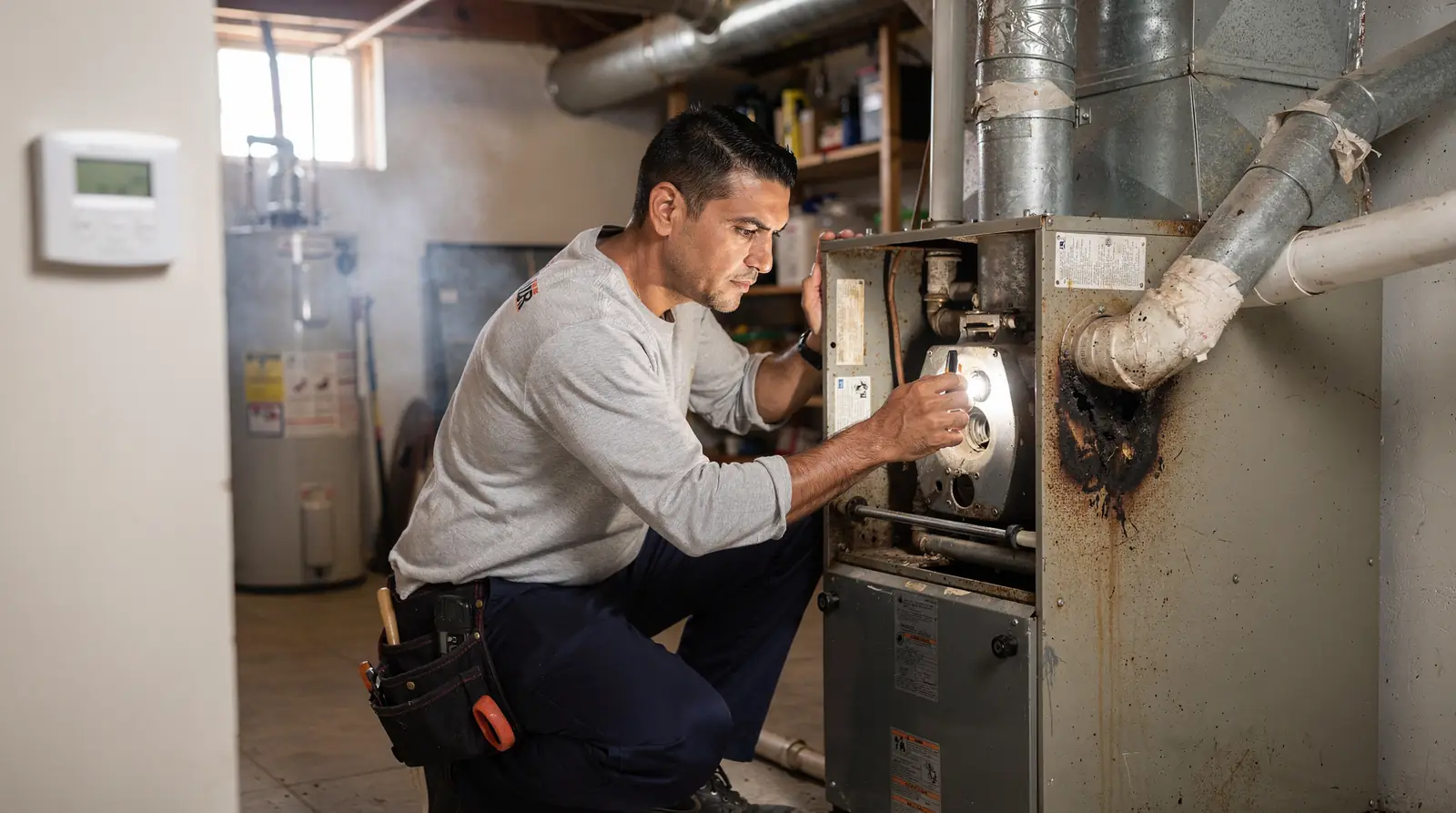
To be able to troubleshoot a furnace, it is important to know what the typical problems are that arise, what causes them and how to fix or minimize to problem.

Troubleshooting and Preventive Maintenance of Furnace Atmospheres, 2008

How Can I Fix Pilot Light and Igniter Problems in My Furnace?

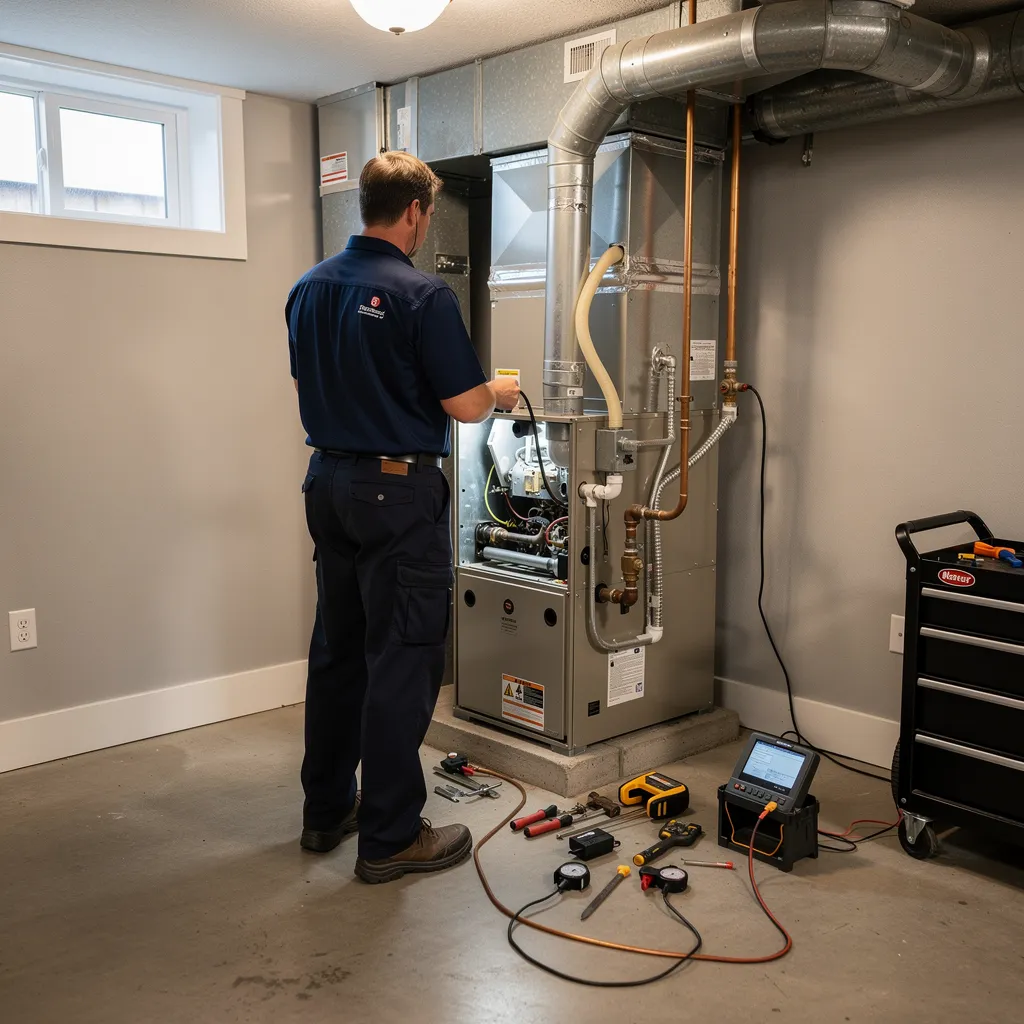
Homeowner troubleshooting furnace pilot light with safety precautions

Relighting a furnace pilot (when applicable) or checking an electric igniter follows safe, manufacturer-specific procedures and should be done only if you are comfortable and the system’s manual permits it. For pilot-equipped furnaces, turn off the gas, wait to clear any accumulated gas, then follow the unit’s lighting steps; if a gas smell is present, evacuate and call a professional. For electric igniters, confirm the thermostat calls for heat and check for error codes on the furnace control board before attempting replacement. Igniter replacement often requires disassembly and correct alignment—tasks best left to a technician if you lack experience.

  1. Verify safety first: Confirm there is no gas odor and that power is off before accessing the burner area.
  2. Follow manufacturer steps: Use the furnace manual’s official method for relighting or ignition checks.
  3. Stop and call a pro: If the pilot won’t stay lit, igniter keeps failing, or you detect gas smells, contact a professional immediately.

These steps reduce risk and allow you to address simple ignition issues while recognizing red flags that indicate the need for certified service.

Different homeowners benefit from having a short reference table to match furnace symptoms to likely causes and next steps; the table below helps you triage common furnace problems quickly and safely.

IssueSymptomNext Step / When to Call a Pro
Thermostat errorFurnace not responding to setpointCheck batteries and settings; call pro if wiring or control board faults suspected
Dirty filter / airflow restrictionFurnace cycles frequently or overheatsReplace filter and clear vents; call pro if blower noise persists
Igniter/pilot failureNo flame or intermittent heatingFollow safe relighting procedure if applicable; call pro for persistent ignition faults
Gas supply interruptionFurnace fails to ignite and gas valve inactiveCheck other gas appliances; call utility or licensed technician for gas diagnostics
Blower motor failureNo airflow but combustion presentDo not operate fan if overheating; call technician for motor or capacitor replacement

This quick-reference table condenses decision-making so you can match visible symptoms to probable causes and choose safe, effective next steps. The next section explains why heat pumps sometimes blow cold air and what to check first.

What Causes a Heat Pump to Blow Cold Air and How Can It Be Fixed?

A heat pump blowing cold air in heating mode typically indicates either an operational defrost cycle, a refrigerant or compressor issue, or a control/thermostat mode error. Heat pumps reverse refrigerant flow to heat indoor spaces; when the outdoor coil accumulates frost, the system runs a defrost cycle that may temporarily blow cooler air but then returns to normal heating. If cold air persists, the cause is often low refrigerant, compressor malfunction, or electrical faults in controls—conditions requiring sealed-system service. This section explains how defrost cycles work, what temporary behaviors are normal, and what signs indicate sealed-system problems.

How Do Refrigerant Leaks and Defrost Cycle Failures Affect Heat Pump Performance?

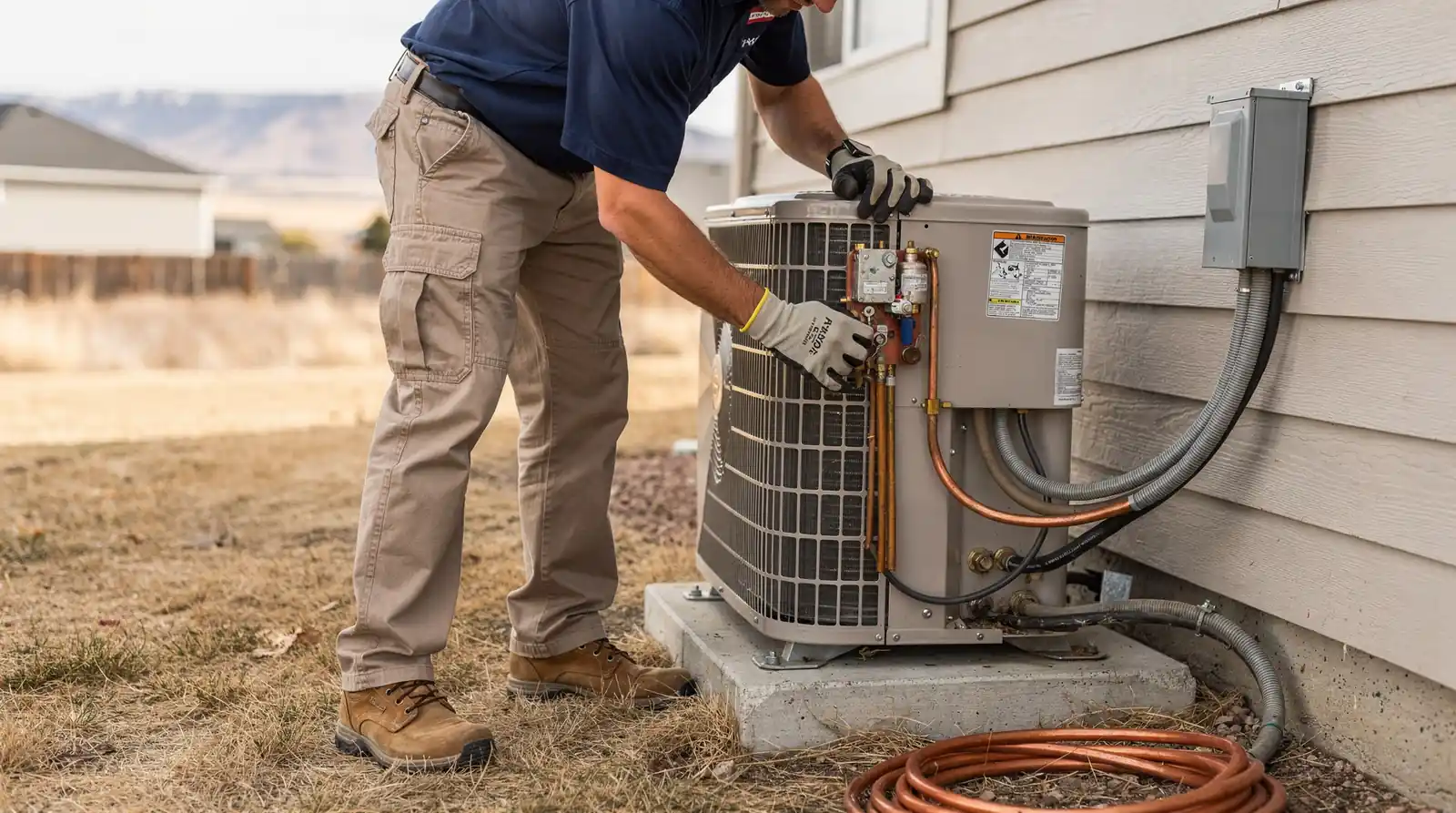
Refrigerant is the working fluid that carries heat; leaks reduce capacity and cause the system to struggle to produce heat, often showing reduced airflow temperature and longer run times. Defrost cycle failures can lead to ice buildup on the outdoor coil, forcing the unit into extended defrost or preventing effective heat transfer, which results in cold air output. Homeowners can visually inspect for ice accumulation, ensure the outdoor unit is clear of debris, and verify the thermostat is set to heat mode before calling for repairs. Temporary measures like clearing airflow obstructions and resetting the system can help, but refrigerant leaks and defrost control failures require certified technicians.

  • Check outdoor unit clearance and remove snow or debris to restore normal defrost operation.
  • Observe whether the system resumes warm output after a defrost cycle; if not, suspect refrigerant or compressor issues.
  • For suspected leaks, call a certified technician—sealed-system repairs and refrigerant handling require licensed service.

This diagnosis clarifies when an intermittent cold airflow is expected versus when persistent cold indicates a serious sealed-system fault that must be addressed by professionals.

When Should I Call a Technician for Heat Pump Electrical or Compressor Issues?

Electrical warning signs include repeated tripped breakers, burning smells, or visible scorch marks on the control box, all of which require immediate professional attention. Compressor problems often present as loud humming, repeated hard starts, or a complete failure to energize; these symptoms signal expensive repairs or replacement. If you see rapid cycling, high head pressures, or system faults displayed on the thermostat or outdoor unit, stop DIY work and arrange for a certified technician to perform diagnostics and sealed-system testing. Attempting compressor or high-voltage repairs without proper tools and certification is unsafe and can damage the system further.

  1. Electrical fault signs: Burning smell, tripped breakers, or smoke.
  2. Compressor indicators: Loud noises, repeated attempts to start, or no cooling/heating output.
  3. Professional response: Certified technicians handle sealed-system diagnostics, compressor replacement, and safe refrigerant recovery.

The next section covers boiler symptoms, including pressure loss and unusual noises, and offers safe troubleshooting steps for hot-water and steam systems.

What Are the Signs of Boiler Problems and How Do I Troubleshoot Strange Noises?

Boilers produce hot water or steam for home heating and manifest problems through pressure loss, leaks, gurgling or kettling noises, and visible corrosion or condensation near valves. Pressure loss often points to a leak, a failing pressure relief valve, or an expansion tank issue, while gurgling and kettling suggest trapped air, sediment, or limescale inside heat exchangers or piping. This section defines common boiler symptoms, explains why they occur, and provides safe, stepwise homeowner checks such as monitoring pressure gauges and bleeding radiators, followed by guidance on when professional descaling or component replacement is necessary.

Why Is My Boiler Losing Pressure or Leaking?

Boiler pressure loss can result from small system leaks, a faulty pressure relief valve, or a degraded expansion tank; each has distinct diagnostic clues such as puddles under the unit, repeated pressure drops after repressurizing, or visible valve discharge. Homeowners can check the pressure gauge against manufacturer recommendations and perform a controlled repressurization if comfortable, watching for rapid falloff which indicates active leakage. Temporary containment of small drips and monitoring can buy time, but ongoing leaks, corroded components, or pressure safety valve discharges require a licensed technician for repair.

  • Inspect visible pipe joints, pumps, and valves for dampness or active drips.
  • Repressurize cautiously following manufacturer guidelines and watch for steady declines.
  • Call a professional for persistent pressure loss, visible corrosion, or safety valve discharges.

These steps help prioritize urgent safety concerns and prepare technicians with clear symptom reports for effective diagnosis and repair.

What Causes Gurgling or Kettling Noises in Boilers and How Can I Fix Them?

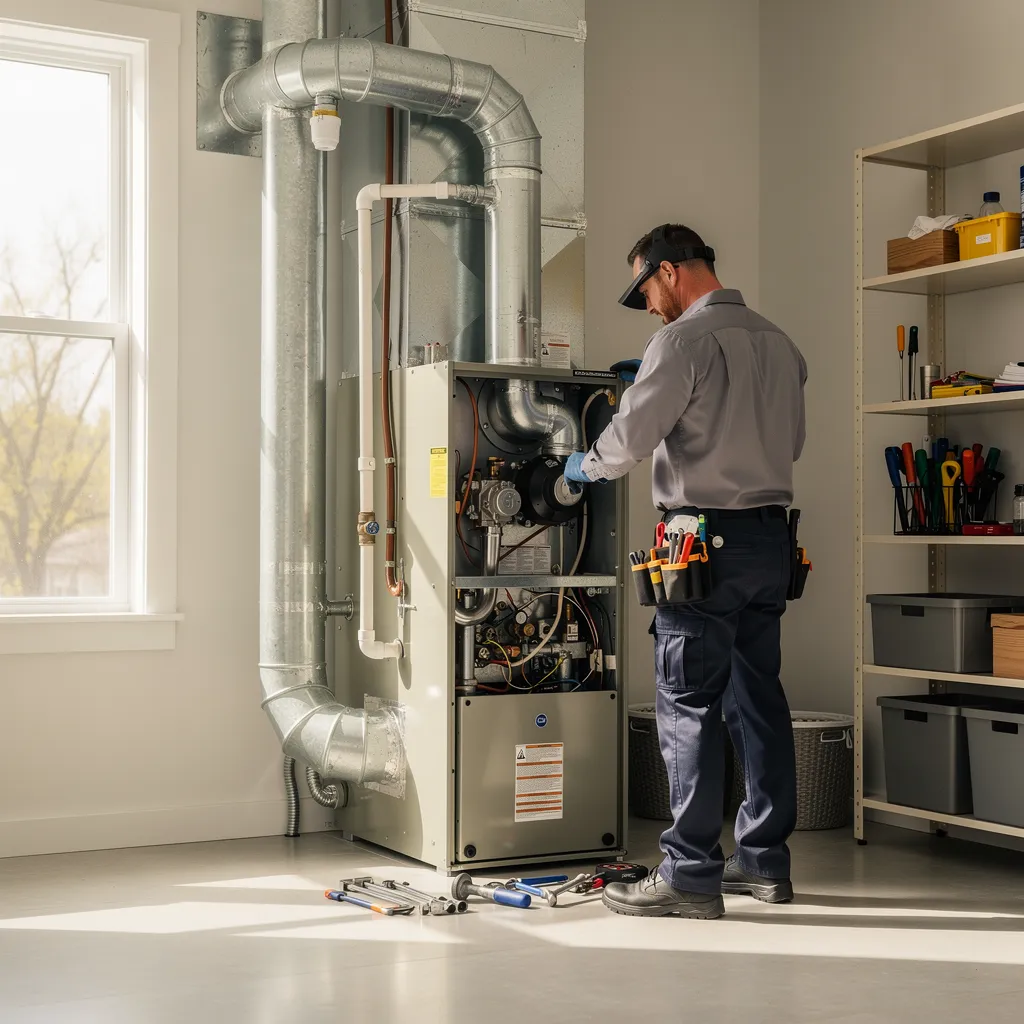
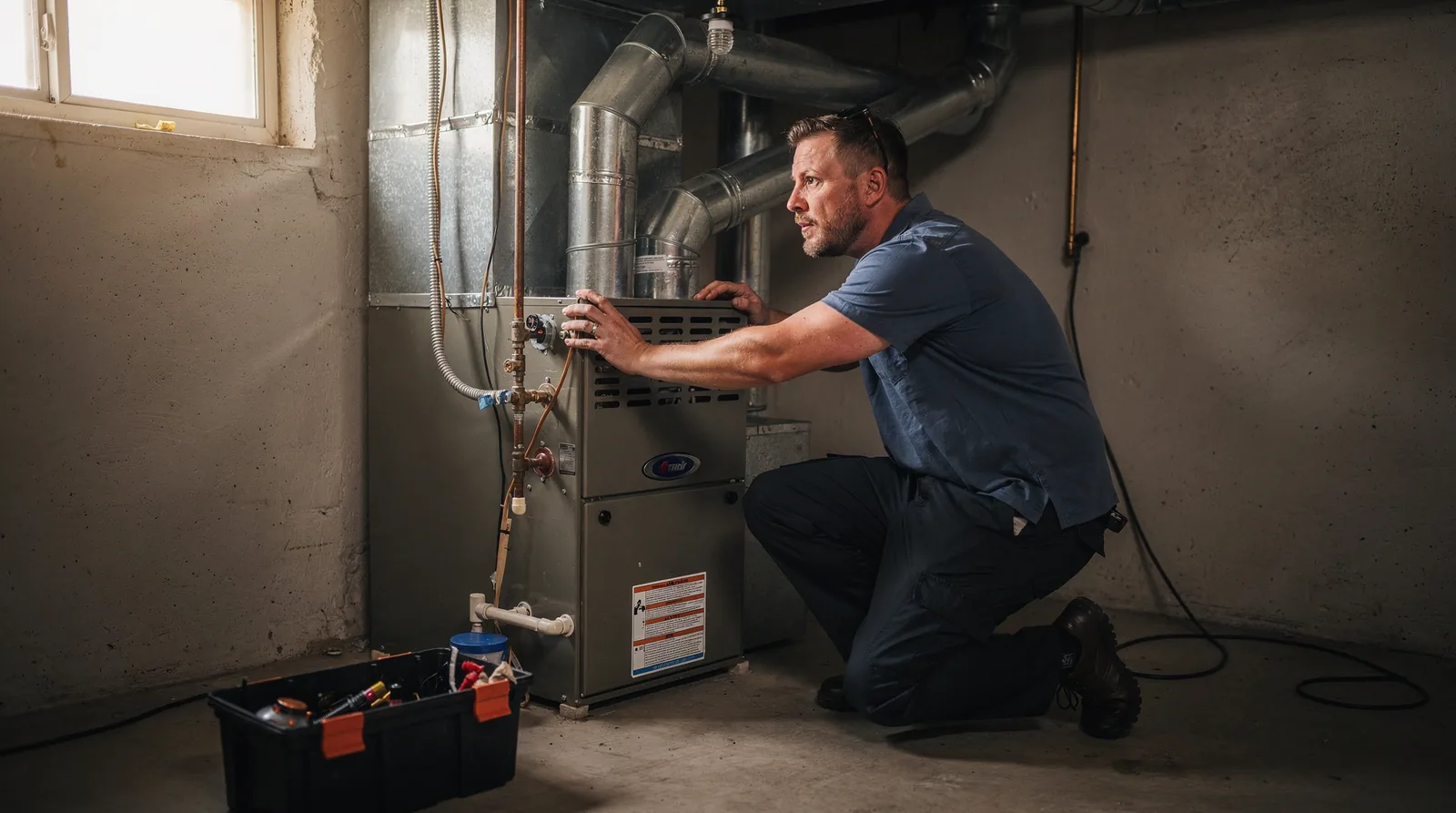
Technician inspecting a boiler for kettling noises during maintenance

Gurgling or kettling noises typically arise from trapped air, limescale buildup on the heat exchanger, or failing circulator pumps that reduce flow and cause localized boiling. Bleeding radiators to release trapped air often relieves gurgling in hydronic systems, while kettling—an abrasive, metallic boil—is usually linked to scale and requires professional descaling or heat exchanger service. Homeowners should perform safe radiator bleeding and check pump operation; persistent kettling, reduced heat output, or discolored water suggests that a technician should perform chemical descaling or pump replacement to prevent heat exchanger failure.

  1. Bleed radiators: Release trapped air to restore even flow and reduce gurgling.
  2. Check pump operation: Listen and feel for consistent circulation; replace failing pumps.
  3. Escalate for kettling: Professional descaling and heat exchanger inspection are often required for kettling.

After addressing boilers, the next topic explains thermostat diagnostics so you can determine if controls or sensors are the root cause of uneven heating.

Boiler SymptomPossible CauseSafety / Next Step
Pressure dropsLeak or faulty expansion tankInspect visible joints; call technician for leaks
Visible leakingCorrosion or failed valveContain leak and schedule professional repair
Kettling noiseLimescale on heat exchangerBleed radiators and call pro for descaling
Radiator cold at topTrapped airBleed radiator and monitor pressure

This EAV table helps you quickly assess boiler urgency and decide whether to apply a homeowner remedy or book a professional visit. The flow of maintenance and component inspection leads naturally into thermostat troubleshooting details.

How Do I Know If My Thermostat Is Not Working and How Can I Troubleshoot It?

A malfunctioning thermostat can mimic system failure, so validating thermostat operation is a primary step in nearly every heating troubleshooting process. Thermostats report setpoints and call for heat; if they fail to respond, or show connectivity issues with smart systems, the heating system may not cycle correctly. This section defines thermostat faults, outlines quick verification checks like battery replacement and wiring inspection, and explains smart thermostat troubleshooting steps such as checking network connections and firmware, all designed to restore reliable control or determine when a replacement or professional wiring service is needed.

What Are the Symptoms of a Faulty Thermostat in Heating Systems?

Symptoms include visible discrepancies between set and actual temperatures, unresponsiveness to inputs, erratic cycling, or failure to trigger the heating system. Mechanical thermostats may show stuck mercury switches or broken dial components, while digital and smart thermostats might suffer from battery depletion, corrupted schedules, or sensor drift. Homeowners should compare thermostat readings with a reliable thermometer in the same room, replace batteries annually, and verify that the device displays expected responses to manual setpoint changes. Persistent inaccuracies, wiring faults, or control-board errors mean the thermostat likely needs recalibration or replacement.

  • Compare thermostat reading to a room thermometer to confirm accuracy.
  • Replace batteries and check device settings before deeper diagnostics.
  • For wiring concerns or persistent faulty readings, schedule a technician to inspect controls.

These checks ensure you rule out control issues before pursuing more invasive HVAC repairs, and they set the stage for smart thermostat-specific troubleshooting in the next subsection.

How Can I Troubleshoot Smart and Programmable Thermostats at Home?

Smart thermostats add network and software layers that introduce new failure modes such as Wi-Fi dropout, app configuration errors, or firmware glitches, but they also provide diagnostic tools through apps and status indicators. Start by confirming network connectivity, ensuring the thermostat has power (C-wire or sufficient battery), and checking for firmware updates in the companion app. Reset schedules if the system behaves oddly and perform a factory reset only after backing up configurations; if the thermostat shows wiring errors or fails to control the HVAC despite correct settings, call a technician to inspect low-voltage wiring and control circuits.

  1. Network and app checks: Verify Wi-Fi, account login, and app status indicators.
  2. Power source verification: Confirm C-wire presence or battery health to avoid intermittent shutdowns.
  3. Professional help for wiring: For persistent control failures or wiring faults, arrange certified service.

Effective thermostat troubleshooting closes the loop between sensing and system operation, and prepares homeowners to address short cycling causes next.

What Causes Heating System Short Cycling and How Can It Be Resolved?

Short cycling—rapid on/off operation of a heating system—reduces efficiency, increases wear, and can signal multiple underlying problems such as dirty filters, oversized equipment, thermostat placement or calibration issues, low refrigerant, or failing components. Short cycling arises when the control system detects rapid temperature changes or safety cutouts trip quickly, causing the system to shut down and restart repeatedly. This section defines short cycling, explains how airflow restriction and control issues produce the effect, and provides homeowner checks and professional diagnostics to resolve the condition and prevent premature system failure.

How Do Dirty Air Filters and Thermostat Calibration Affect Heating System Cycling?

Restricted airflow from dirty air filters causes heat buildup and triggers limit switches, shutting the furnace down until temperatures drop; this repeated shutdown looks like short cycling. Likewise, a thermostat placed too close to a heat source or miscalibrated will sense target temperature prematurely and short-cycle the system. Replace filters on a regular schedule (every 1–3 months depending on household conditions), ensure thermostat location avoids drafts or heat sources, and calibrate thermostats as needed. These straightforward corrections often restore normal cycle times and improve efficiency.

  • Replace disposable filters every 1–3 months during heavy use seasons.
  • Check thermostat placement and move it if in direct sunlight or near vents.
  • Observe run times after filter replacement to confirm resolution.

Addressing filter and thermostat issues frequently eliminates cycling, and if cycling persists, the next subsection helps you recognize when it signals deeper system faults.

When Is Short Cycling a Sign of a More Serious Heating System Problem?

If short cycling persists after filter changes and thermostat adjustments, it may indicate oversized equipment, failing heat exchangers, compressor issues in heat pumps, or refrigerant imbalances that need professional evaluation. Red flags include smoke or burning smells, visible soot, persistent overheating, or cycling that continues despite normal airflow and control settings. At this point, stop further DIY attempts and schedule diagnostics with a certified technician who can perform combustion analysis, refrigerant pressure checks, and heat exchanger inspections to determine repair or replacement pathways.

  1. Red flags for professional assessment: Smoke, soot, burning odors, or persistent cycling after basic fixes.
  2. Potential major faults: Failing heat exchanger, compressor problems, or incorrect system sizing.
  3. Technician diagnostics: Combustion testing, refrigerant pressure measurement, and mechanical inspections.

Recognizing these signals ensures safety and helps avoid costly secondary damage from prolonged short cycling. The final section explains how regular maintenance prevents most of these common issues.

CauseEffect on SystemRepair Action
Refrigerant leakReduced heating capacity and longer runtimesCertified leak detection and sealed-system repair
Defrost failureIce buildup and temporary cold airflowClear outdoor unit and call technician for defrost diagnostics
Electrical faultTripped breakers or non-operationProfessional electrical diagnostics and component replacement

This EAV-style table clarifies heat-pump-related causes and appropriate remediation steps to help you decide between temporary DIY fixes and licensed repairs.

How Can Regular Maintenance Prevent Common Heating System Repair Issues?

Regular maintenance is the single most effective strategy to reduce unexpected repairs, improve energy efficiency, and extend equipment life by catching wear and faults early through systematic inspection and tune-up tasks. Annual tune-ups include cleaning burners or coils, checking ignition systems and safety controls, lubricating moving parts, testing electrical connections, and verifying refrigerant and pressure levels where applicable. These preventative measures prevent many common failure modes—dirty filters, restricted airflow, failing igniters, and refrigerant imbalance—while optimizing system performance and reducing emergency service needs. Implementing a maintenance schedule and following recommended filter replacement intervals can eliminate many of the symptoms outlined earlier.

Provide useful information about dental services, build trust, and lead people to book consultations or appointments.

Young’s Heating, Cooling and Electric offers maintenance plans performed by NATE-certified technicians to keep furnaces, heat pumps, and boilers operating safely and efficiently across Kennewick, Pasco, Richland, WA, and Pendleton, OR. Their family-owned approach emphasizes customer satisfaction and flexible financing options for larger repairs identified during tune-ups. To schedule a heating tune-up or learn about maintenance plan options, contact Young’s to arrange an annual inspection that includes filter checks, safety control testing, and component lubrication.

What Are the Benefits of Annual Heating System Tune-Ups for Homeowners?

Annual tune-ups deliver measurable benefits: improved energy efficiency that lowers bills, early detection of failing components that prevents emergency breakdowns, and safety verification that protects occupants from combustion or pressure hazards. Routine inspections preserve manufacturer warranties in many cases and extend equipment lifespan by reducing stress on motors, compressors, and heat exchangers. Quantifiable gains include fewer emergency calls and steadier indoor comfort, translating to predictable operating costs and improved system reliability year over year. Scheduling yearly preventative service creates a documented maintenance history, which can assist with warranty claims and resale disclosures.

  • Annual tune-ups reduce the likelihood of mid-season breakdowns and improve system efficiency.
  • Preventative maintenance often uncovers minor issues before they escalate into costly repairs.
  • Well-maintained systems tend to run quieter and deliver more consistent home comfort.

These benefits underscore why proactive care is more cost-effective than reactive repairs, leading into specific filter replacement and inspection practices next.

How Does Replacing Air Filters and Inspecting Components Reduce Repair Needs?

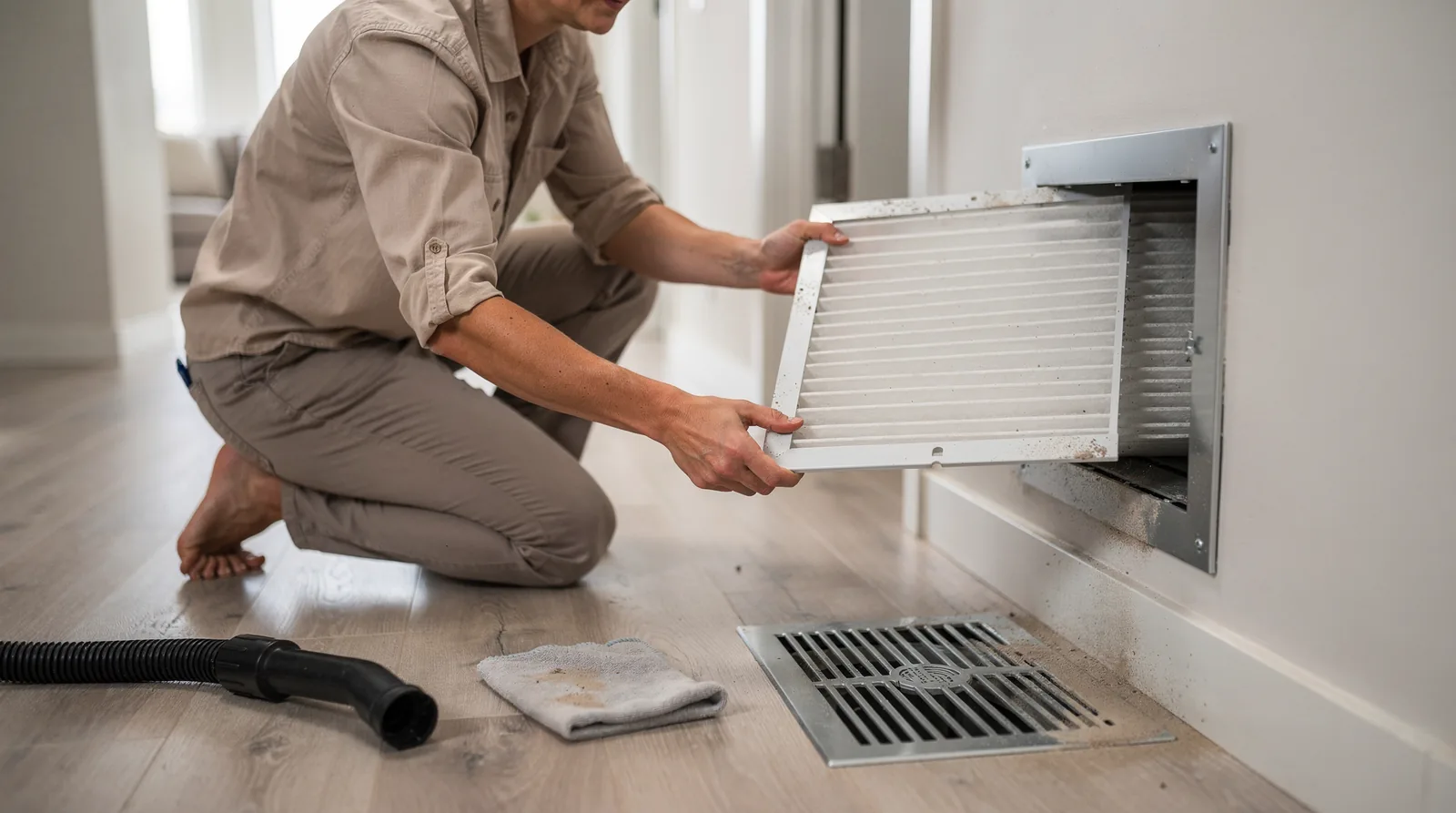
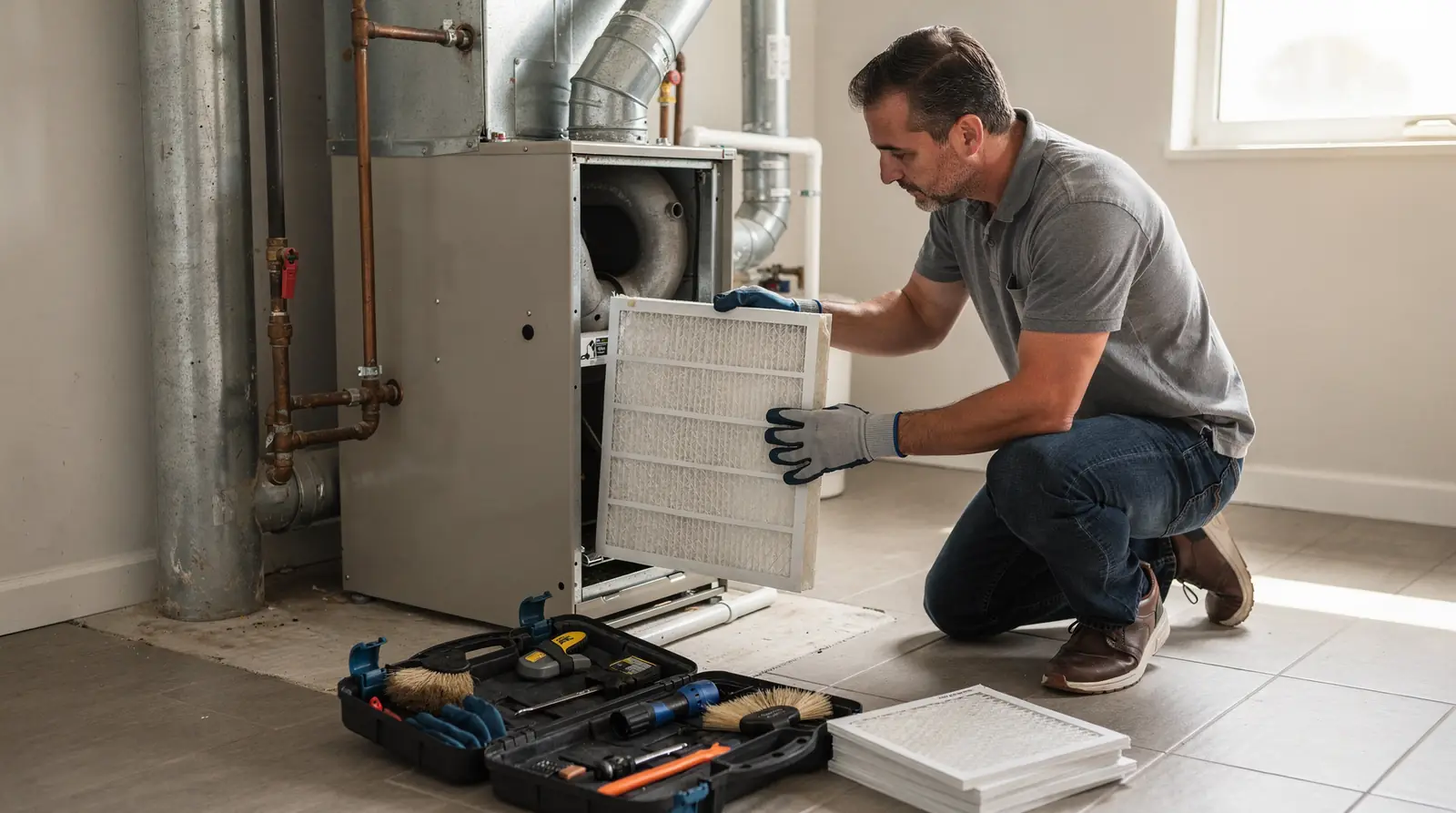
Replacing air filters restores proper airflow, reduces blower strain, and prevents overheating safeties that lead to short cycling and motor stress, while inspecting belts, bearings, and electrical connections catches wear before failure. Choosing the right filter—balancing MERV rating with system compatibility—and adhering to seasonal replacement schedules ensures good indoor air quality without overtaxing the system. An inspection checklist for homeowners should include filter audits, visible duct and vent checks, thermostat verification, and noting any unusual sounds or odors to report to technicians. These simple tasks reduce wear on the heat exchanger and compressor, lowering the frequency and cost of repairs over the system’s life.

  1. Filter selection: Use compatible MERV-rated filters appropriate for your system.
  2. Replacement cadence: Inspect monthly and replace every 1–3 months depending on use and household conditions.
  3. Inspection checklist: Include filters, vents, visible ductwork, thermostat operation, and unusual sounds.

Provide useful information about dental services, build trust, and lead people to book consultations or appointments.

Young’s Heating, Cooling and Electric can perform comprehensive maintenance visits that include detailed component inspections, filter recommendations, and a written report of any issues found. Their technicians provide clear diagnostic explanations and financing options for needed repairs so homeowners can plan fixed-cost maintenance and avoid emergency replacements. To arrange a tune-up or inquire about a maintenance plan, contact Young’s to schedule a certified inspection that aligns with seasonal needs.

IssueSymptomDIY Check / When to Call a Pro
Dirty filterReduced airflow and short cyclingReplace filter and monitor runtime; call pro if problems persist
Ignition failureNo heat despite powerCheck thermostat and reset power; call technician for ignition replacement
Refrigerant lossWeak heating and long runtimesClear outdoor unit and call certified technician for leak detection
  • Regular maintenance reduces emergency repair frequency and increases system longevity.
  • A clear maintenance plan and inspection checklist empower homeowners to perform basic preventive tasks.
  • Timely professional tune-ups catch issues like refrigerant leaks or wear that DIY checks cannot safely resolve.

These combined practices—frequent filter replacement, annual certified tune-ups, and timely professional diagnostics—substantially lower the risk of common heating system repair issues and preserve home comfort across seasons.

Top 7 Signs Your Heating System Needs Repair Before Winter

Top 7 Warning Signs Your Heating System Needs Repair Before Winter Hits

Cozy living room with a modern heating system, illustrating warmth and comfort during winter

Cold-weather breakdowns are one of the most avoidable household headaches if you catch warning signs early, and knowing which symptoms matter can prevent safety risks, high utility bills, and costly emergency repairs. This article explains the seven most important warning signs—strange noises, uneven heating, rising energy bills, frequent cycling, unusual odors, pilot light problems, and water leaks or weak airflow—so you can triage issues and act before temperatures drop. You’ll learn system-specific differences for gas furnaces, heat pumps, and boilers, practical homeowner troubleshooting steps that prioritize safety, and clear guidance on when to call a professional for diagnostics or repair. Early detection saves money and extends equipment life, and the sections below map symptoms to likely causes, short DIY checks, and recommended next steps. First we’ll cover noises and what they usually mean, then airflow and temperature problems, efficiency-related cost drivers, cycling behavior, odors and combustion concerns, pilot light indicators, and finally condensate or water-related failures that often presage bigger problems.

If you’d like a professional pre-winter inspection, Young’s Heating, Cooling and Electric offers local “heating service and repair” across Kennewick, Pasco, Richland, WA and Pendleton, OR with NATE-certified technicians and a 100 percent satisfaction guarantee; scheduling an inspection early can identify worn parts or safety hazards before peak season.

This short bridge explains why an expert tune-up matters: professionals can perform combustion analysis, check blower motor amperage, and test safety controls in ways a homeowner cannot, which reduces emergency callouts and restores rated efficiency.

The guidance below focuses on what you can safely check at home and when to stop and call for professional diagnostics, and the following sections will reference those safe homeowner checks so you can triage effectively.

With that context, start by listening for unusual sounds—noises are often the earliest, simplest-to-detect indicators of mechanical or combustion trouble.

What Are the Most Common Noises Indicating Heating System Problems?

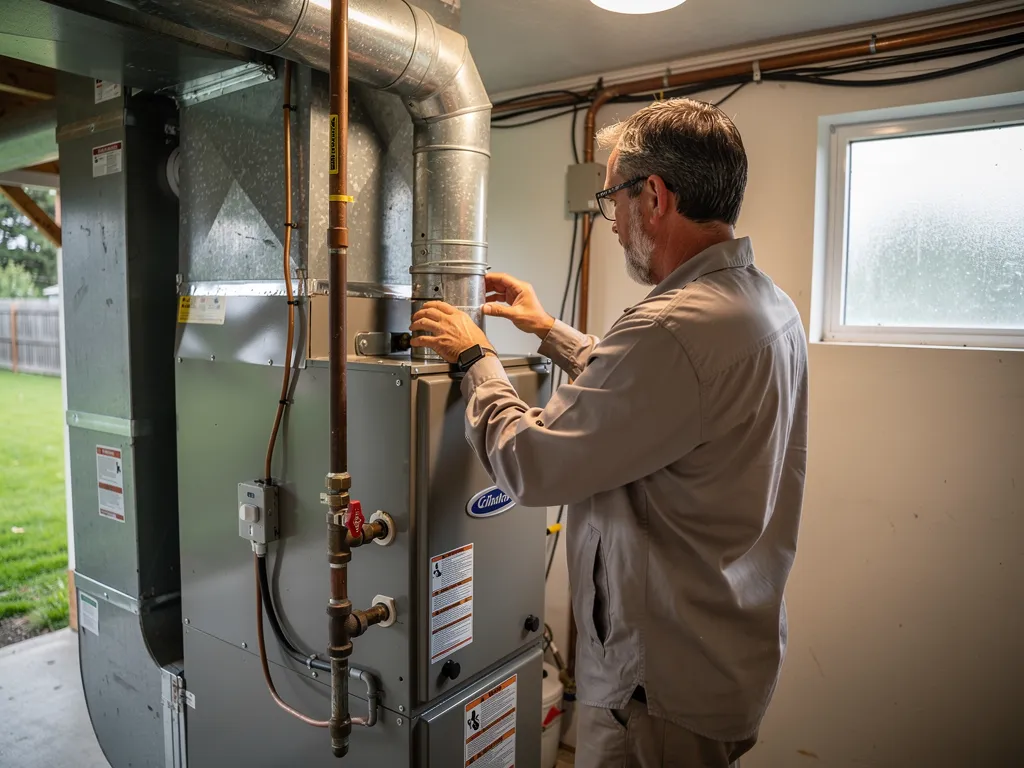
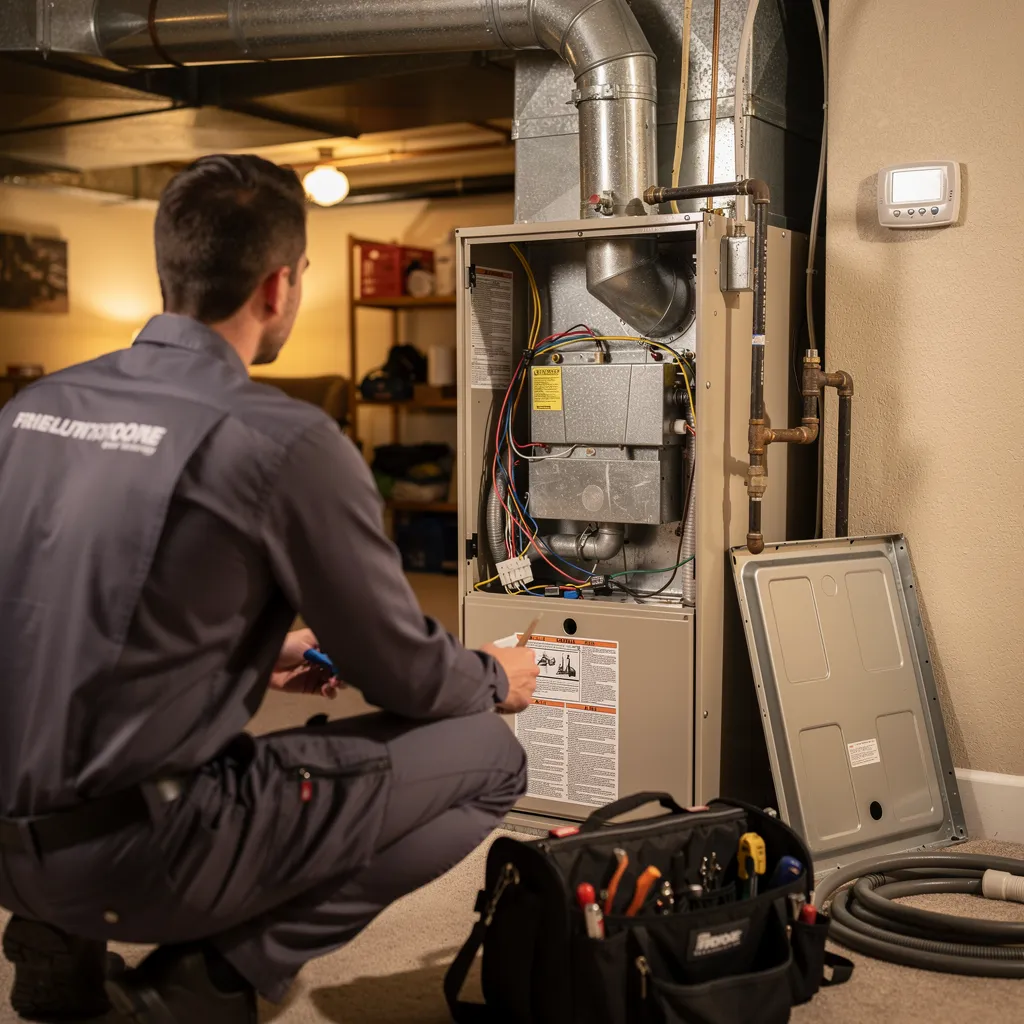
Technician inspecting heating system components to identify common noises and issues

Noises from a heating system are diagnostic signals: each distinct sound usually maps to specific components or failure modes and provides immediate insight into urgency and repair needs. Understanding whether a banging, squealing, or rattling noise comes from the blower, burners, or refrigerant circuit lets you prioritize safety checks and decide if continued operation is risky. Below is a concise list of common noise types and what they often indicate so you can spot patterns quickly, then we’ll dig into specific causes for furnaces, heat pumps, and boilers in the next subsection. Knowing how to triage these sounds helps prevent minor issues from escalating into total system failure.

Common furnace and heat-pump noises to recognize:

  1. Banging or thumping: Could indicate delayed ignition or a cracked heat exchanger in furnaces.
  2. Squealing or high-pitched whine: Often a worn blower belt or failing motor bearings.
  3. Rattling: Loose panels, ductwork, or debris in the blower assembly.
  4. Hissing or bubbling: Possible refrigerant leak in heat pumps or trapped air in boiler systems.

These sound profiles lead naturally into system-specific causes and homeowner triage steps, which we outline next.

What Do Banging, Squealing, and Rattling Noises Mean for Your Furnace or Heat Pump?

Banging, squealing, and rattling are distinct auditory clues tied to separate subsystems: a heavy bang in a gas furnace often signals delayed ignition where fuel accumulates before lighting, while a persistent squeal usually indicates worn bearings on the blower motor or an unbalanced belt, and a rattling sound commonly comes from loose panels or failing fan blades. For heat pumps, a hissing or bubbling onset combined with decreased heating output can point to refrigerant issues or reversed airflow, and boilers may thump when pockets of steam form due to trapped air or low water pressure. Each noise carries a severity scale: loose panels are low-risk but annoyingly inefficient, motor bearings require service soon to avoid motor burnout, and ignition or refrigerant-related noises are higher risk and merit prompt shutdown and professional evaluation. Recognizing the pattern—when the sound began, whether it varies with startup or steady-state, and whether performance changed—helps technicians isolate the failed component faster and avoid unnecessary parts replacement.

Listening closely for when and how the sound occurs connects directly to practical homeowner checks you can perform safely before calling a professional, which we describe in the next subsection.

How Can You Troubleshoot Unusual Heating System Noises Before Calling a Technician?

Start troubleshooting by powering down the unit, removing access panels only if you’re comfortable, and visually inspecting for obvious loose screws, debris, or an unseated blower wheel, keeping hands clear of moving parts and power off. Check the air filter and replace it if clogged—many blower and motor noises are exacerbated by restricted airflow—and verify that mounting screws for the blower housing and duct collars are tight; this simple action often eliminates rattles.

If you hear squealing that changes with blower speed, suspect motor bearings or belt issues and avoid running the unit long-term to prevent motor failure; if banging accompanies ignition, ventilate the area, shut off gas or power to the unit, and leave relighting or combustion inspection to a professional. For any high-risk noises—loud bangs at startup, metallic grinding, or repeated ignition delays—stop using the system and schedule a diagnostic with a qualified technician.

If you prefer professional diagnostics rather than DIY troubleshooting, “Young’s Heating, Cooling and Electric” can perform a targeted noise inspection and repair with NATE-certified technicians trained to diagnose mechanical and combustion sounds quickly.

How Can Uneven Heating or Cold Spots Signal Heating System Issues?

Home with visible temperature variations, illustrating uneven heating and cold spots in different rooms

Uneven heating and cold spots are symptoms of airflow imbalance, control issues, or failing components that prevent the system from delivering heat where and when it’s needed; diagnosing these problems saves energy and comfort. Causes range from a dirty air filter or blocked vents to duct leaks, thermostat placement errors, failing blower motors, or zoning control failures, and each cause requires a different remedy. Evaluating room-by-room temperature, vent airflow, and thermostat calibration reveals whether the issue is a simple maintenance task or an indication of failing components or ductwork problems that require professional sealing or repair. Below we list common causes, then outline step-by-step homeowner diagnostics.

Common causes of uneven heating:

  • Dirty or clogged air filter restricting airflow.
  • Closed or obstructed supply vents and return grilles.
  • Leaky or poorly insulated ductwork losing conditioned air.
  • Misplaced thermostat sensing the wrong ambient temperature.
  • Faulty blower motor or failing variable-speed controls.

These likely causes lead into practical, safe diagnostic steps you can perform at home before escalating to repairs, which we cover next.

What Causes Uneven Room Temperatures and How to Diagnose Airflow Problems?

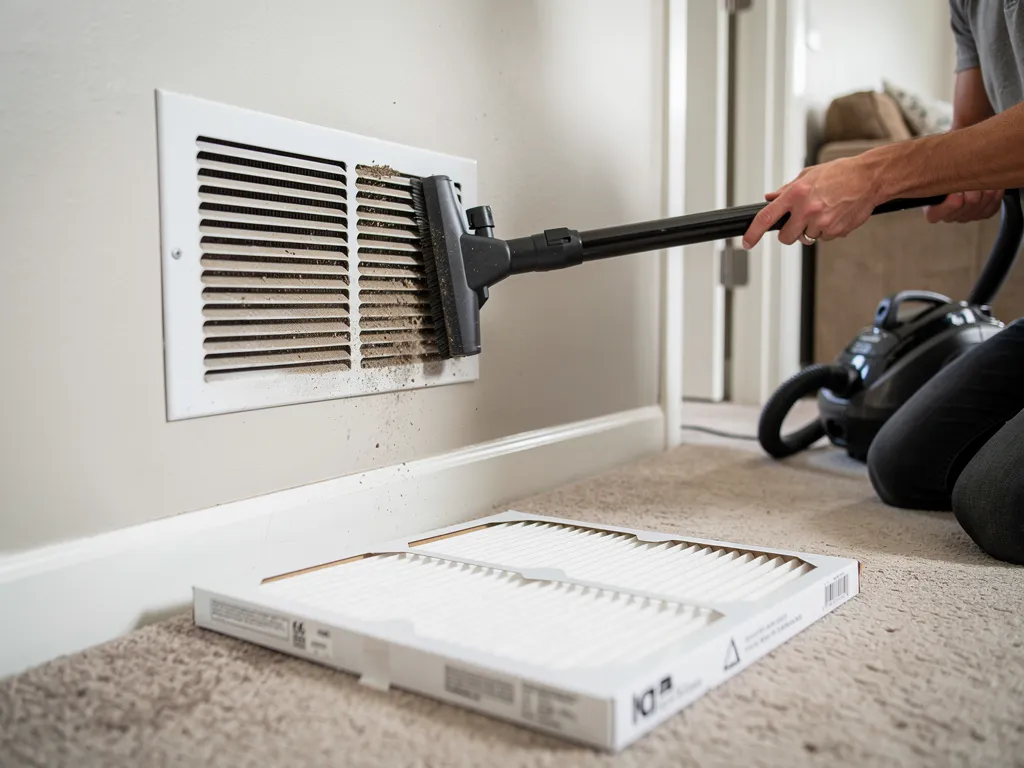
Start diagnosing by logging temperatures across rooms at the same time of day using a simple room thermometer or thermostat readings, and check vents to ensure supply registers are open and unobstructed; consistent discrepancies point to airflow issues rather than insulation alone. Inspect and replace the air filter if dirty, and vacuum returns and registers—blocked returns reduce system airflow and often generate cold spots.

Next, feel duct runs in an accessible attic or crawlspace for large temperature differentials that indicate leaks; sealing visible gaps and adding insulation over leaky ducts can yield immediate comfort gains.

If after these checks cold spots persist or multiple rooms are affected, the problem likely requires duct sealing, airflow balancing, or professional blower motor evaluation.

Why Is My Furnace Blowing Cold Air and What Should I Do?

A furnace that blows cold air can stem from several issues that differ for gas furnaces versus heat pumps: gas furnaces may have ignition or pilot problems, clogged burners, or a failed gas valve, while heat pumps may be in defrost mode, have a reversed valve, or exhibit refrigerant loss causing poor heat output. Start with simple checks: ensure the thermostat is set to heat and that the fan is set to “auto” rather than “on,” then examine and replace a dirty air filter—many “cold air” complaints resolve once airflow is restored.

If the system cycles normally but the output remains cool, shut down and call a technician to inspect combustion components, heat exchangers, and reversing valves, especially if you detect unusual odors or prolonged lack of flame; these are safety-sensitive repairs.

For persistent or safety-concerning symptoms, a professional evaluation will determine whether combustion parts, control boards, or refrigerant systems need repair or replacement.

If you’d rather not perform troubleshooting or if initial checks show combustion or refrigerant concerns, schedule a professional inspection with Young’s Heating, Cooling and Electric to safely diagnose and repair cold-air causes.

Why Are Rising Energy Bills a Warning Sign Your Heater Needs Service?

A sudden or sustained rise in heating bills typically signals reduced system efficiency caused by mechanical wear, dirty components, failing motors, or combustion inefficiency, and tracking those changes helps prioritize maintenance. Systems lose efficiency over time: clogged filters, dirty heat exchangers, miscalibrated thermostats, low refrigerant, and worn blower motors each increase energy consumption in measurable ways. The table below maps common inefficiency symptoms to root causes and estimated bill impacts to help you assess whether a service call is economically justified. Understanding these links allows homeowners to decide whether a tune-up, component repair, or system replacement best reduces ongoing costs.

Inefficiency SymptomCommon Root CauseEstimated Impact on Bills / Recommended Action
Gradual bill increase without behavior changeDirty filters, clogged coils, reduced airflow5–15% higher bills; replace filters, clean coils, schedule tune-up
Sharp spike in energy useFailing blower motor or stuck damper10–30% higher bills; inspect motor amperage and damper controls
Reduced heat output with longer run timesHeat exchanger fouling, refrigerant loss, aging components15–40% higher bills; professional combustion or refrigerant service
Erratic cycling with short runsThermostat calibration, airflow restriction, oversizing8–25% higher bills; recalibrate thermostat, evaluate sizing and airflow

What Heating System Inefficiencies Lead to Higher Utility Costs?

Dirty filters and soiled heat-exchange surfaces increase fan power needs and reduce heat transfer, meaning systems work harder and run longer to reach setpoints, which directly raises energy use. Failing blower motors draw more current and deliver less airflow, producing a double hit—higher electrical use plus reduced heat distribution—while refrigerant loss in heat pumps reduces capacity and forces longer compressor cycles. Age-related loss of rated efficiency and poor building envelope performance compound equipment inefficiencies, so an older system in a leaky, under-insulated home will produce disproportionately higher bills. Quantifying these effects shows that routine maintenance—filter changes, coil cleaning, motor checks, and combustion tune-ups—typically reduces seasonal energy use and slows degradation, which is why an inspection before winter can be cost-effective.

How Can You Reduce Winter Heating Costs Through Maintenance?

A targeted seasonal maintenance checklist restores airflow, combustion efficiency, and control accuracy: replace filters to manufacturer specs, clean blower housing and coils, verify thermostat calibration, inspect and seal ductwork, and test safety controls and combustion efficiency where applicable. Prioritize tasks that deliver the largest returns first—filter replacement and duct sealing frequently yield immediate comfort and bill reductions—while scheduling professional tune-ups to adjust burner settings, test heat exchangers, and confirm blower motor health. Consider programmable or smart thermostat scheduling to reduce run time during unoccupied hours, and document baseline energy use before and after maintenance to measure improvements. Regular maintenance not only lowers bills but also prolongs equipment life and reduces the probability of mid-winter failures.

For homeowners wanting a professional efficiency diagnostic, Young’s Heating, Cooling and Electric offers energy-efficiency checks and tune-ups across their local service area to identify issues that contribute to high seasonal costs.

What Does Frequent Cycling Reveal About Your Heating System’s Health?

Frequent cycling, or short cycling, is when a furnace or heat pump turns on and off much more often than normal, and this behavior reduces system efficiency and accelerates wear on components like compressors and motors. Short cycling commonly results from thermostat misplacement or settings, restrictive airflow from clogged filters, oversized equipment, failed limit switches, or refrigerant charge problems in heat pumps. Because each cause has a different remedy—thermostat relocation vs duct repairs vs equipment replacement—accurate diagnosis is critical to effective correction. The next subsections explain homeowner checks for cycling and the specific negative impacts on heat pump performance and lifespan.

First we’ll cover immediate checks you can do to identify the most common, simple causes of frequent on/off cycles.

Why Does My Furnace Turn On and Off Too Often?

Begin by checking the thermostat location and settings: a thermostat reading heat from a nearby heat source, direct sunlight, or a cold draft can cause short runs that misrepresent actual home temperature. Replace or clean the air filter and confirm supply and return registers are open—restricted airflow triggers high-limit trips that shut the system down prematurely, causing repeated restarts.

If airflow and thermostat placement are correct but cycling persists, suspect a failing limit control, shorted relay, or an oversized unit that heats the space too quickly; these cases require professional electrical and sizing diagnostics. Document how long cycles last and how often they occur, as runtime data helps a technician distinguish control issues from sizing and mechanical failures.

These homeowner checks help you determine whether a simple adjustment or immediate professional help is needed, which we describe next in relation to heat pumps.

How Does Short Cycling Affect Heat Pump Performance and System Lifespan?

Short cycling is particularly harmful to heat pumps because frequent compressor starts increase start-up currents and mechanical stress, which accelerates wear and reduces expected component life, and inefficient runtime also reduces dehumidification and comfort control. Repeated cycling increases energy consumption per delivered BTU and shortens the period between major repairs, often leading to premature compressor failure—a costly outcome compared with timely corrective maintenance. Professional diagnostics can identify whether the root cause is inadequate refrigerant charge, a failing reversing valve, or control issues and then apply the targeted repair that restores proper cycle length and reduces long-term operating costs. Correcting cycling promptly preserves performance, lowers repair frequency, and sustains rated efficiency across seasons.

If you notice frequent cycling and prefer to schedule a professional evaluation rather than continuing to troubleshoot, Young’s technicians can perform runtime and electrical tests to identify and remedy the underlying causes.

What Do Strange Odors from Your Heater Indicate About Potential Hazards?

Odors from a heating system are safety-critical signals that range from harmless dust-burning at first warm-up to life-threatening gas or carbon monoxide hazards; prompt identification and correct response can prevent injury or property damage. Different smells correlate to different issues: a musty or moldy scent suggests trapped moisture and microbial growth in ducts, a sharp electrical burning odor suggests overheating components or failing capacitors, and the rotten-egg smell of natural gas is an emergency situation that requires evacuation. Below we explain burning smells, gas detection responses, and safe homeowner triage steps that prioritize evacuation and emergency services where necessary.

The next two subsections offer specific triage instructions for burning smells and gas-like odors, including clear “do” and “do not” actions.

What Does a Burning Smell Mean and How Should You Respond?

A burning smell during the first few heat cycles of the season is often harmless dust burning off heated elements or motors, but a persistent, acrid, or electrical-burning odor indicates overheating wiring, failed bearings, or electrical component failure and should be treated as urgent. If you detect an electrical burning odor, switch off the furnace at the breaker, avoid using the system, and contact a qualified technician immediately because continued operation risks fire.

For mild dust smells, run the fan on low for an hour with windows open to dissipate residual particulates, then monitor for recurrence; if the smell returns or is accompanied by smoke, shut down the system and request professional service. Always err on the side of safety: unusual burning odors beyond initial start-up warrant prompt inspection.

Differentiating harmless dust burn-off from dangerous electrical or combustion smells sets the stage for immediate emergency actions if you detect gas-like odors, which we discuss next.

How to Recognize Gas Smells and What Emergency Steps Should You Take?

A natural gas leak is usually detected by a distinctive rotten-egg scent added to utility gas and requires immediate evacuation: do not operate electrical switches, do not use phones inside the home, and leave the property right away before calling the gas utility or emergency services from a safe location. If you suspect a gas leak or if household members experience symptoms like headache, dizziness, nausea, or unexplained flu-like signs, evacuate and call emergency responders without delay; carbon monoxide concerns—often odorless but accompanied by similar symptoms—require immediate fresh air and emergency medical evaluation if anyone is symptomatic.

After an emergency response, schedule a professional combustion and ventilation inspection before resuming heating system use. Prioritizing evacuation and professional testing protects occupants and prevents potentially fatal carbon monoxide exposure.

Why Is a Yellow or Flickering Pilot Light a Serious Warning Sign?

Pilot light color and stability are concise combustion indicators: a steady blue flame indicates proper combustion while a yellow, flickering, or sooty flame suggests incomplete combustion that produces carbon monoxide and requires immediate attention. Flame color reflects air-to-fuel ratio and burner condition—blue equals efficient oxidation, while yellow or orange indicates soot and unburned fuel that increases CO risk. Use the table below for a quick reference mapping flame behavior to likely combustion issues and immediate homeowner actions to keep occupants safe. Recognizing and acting on pilot light abnormalities prevents hazardous CO generation and informs whether safe homeowner relighting is appropriate or whether you must call a technician.

Pilot Light BehaviorLikely Combustion IssueSafety Risk / Immediate Steps
Steady blue flameProper combustion and correct air-fuel ratioLow risk; monitor periodically as part of maintenance
Yellow or flickering flameIncomplete combustion due to blocked burner or poor air supplyCO risk; ventilate area, shut down appliance, and call a technician
Sooty or trailing flameDirty burners or cracked heat exchangerHigh CO/fire risk; do not operate, evacuate if symptomatic
Intermittent or failing pilotFaulty thermocouple or gas controlPotential gas flow issues; turn off and schedule professional repair

What Does a Blue Flame Indicate Compared to a Yellow Pilot Light?

A blue flame indicates that fuel and combustion air are mixing correctly and that combustion is complete, producing primarily carbon dioxide and water vapor, which is the intended outcome for safe gas appliance operation. Conversely, a yellow flame signals incomplete combustion where soot and carbon monoxide can form; persistent yellowing or a growing soot deposit means the burner or air shutter requires cleaning or adjustment and the heat exchanger should be checked for cracks. Because carbon monoxide is colorless and odorless, a yellow flame is an observable proxy warning that demands professional inspection rather than prolonged operation. Ensure working CO detectors are installed and tested regularly to detect invisible hazards even when flame color seems acceptable.

Understanding flame color guides safe homeowner response and the decision to call for a professional combustion safety check, which we outline next.

How Can You Safely Troubleshoot Pilot Light Issues in Gas Furnaces?

If the furnace manual permits homeowner relighting, follow the manufacturer’s instructions precisely, ensure good ventilation, and watch for stable flame color—if the flame remains yellow, produces soot, or extinguishes repeatedly, stop attempts and call a professional. Before any relighting attempt, smell the area for gas, and if you detect gas or suspect a leak, evacuate immediately and contact emergency services and the gas utility; do not relight in that case.

For safe troubleshooting when no gas odor is present, turn off the gas, wait the recommended purge period, and relight per instructions while observing flame behavior; always prioritize calling a certified technician if you are unsure or if symptoms recur. Regular professional inspections reduce the need for homeowner relighting and ensure combustion adjustments and safety controls are correctly set.

If relighting seems risky or if you prefer a qualified inspection, schedule a combustion safety check with Young’s Heating, Cooling and Electric to verify safe operation and correct any burner or venting issues.

How Do Water Leaks or Weak Airflow Signal Heating System Failures?

Water leaks and weak airflow are mechanical failure indicators: condensate line clogs or failed pumps create water pooling that damages components and structures, while weakened airflow from blower or duct issues reduces heat delivery and increases cycling. Condensate systems are common on high-efficiency furnaces and heat pumps, and traps or lines that become blocked by algae, debris, or mineral buildup will overflow or leak into the cabinet or surrounding areas. The subsections below explain common clog and leak causes and how blower or duct problems disrupt airflow and efficiency.

What Causes Condensate Line Clogs and Furnace Water Leaks?

Condensate lines clog primarily from biological growth, sediment, or deteriorated PVC joints that trap moisture, and when the line obstructs, the condensate pan can overflow and leak into the furnace cabinet or surrounding areas. Homeowner-safe clearing steps include turning off power, locating the condensate access point, and using a wet/dry vacuum or recommended clearing tool at the outdoor termination to remove blockages, followed by flushing with an appropriate non-corrosive cleaning solution if the manufacturer allows it.

Persistent clogs, cracked pans, or leaks into the living space indicate failed components or improper drainage pitch and require professional service to replace pumps, correct piping, or repair the pan. Preventive maintenance—annual condensate inspections and occasional line flushing—reduces the chance of mid-winter water damage and equipment failure.

If you encounter standing water or repeated clogs, arrange a professional condensate system inspection and repair to prevent corrosion and electrical hazards.

How Do Blower Motor Problems and Duct Leaks Affect Airflow and Heating Efficiency?

Blower motors with worn bearings or failing capacitors gradually lose torque and airflow, which reduces heat transfer and causes long runtimes, short cycling, and uneven room temperatures; motors may also draw excessive current, risking electrical trips. Duct leaks allow conditioned air to escape into attics or crawlspaces, reducing delivered heat and increasing energy use; even moderate leakage can lower system effectiveness substantially and make thermostat adjustments feel ineffective.

Homeowner checks include feeling vent airflow strength, inspecting accessible duct seams for disconnected joints, and listening for whistling that suggests pressure imbalances; however, accurate leakage measurement and repair often require professional duct-sealing tools and techniques. Correcting blower and duct issues restores airflow, improves comfort, and reduces fuel or electric consumption.

For thorough airflow diagnostics and professional duct sealing or blower repairs, schedule a service appointment with qualified technicians to measure static pressure, test motor performance, and implement effective repairs.

  1. Regularly check and replace filters: A clean filter maintains airflow and protects components.
  2. Document symptoms and checks before calling: Notes on timing, odors, and noises speed professional diagnosis.
  3. Prioritize safety when combustion or gas is involved: Evacuate and call emergency services if you suspect a gas leak.

These actionable steps give you a practical path to triage problems and decide when to escalate to professional help, keeping safety and efficiency as priorities.