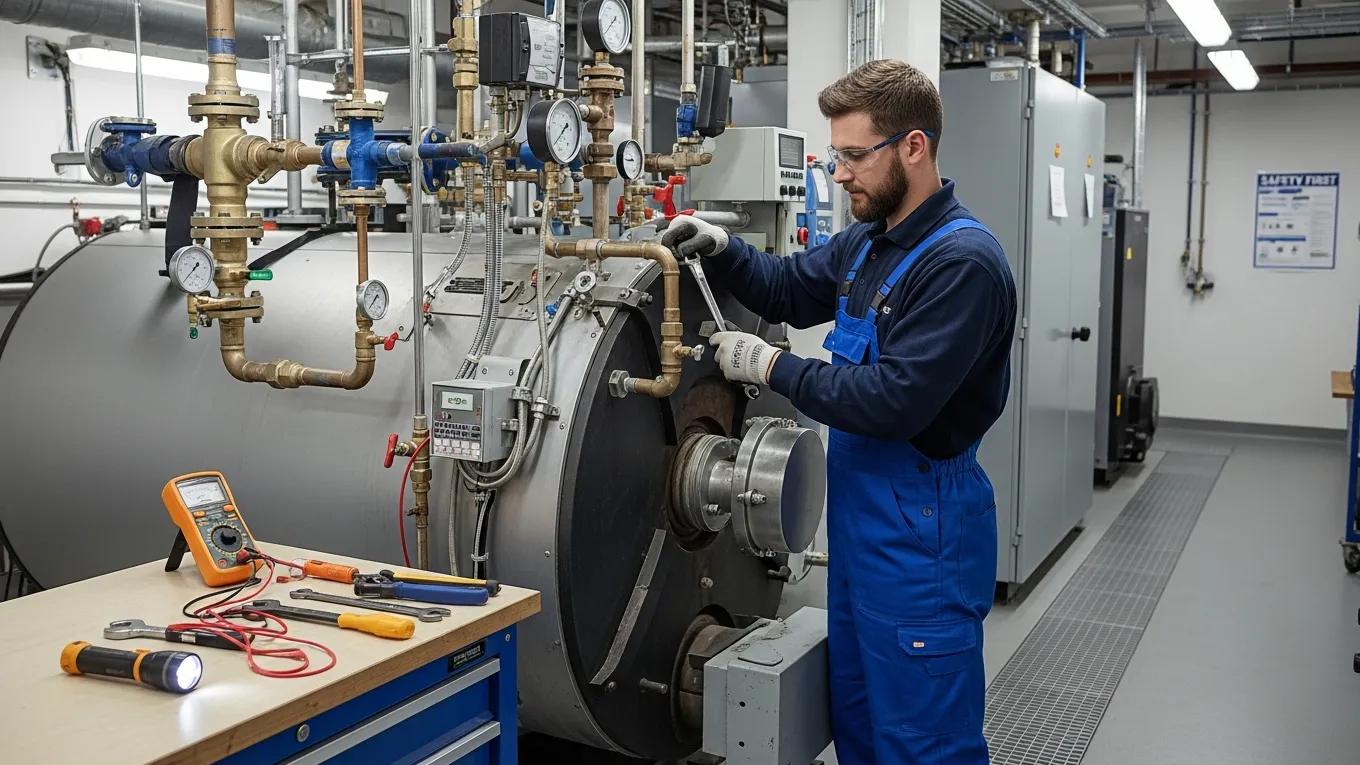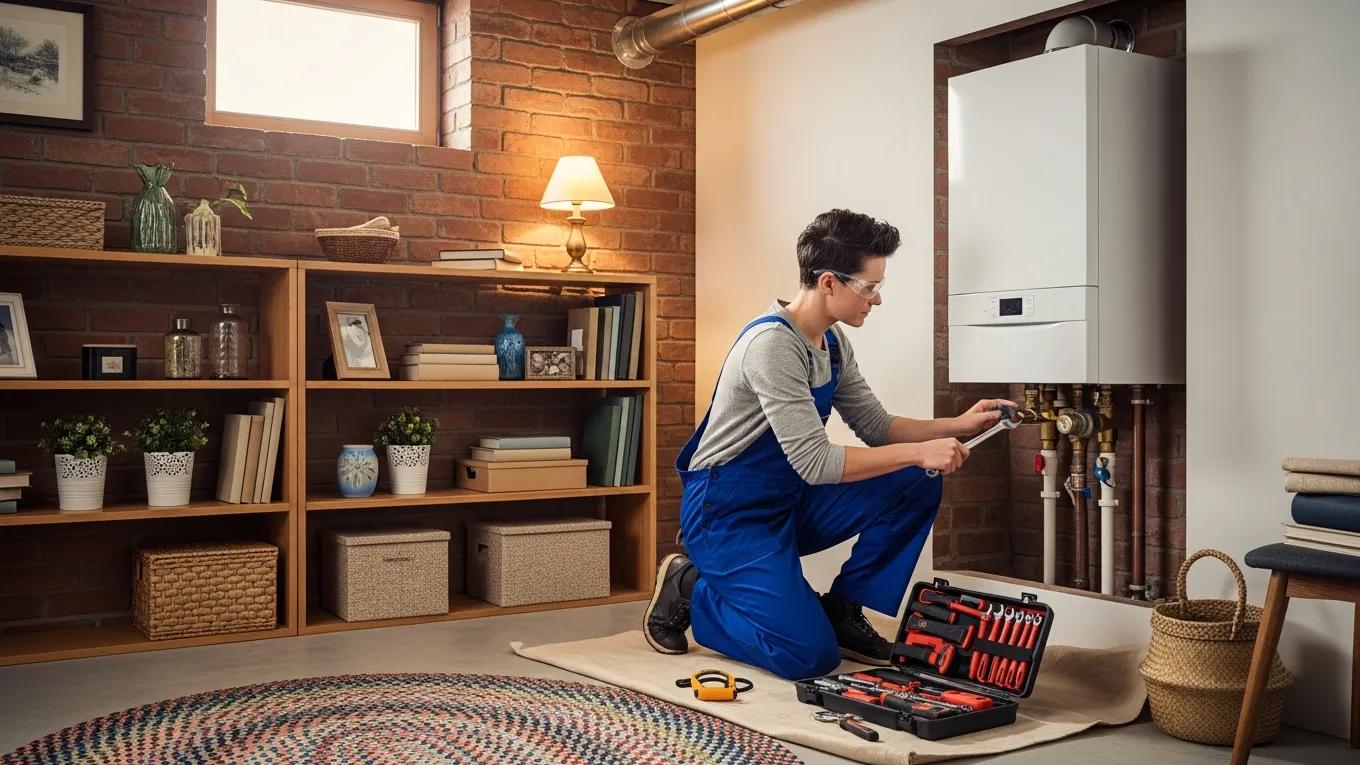
Category Archives: Commercial Boilers

Urgent Signs Your Commercial Boiler Needs Repair Immediately

Top Signs Your Commercial Boiler Needs Urgent Repair: Essential Commercial Boiler Repair Signs and Emergency Symptoms Explained
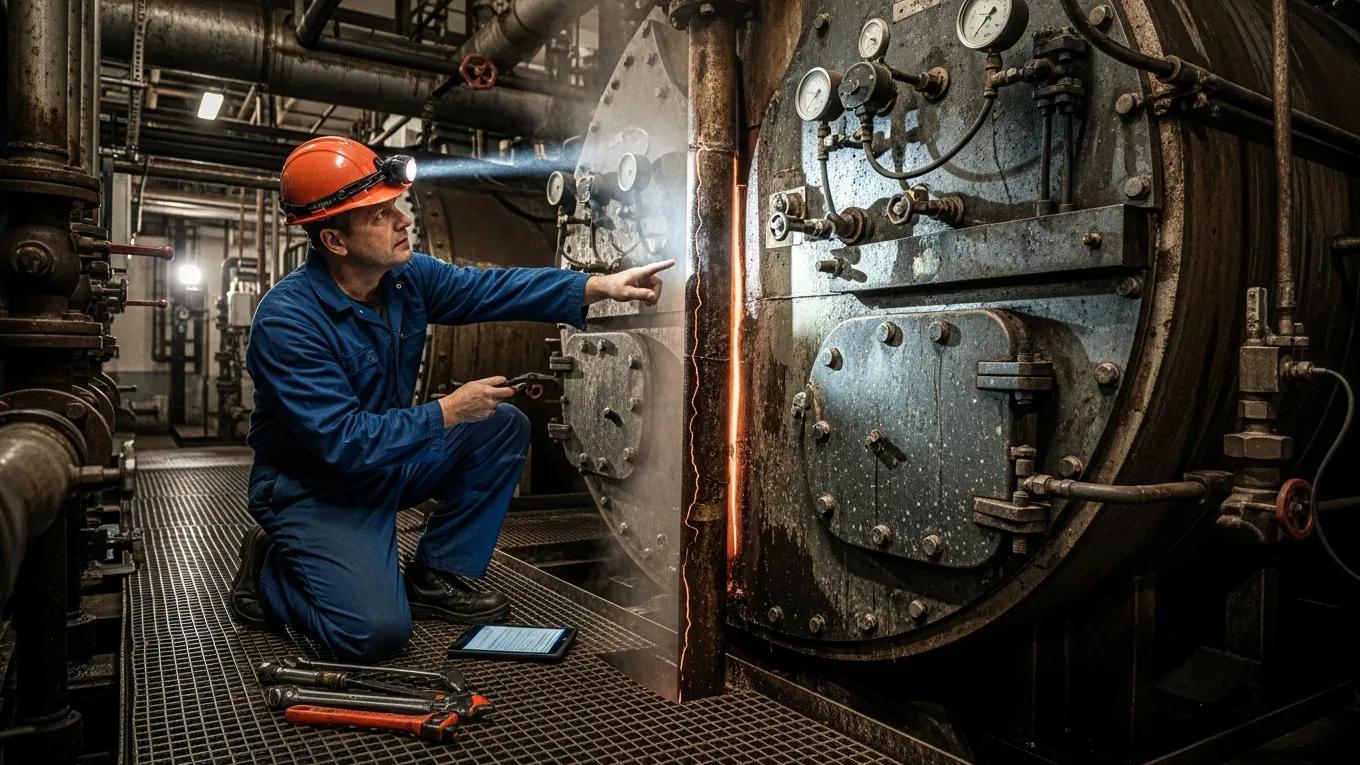
Commercial boiler being inspected by a technician, highlighting urgent repair needs

Commercial boilers keep business spaces comfortable and efficient. Like any mechanical system, they can fail and need prompt attention. This article lists the common emergency symptoms, maintenance red flags, and practical steps to take. Recognizing these signs helps you act quickly to keep the boiler safe and efficient. For full heating services, consider visiting Young’s Heating.

What Are the Most Common Emergency Boiler Repair Symptoms to Watch For?

Spotting warning signs early keeps commercial boilers reliable and prevents costly repairs or hazards. Below are common emergency symptoms:

  1. Unusual Noises: Strange sounds—banging, whistling, gurgling—often indicate internal faults needing immediate attention.
  2. Water Leaks: Any leak from the boiler can signal pressure problems or failed components and should be repaired promptly.
  3. Pressure Drops: Sudden pressure loss suggests leaks, gauge failure, or other system faults that require fast diagnosis.

Recognize these signs and schedule maintenance; regular duct cleaning and routine service help prevent problems.

How Does a Boiler Not Heating Properly Indicate Urgent Repair Needs?

Poor heating can result from a faulty thermostat, a failing pump, or trapped air. These faults reduce comfort and may damage the boiler if ignored. If heating is inadequate, arrange a professional diagnosis right away.

What Do Boiler Leaking Water Problems Reveal About Boiler Condition?

Close-up of a leaking commercial boiler, indicating serious maintenance issues

Leaks usually point to failed valves, gaskets, or connections. Left unchecked, leaks cause water damage and higher operating costs. Inspect and repair any leak promptly to protect the system.

Which Commercial Boiler Maintenance Issues Signal the Need for Immediate Attention?

Some maintenance issues require fast action to keep the boiler safe and reliable. Regular servicing prevents many problems, but act quickly when warning signs appear.

  1. Pressure Drops: Persistent or sudden drops can indicate leaks or blockages that risk system failure.
  2. Unusual Noises: Banging, hissing or clanking often mean failing components or trapped air and need investigation.
  3. Failure to Start: Electrical faults or thermostat failure can leave systems offline—call a technician for safe troubleshooting.

Promptly addressing these issues reduces repair costs and keeps your boiler running efficiently.

How Can Pressure Drops and Unusual Noises Indicate Boiler Malfunctions?

Low pressure commonly signals leaks or blockages; odd noises often point to sediment build-up or worn parts. Check both right away to avoid larger failures and safety risks.

What Are the Risks of Ignoring Preventive Maintenance Signs?

Skipping preventive maintenance raises safety risks and operating costs. Breakdowns disrupt operations and can create hazards like carbon monoxide leaks. The longer repairs are delayed, the costlier and more dangerous the outcome. Regular inspections keep the system safe and efficient.

What Steps Should You Take When You Notice These Urgent Boiler Repair Signs?
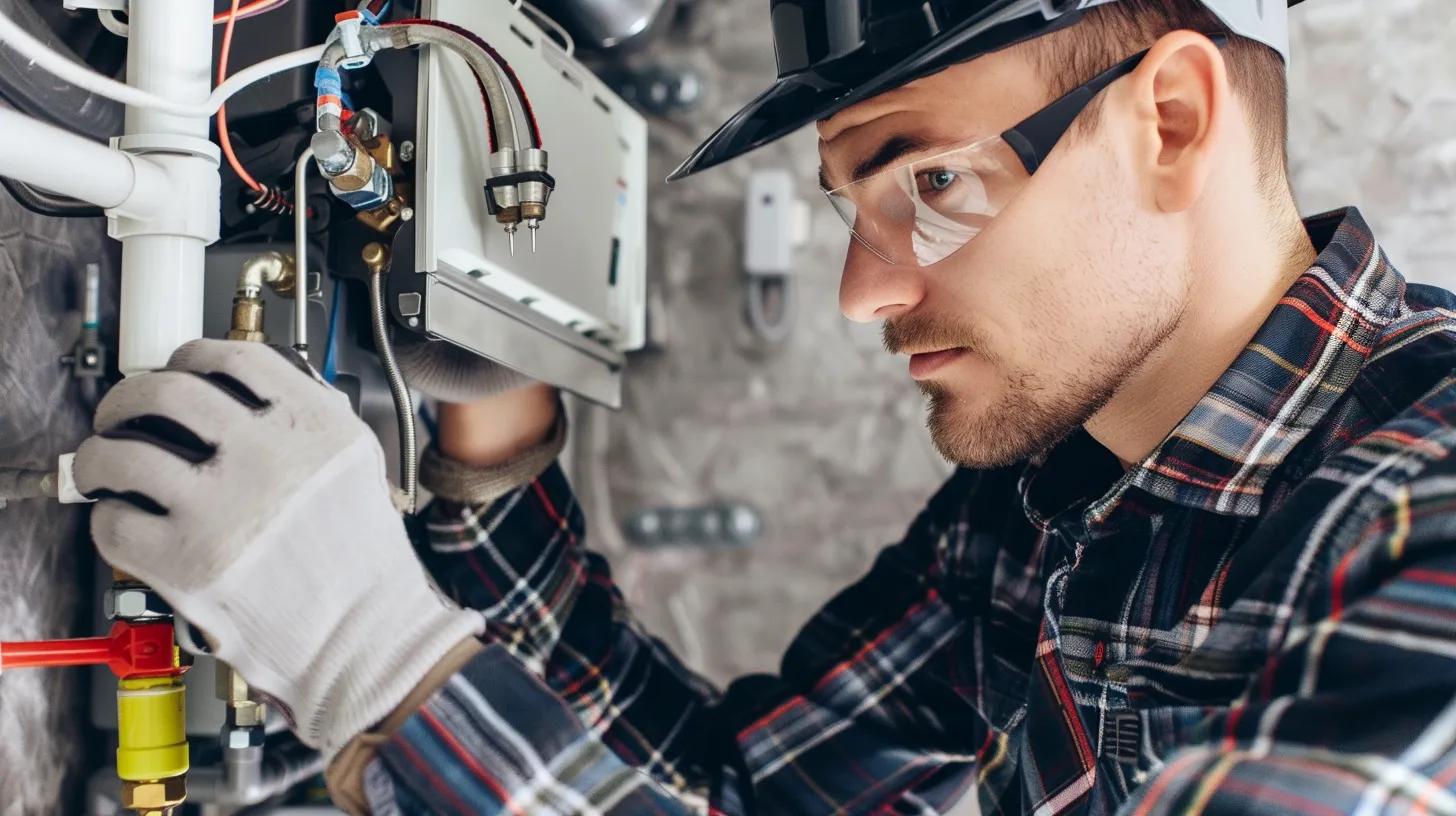
Technician performing boiler maintenance in a cozy home environment

If you notice urgent repair signs, act quickly to limit damage and protect people. Follow these steps:

  1. Turn Off the Boiler: For alarming symptoms, shut the boiler down to prevent further damage.
  2. Assess the Situation: Check for visible leaks, unusual noises, or pressure changes and note what you see.
  3. Contact a Professional: Call a qualified HVAC technician for assessment and repair—commercial systems need trained service.

How to Respond to Emergency Boiler Repair Symptoms Effectively?

Shut off the boiler for safety, record the symptoms, and contact a licensed technician. Quick, methodical action reduces damage and keeps staff safe.

When Should You Contact a Professional for Commercial Boiler Repair?

Contact a licensed HVAC professional whenever you see the symptoms above. Professionals diagnose and repair commercial boilers and offer emergency and preventative services for commercial properties.

Professionals use diagnostic tools to assess boiler performance and safety, as research on HVAC installations highlights.

Diagnostic Tools for Commercial Boiler Performance & Safety

Comprehensive diagnostic and improvement tools were developed to evaluate equipment performance (including airflow, refrigerant charge, and economizer operation), duct-system performance (including duct leakage, zonal flows, and thermal-energy delivery), and combustion appliance safety within these buildings.

Comprehensive Diagnostic and Improvement Tools for HVAC-System Installations in Light Commercial Buildings, 2004

Why Is Timely Commercial Boiler Repair Critical for Safety and Efficiency?

Timely repairs protect safety and restore efficiency. Delaying fixes can raise safety risks—such as carbon monoxide exposure—and reduce heating performance.

  1. Safety Implications: Delayed repairs increase the risk of gas leaks or carbon monoxide buildup, which can threaten health.
  2. Efficiency Benefits: Prompt repairs restore efficiency, lowering energy costs and improving performance.
  3. Long-term Cost Savings: Fixing problems early prevents bigger repairs and extends boiler life.

Understanding the value of prompt repairs helps keep your heating system safe, efficient, and cost-effective.

How Does Delayed Repair Increase Safety Risks Like Carbon Monoxide Exposure?

Delaying repairs raises the risk of carbon monoxide exposure. A malfunctioning boiler can produce dangerous CO levels—regular maintenance and timely fixes reduce that risk.

What Are the Energy Efficiency Benefits of Prompt Boiler Maintenance?

Regular inspections and timely repairs lower energy use and utility bills. A well-maintained boiler runs more efficiently, lasts longer, and postpones costly replacements. Routine care keeps performance reliable.

Frequently Asked Questions

What should I do if my commercial boiler is making unusual noises?

Turn the boiler off, note the type of noise, and call a licensed HVAC technician. Noises like banging or gurgling often mean trapped air or failing parts and should be inspected.

How often should I schedule maintenance for my commercial boiler?

Schedule maintenance at least once a year; high-use systems may need more frequent service. Annual checks catch small issues before they grow.

What are the signs that indicate a boiler needs to be replaced rather than repaired?

Consider replacement for boilers over 15 years old, those that fail frequently, or when repair costs approach replacement cost. A professional can advise based on performance and efficiency.

Can I perform any maintenance on my commercial boiler myself?

Facility staff can monitor pressure and keep the area clear, but most maintenance and all repairs should be done by qualified technicians to avoid safety risks.

What are the potential consequences of ignoring boiler repair signs?

Ignoring signs can cause safety hazards, costly breakdowns, higher energy bills, and possible system failure. Address issues promptly to protect people and operations.

How can I improve the energy efficiency of my commercial boiler?

Improve efficiency with regular maintenance, timely repairs, insulation, and targeted upgrades. Consider a high-efficiency boiler and smart controls to reduce energy use and costs.

Conclusion

Recognizing urgent repair signs keeps your facility safe and your heating reliable. Address unusual noises, leaks, and pressure drops quickly to avoid costly repairs and maintain performance. Regular maintenance and timely fixes extend boiler life and protect operations. For expert help and comprehensive heating solutions, contact our team today.

Is Your Commercial Boiler Failing? Know the Warning Signs

Top Signs Your Commercial Boiler Needs Immediate Repair or Replacement: A Comprehensive Guide

Commercial boiler being inspected by a technician in a business environment

Commercial boilers keep spaces comfortable and efficient but can fail like any mechanical equipment. Spotting repair or replacement signs early prevents downtime and protects occupants. This guide highlights the main warnings, when replacement makes sense, maintenance priorities, and basic troubleshooting to help evaluate services from Youngs Heating and Cooling.

What Are the Most Common Signs Your Commercial Boiler Requires Immediate Repair?

Early detection preserves safety and efficiency. Pay attention to unusual noises, visible leaks, and pressure changes; addressing these promptly limits damage and risk.

  1. Unusual Noises: Banging, whistling, or gurgling often means air in the system, sediment, or loose parts.
  2. Leaks: Pooling water or drips usually indicate corrosion, failed seals, or a damaged component.
  3. Pressure Issues: Low or fluctuating pressure suggests a leak or a faulty pressure-relief valve and reduces heating performance.

For businesses in Walla Walla, WA, Youngs Heating and Cooling provides commercial boiler repair and replacement to keep systems safe and efficient.

How Does Boiler Pressure Indicate Repair Needs?

Technician checking the pressure gauge of a commercial boiler in a boiler room

Pressure is critical. Most commercial boilers operate near 12–15 psi. Low pressure causes poor heating; high pressure often means a faulty relief valve. Regular pressure checks help catch issues before they turn into failures.

What Do Unusual Noises and Leaks Reveal About Boiler Health?

Noises commonly indicate trapped air, sediment, or loose components. Leaks point to corrosion or failing seals and can cause water damage if ignored. Repair these issues early to avoid larger failures.

When Should You Consider Replacing Your Commercial Boiler?

Replacement decisions hinge on age, efficiency, and safety. The right timing can lower long-term costs and improve energy performance.

  1. Age of the Boiler: Most commercial boilers last roughly 15–30 years. Older units are candidates for replacement.
  2. Efficiency Concerns: Declining efficiency and rising fuel costs can justify an upgrade to a newer model.
  3. Safety Issues: Repeated breakdowns or safety hazards (for example, carbon monoxide risks) are strong signals to replace the unit.

Youngs Heating and Cooling can evaluate your system and recommend repair or replacement based on cost and safety.

How Does Boiler Age Affect Replacement Decisions?

As boilers age they lose efficiency, become harder to service, and may not meet current safety standards. If yours is over about 20 years old, schedule a professional inspection to review replacement options.

What Efficiency and Safety Factors Signal Replacement Necessity?

Frequent repairs, low efficiency ratings, persistent pressure problems, or any confirmed carbon monoxide issue favor replacement. Newer systems typically use less fuel and reduce operating costs.

What Are Common Maintenance Issues That Impact Commercial Boiler Performance?

Regular maintenance prevents efficiency loss and safety risks. Simple preventative steps avoid many major problems and extend equipment life.

Prioritizing Industrial Boiler Maintenance for Efficiency

As a result, energy-efficiency practices (EEPs) such as condensate reuse, maintenance and repair of steam traps, insulation of steam boilers, and upkeep of distribution systems were identified as priority measures. By contrast, heat recovery from waste flue gases, economizer installation, and heat recovery from blow down ranked lower. The results showed prevention-oriented practices were higher priority than pollution control and recovery practices.

Selection of priority energy efficiency practices for industrial steam boilers by PROMETHEE decision model, E Ozturk, 2021

  1. Routine Inspections: Scheduled checks find issues before they escalate.
  2. Cleaning Procedures: Removing dirt and scale preserves heat transfer and efficiency.
  3. Safety Checks: Verifying valves, controls, and combustion prevents hazards.

Which Maintenance Checks Prevent Emergency Repairs?

Technician performing routine maintenance checks on a commercial boiler

Routine service reduces emergency calls. Key tasks include:

  • Inspecting the pressure relief valve
  • Checking for leaks
  • Flushing the system to remove sediment and restore flow

How Can Regular Maintenance Extend Boiler Lifespan?

Consistent servicing improves performance and extends life. A maintenance schedule helps you:

  • Identify issues early before they require major repairs
  • Maintain efficiency to lower fuel costs
  • Keep the system safe for occupants and staff

How Can Troubleshooting Tips Help Identify Boiler Problems Early?

Basic troubleshooting can reveal issues and save time and money before calling a technician.

  1. Check Thermostat Settings
  2. Inspect the Pilot Light
  3. Look for Blockages in vents and flues

What Are Quick Diagnostic Steps for Boilers Not Heating Properly?

If heat is insufficient, try these quick checks:

  • Verify thermostat settings
  • Check the power supply and breakers
  • Inspect for visible leaks

When Is Professional Commercial Boiler Repair Recommended?

Call a licensed technician for any serious signs or when in doubt.

  • Frequent breakdowns that disrupt operations
  • Safety concerns, including suspected gas leaks or CO
  • Inability to maintain pressure despite basic checks

Recognizing warning signs and keeping a maintenance plan helps your boiler run safely and efficiently. For expert help, contact Youngs Heating and Cooling’s duct cleaning services, your local Walla Walla provider for HVAC, plumbing, and electrical services.

Frequently Asked Questions

What are the benefits of regular boiler maintenance?

Routine maintenance improves efficiency, reduces downtime, extends equipment life, and helps you meet safety requirements.

How can I tell if my boiler is energy efficient?

Check the AFUE rating (higher is better) and monitor fuel or energy bills for unexplained increases; older units often justify upgrades.

What should I do if I smell gas near my boiler?

Evacuate immediately, avoid using switches or phones near the area, and call your gas supplier or emergency services from a safe location.

Can I perform boiler maintenance myself?

Basic checks like reading the pressure gauge and clearing vents are fine for staff. For inspections, repairs, or safety work, hire a qualified technician.

What are the signs of a failing pressure relief valve?

Frequent pressure swings, leaks around the valve, or hissing/popping noises suggest the valve needs inspection and likely replacement.

How often should I have my commercial boiler inspected?

Have the boiler inspected at least once a year; high-demand systems or local rules may require more frequent checks.

Conclusion

Recognizing repair or replacement signs keeps your commercial boiler safe and efficient. Address noises, leaks, and pressure issues quickly, and maintain a regular service schedule to extend life and lower operating costs. For expert evaluation and service options, contact Youngs Heating and Cooling.

Recognize Energy-Efficient Boiler Installations: 5 Key Signs

5 Key Signs Your Commercial Boiler Installation Is Energy-Efficient and Cost-Effective

Modern commercial boiler installation showcasing energy-efficient features in an industrial setting

Energy efficiency and cost control are top priorities for businesses with commercial boilers. Recognising the signs of an efficient installation helps cut operating costs and reduce environmental impact. This article highlights five indicators of a cost-effective boiler—proper sizing and installation, efficiency ratings, regular maintenance, and measurable savings—and explains what to check during installation and how to maintain performance.

How Does Proper Sizing and Installation Indicate Boiler Efficiency?

Technician measuring a commercial boiler for proper sizing in a mechanical room

Correct sizing is essential: a right-sized unit runs optimally, reducing energy waste and wear. Oversized boilers short-cycle and undersized units struggle to meet demand. Youngs Heating and Cooling offers professional installation to size boilers for your facility, improving efficiency and supporting long-term savings.

What Are the Effects of Correct Boiler Sizing on Energy Use?

Proper sizing lowers energy use and trims utility bills. A boiler matched to the building’s heating load holds temperature steady without frequent on/off cycles, which cuts losses from cycling.

The right size smooths overall system performance, reducing operating costs and shrinking the carbon footprint—benefiting both your budget and the environment.

How Does Professional Installation Enhance Cost-Effectiveness?

Experienced installers set up boilers to code and optimise integration, reducing failures and costly repairs. Well-installed systems deliver measurable savings; many businesses recover installation costs within a few years through lower energy and maintenance expenses. Choosing a trusted provider like Youngs Heating and Cooling helps ensure those outcomes.

What Energy Efficiency Ratings and Features Should You Look For?

Check energy efficiency ratings when evaluating boilers. Ratings such as Energy Star indicate how effectively a boiler converts fuel into usable heat. Higher-rated models usually mean lower energy use and operating costs.

Look for features like modulating burners and smart controls. These technologies fine-tune output and energy use, improving temperature control and reducing waste.

How Do Energy Star and Other Ratings Reflect Boiler Performance?

Energy Star and similar ratings act as benchmarks for efficiency. Boilers that meet these standards are designed to reduce fuel use and lower utility bills.

Compared with unrated models, Energy Star-certified boilers often include better insulation, advanced combustion, and improved heat exchange—design elements that boost performance and cut emissions.

Which Advanced Controls Improve Commercial Boiler Efficiency?

Advanced controls are key to optimisation. Smart thermostats and automated control systems let you manage temperature precisely and avoid wasted energy.

These controls adapt boiler output to real-time demand so energy is used only when needed. Integrating them can deliver noticeable energy savings and smoother operations.

Research on industrial boiler systems supports the efficiency gains from advanced controls.

Industrial Boiler Energy Savings & Emission Reduction

The paper estimates boiler fan motor energy use using energy audit data and quantifies energy savings from VSDs that modulate fan speed. It also estimates bill savings and associated emission reductions from VSD use, and notes the CO2 reductions tied to those energy savings.

Energy savings and emission reductions in industrial boilers, R Saidur, 2011

Why Is Regular Maintenance Essential for Sustained Boiler Efficiency?

Routine maintenance keeps a commercial boiler running at peak efficiency over its life. Regular inspections and servicing catch issues early, before they become costly failures.

Consistent maintenance ensures components perform correctly, extends equipment life, and sustains ongoing cost savings.

What Maintenance Practices Maximize Energy Savings?

Technician performing maintenance on a commercial boiler, highlighting key maintenance practices

To maximise energy savings, implement these maintenance practices:

  1. Routine Inspections: Regular checks detect issues early.
  2. Cleaning and Adjustments: Clean systems and tune controls for peak performance.
  3. System Testing: Test safety and efficiency features to stay compliant and reliable.

Following these steps helps keep boilers efficient and cost-effective throughout their service life.

How Often Should Commercial Boilers Be Serviced for Optimal Performance?

Industry guidance recommends servicing commercial boilers at least once a year, though heavy use or specific site conditions may require more frequent checks.

Regular service preserves efficiency, meets safety requirements, and reduces downtime risk. A scheduled plan with a trusted provider like Youngs Heating and Cooling helps you stay on top of maintenance.

How Do Cost Savings and ROI Demonstrate Installation Effectiveness?

Cost savings and return on investment show whether an installation is effective. Reviewing energy bills and maintenance spending reveals the financial benefit of an efficient boiler system.

A well-installed, well-maintained boiler often produces substantial savings over time, making it a sound financial decision for businesses.

What Are the Financial Benefits of Energy-Efficient Boiler Installations?

Energy-efficient boilers deliver several financial upsides, including:

  1. Lower Energy Bills: Less fuel use cuts ongoing costs.
  2. Increased Property Value: Efficient systems can raise asset value and market appeal.
  3. Tax Incentives: Many regions offer credits or incentives for energy-efficient upgrades, improving ROI.

These benefits underline the value of investing in quality, efficient boiler systems.

How Can Case Studies Illustrate Real-World Cost Savings?

Case studies show real savings from efficient boilers. One local business that switched to an Energy Star-rated boiler cut energy costs by about 30% in the first year.

Such examples show the tangible returns from proper installation and upkeep. Reviewing case studies helps businesses estimate potential savings and ROI for their own projects.

Installation TypeEnergy SavingsROI Period
Standard Boiler10-15%5 years
Energy Star Boiler20-30%3 years
High-Efficiency Boiler30-50%2 years

For businesses that also prioritise indoor air quality, professional duct cleaning can support clean airflow and improve overall HVAC performance alongside your boiler.

Frequently Asked Questions

What are the common signs that indicate a commercial boiler needs maintenance?

Watch for unusual noises (banging, hissing), fluctuating or uneven heating, leaks or pooling water, and unexplained rises in energy bills. Any of these signs warrants professional inspection.

How can businesses ensure they choose the right boiler for their needs?

Assess heating needs by floor area, occupant numbers, and peak usage. Consult a professional installer for load calculations and options, check efficiency ratings, and plan for future growth to ensure the chosen boiler meets current and future demands.

What role do advanced technologies play in enhancing boiler efficiency?

Smart thermostats, automated controls, and variable speed drives (VSD) enable real-time adjustments and better matching of output to demand. VSDs modulate fan speed to match load and reduce energy use, delivering measurable savings and smoother operation.

Are there specific regulations that commercial boilers must comply with?

Yes. Boilers must meet safety and environmental regulations that vary by region. Typical rules cover emissions, efficiency ratings, and inspections. Compliance with standards from bodies like ASME and local codes is essential; regular inspections and maintenance help ensure compliance.

What are the potential environmental benefits of using energy-efficient boilers?

Energy-efficient boilers use less fuel and emit fewer greenhouse gases, lowering a facility’s carbon footprint. Many models also reduce pollutants, improving air quality while saving on energy costs.

How can businesses track the performance and efficiency of their boilers?

Track performance with energy consumption monitoring and maintenance logs. Smart monitoring systems provide real-time data to spot trends and issues, and annual energy audits can identify improvements to keep the boiler operating at peak efficiency.

Conclusion

Recognising the signs of an energy-efficient, cost-effective boiler helps you maximise savings and reduce environmental impact. Prioritise proper sizing, professional installation, strong efficiency ratings, and regular maintenance to secure long-term performance and value. For tailored solutions and expert guidance, contact us to explore your options.

Optimize Boiler Efficiency: Key Maintenance Tips You Need

Commercial Boiler Maintenance Checklist: Essential Tips to Ensure Efficiency and Longevity

Commercial boiler maintenance with technician inspecting components

Commercial boiler maintenance keeps systems efficient and extends equipment life. Regular servicing prevents costly breakdowns and improves energy use, lowering operating costs. This checklist covers key inspections, preventive tasks, and troubleshooting steps to help businesses reduce downtime and maintain peak performance.

Industrial boilers are a major investment and require robust maintenance plans.

Industrial Boiler Maintenance for Reliability & Cost Savings

Industrial boilers supply more than 65% of the world’s energy demand and are essential to many manufacturing processes. They’re valuable assets that need suitable maintenance plans because they represent a significant investment for businesses.

Review and classification of industrial boilers maintenance and a reliability-centered maintenance methodology proposal for production plants, 2018

What Are the Key Inspection Procedures for Commercial Boilers?

Technician performing boiler maintenance in a cozy home environment

Regular inspections keep boilers safe and efficient. Inspections review component condition, check for leaks, and verify safety devices so faults are identified before they worsen.

How to Perform Routine Boiler Component Checks?

Inspect core components regularly to maintain performance. Key items include:

  1. Burners: Ensure they are clean and functioning properly to maintain efficient combustion.
  2. Heat Exchangers: Check for scale buildup that can hinder heat transfer.
  3. Safety Valves: Test for proper operation to prevent overpressure situations.

Perform these checks at least once a month, using pressure gauges and thermometers to monitor performance accurately.

Which Safety Protocols Should Be Verified During Inspections?

Safety checks ensure regulatory compliance and protect staff. Important safety items include:

  1. Pressure Relief Valves: Verify they are functioning correctly to prevent dangerous pressure buildup.
  2. Emergency Shutoff Systems: Test these systems to ensure they activate promptly in an emergency.
  3. Ventilation Systems: Ensure exhaust paths are clear and functioning to prevent hazardous gas accumulation.

Adhering to these checks reduces accident risk and helps maintain a safe workplace.

Which Preventive Maintenance Tasks Optimize Boiler Performance?

Technician performing cleaning tasks on a commercial boiler

Preventive tasks — cleaning, water treatment, and system checks — help keep boilers efficient and extend service life.

What Are the Essential Cleaning and Water Treatment Steps?

Proper cleaning and water treatment prevent scale and corrosion. Key steps include:

  1. Regular Cleaning: Schedule cleaning of the boiler and its components to remove soot and scale buildup.
  2. Water Treatment: Implement a water treatment program to prevent corrosion and scale formation, which can impair efficiency.
  3. Blowdown Procedures: Regularly perform blowdown to remove sediment and impurities from the boiler water.

These steps improve heat transfer and boost energy efficiency.

Water treatment directly affects a boiler’s operational integrity and lifespan.

Boiler Feedwater Treatment Prevents Failures & Downtime

Poor boiler feedwater treatment causes significant operating failures in industrial boilers. Proper treatment increases equipment service life and prevents prolonged downtime.

Principles, operational challenges, and perspectives in boiler feedwater treatment process, MS Fard, 2023

How Does Regular Maintenance Improve Energy Efficiency?

Regular maintenance reduces fuel use and operating costs by keeping components clean and functioning. Key benefits include:

  1. Increased Efficiency: Well-maintained boilers operate more efficiently, leading to lower energy bills.
  2. Extended Lifespan: Regular checks and maintenance can prolong the life of the boiler, reducing the need for costly replacements.
  3. Reduced Downtime: Preventive maintenance minimizes the risk of unexpected breakdowns, ensuring continuous operation.

Routine maintenance is cost-effective: it boosts efficiency and lowers overall operating costs.

Research supports the value of clear preventive maintenance strategies for industrial boilers.

Preventive Maintenance Strategies for Industrial Boilers

This study examines preventive maintenance strategies for steam boilers in Kuwaiti industries and proposes an approach for better management and effective maintenance.

Preventive maintenance of boiler: A case of Kuwait industry, MY Ali, 2019

How Can You Troubleshoot Common Commercial Boiler Issues?

Troubleshooting saves time and money. Spotting inefficiency early lets you act before problems grow.

What Are Typical Signs of Boiler Inefficiency and Malfunction?

Watch for these common signs:

  1. Increased Fuel Consumption: A noticeable rise in fuel usage can indicate underlying issues.
  2. Unusual Noises: Sounds such as banging or hissing may signal component problems.
  3. Temperature Fluctuations: Inconsistent heating can suggest issues with the heat exchanger or burner.

Monitoring these signals enables early fixes and helps avoid costly repairs.

Which Troubleshooting Techniques Resolve Frequent Boiler Problems?

Use these troubleshooting techniques to address common issues:

  1. Visual Inspections: Regularly inspect the boiler for leaks, corrosion, and other visible issues.
  2. Performance Monitoring: Use gauges to monitor pressure and temperature, ensuring readings stay within normal ranges.
  3. Consulting Professionals: For complex issues, consult HVAC professionals who can diagnose and repair safely.

Apply these methods to keep boilers efficient and reduce repair costs.

How Does Youngs Heating and Cooling Support Your Boiler Maintenance Needs?

Youngs Heating and Cooling, based in Walla Walla, WA, provides HVAC, plumbing, and electrical services with experience in commercial boiler maintenance. Their work helps businesses keep boilers reliable. For complementary duct cleaning that can improve system efficiency, see their duct cleaning offerings.

What Local Expertise and Services Are Offered in Walla Walla WA?

Youngs provides a range of local services, including:

  1. Comprehensive Inspections: Detailed inspections to identify potential issues before they become major problems.
  2. Preventive Maintenance Plans: Customized maintenance plans designed to keep boilers running efficiently.
  3. Emergency Services: Rapid response for urgent boiler issues to minimize downtime.

Their local expertise delivers reliable service. Learn more on the Youngs Heating and Cooling website.

How to Book Commercial Boiler Maintenance Services Easily?

Booking is simple. Clients can:

  1. Contact Directly: Reach out via phone or email to discuss needs and schedule appointments.
  2. Online Booking: Use the website for easy online scheduling of maintenance services.
  3. Service Guarantees: Benefit from guarantees that help ensure satisfaction and peace of mind.

This process makes it straightforward to keep boiler systems maintained.

Frequently Asked Questions

What are the benefits of regular boiler maintenance?

Regular maintenance improves energy efficiency, lowers fuel costs, and extends equipment life. It prevents unexpected breakdowns, helps meet safety requirements, and boosts operational reliability, saving money over time.

How often should commercial boilers be serviced?

Service commercial boilers at least once a year; high-demand sites may need quarterly or biannual checks. Tailor the schedule to usage and operating conditions to prevent downtime and meet regulations.

What qualifications should a boiler technician have?

A qualified technician should hold relevant HVAC and boiler certifications, be licensed, and have experience with commercial boilers. Recognised credentials (for example, NICET) and ongoing safety training indicate reliable expertise.

What should I do if my boiler shows signs of malfunction?

If you notice unusual noises, temperature swings, or higher fuel use, switch the boiler off and call a qualified technician. Avoid DIY repairs; prompt professional inspection reduces risk and repair costs.

Are there specific regulations for commercial boiler maintenance?

Yes. Regulations vary by region and may include OSHA standards and local building codes. Regular inspections and maintenance are often required; consult a qualified technician to ensure compliance.

What role does water treatment play in boiler maintenance?

Water treatment prevents corrosion and scale that reduce efficiency. Use chemicals to control pH, remove impurities, and perform regular blowdown to clear sediment. Proper treatment improves performance and extends equipment life.

Conclusion

Regular maintenance maximises efficiency and extends boiler lifespan, cutting operating costs. Following a thorough checklist prevents breakdowns and supports safety compliance. Professional service improves performance and reliability. Discover how Youngs Heating and Cooling can assist with your boiler maintenance today.

5 Key Tips to Select Your Ideal Commercial Boiler Installer

5 Essential Tips for Choosing the Best Commercial Boiler Installation Service for Your Business in Walla Walla

Technician performing boiler maintenance in a cozy home environment

Selecting the right commercial boiler installation service keeps your heating reliable and efficient; correct installation improves comfort and reduces energy and operating costs. This article outlines five practical tips to help you choose the best service: verify licensing and certifications, check experience and references, understand boiler types and efficiency ratings, and review costs and warranty options. Use these tips to make a well-informed choice for your business.

How Do You Verify Licensing and Certifications of Commercial Boiler Installers?

Checking installers’ licenses and certifications lets you confirm they meet required standards. Licensed contractors must follow state regulations, protecting work quality and safety. Industry certifications show the installer has training and follows recommended installation practices.

What Licensing Requirements Should a Commercial Boiler Contractor Meet?

Commercial boiler contractor showcasing licensing and certification documents in a professional setting

In Walla Walla, commercial boiler contractors need a valid Washington state license. This generally involves passing exams that cover local codes and safety rules. Always ask potential contractors to show proof of their license to confirm compliance.

Why Is Certification Important for Boiler Installation Services?

Certification signals a contractor’s focus on quality and safety. Certified installers train on current technologies and installation methods, which can improve system performance and lifespan. Hiring certified professionals reduces the chance of installation errors that lead to costly repairs or safety problems.

Further research highlights the importance of accredited professionals in ensuring the quality and safety of commercial boiler installations.

Commercial Boiler Installation: Accreditation & Qualifications

UK commercial systems tend to be designed by accredited professionals. Combi boiler simplicity, heat pump use, plumbing qualifications and short-course training are all factors.

Residential heat pump installations: the role of vocational education and training, 2016

What Experience and References Should You Look for in Commercial Boiler Installers?

Experience strongly influences installation quality. Installers with a proven track record are more likely to deliver reliable results. Look at how long they’ve been in business and the types of projects they’ve completed.

How to Evaluate Installer Experience with Commercial Boilers

Ask about past projects similar to yours and request details on the boiler types they installed and challenges they resolved. Those specifics reveal practical expertise and problem-solving ability.

Where to Find Reliable References and Case Studies?

Find references in online reviews, client testimonials and case studies. Check platforms like Google or Yelp for feedback, and consult industry associations for lists of reputable contractors with verified experience.

How Do Different Commercial Boiler Types and Efficiency Ratings Affect Your Choice?

Knowing boiler types and efficiency ratings helps you pick equipment that matches your needs. Each type has different strengths, and efficiency ratings directly affect operating costs.

What Are the Common Commercial Boiler Types and Their Benefits?

Different types of commercial boilers displayed in an industrial setting, highlighting their unique features and benefits

Common commercial boilers include fire-tube, water-tube and condensing models. Fire-tube boilers offer durability and simple maintenance; water-tube boilers suit larger demands. Condensing boilers capture waste heat for higher efficiency, making them a strong option for energy-conscious businesses.

Beyond the benefits of specific boiler types, selecting equipment that complies with environmental regulations is also a critical consideration for businesses.

Selecting Low-Emission Commercial Boilers & Regulatory Compliance

Boiler owners and operators who need additional generating capacity face a number of legal, political, environmental, economic, and technical challenges. Their key to success requires selection of an adequately sized low-emission boiler and combustion equipment that can be operated in compliance with emission standards established by state and federal regulatory agencies.

Guide to low-emission boiler and combustion equipment selection, 2002

How Do Efficiency Ratings Impact Boiler Performance and Cost?

Efficiency ratings, such as AFUE, show how well a boiler converts fuel into heat. Higher ratings lower fuel costs and reduce environmental impact. When choosing a boiler, balance the upfront price with the long-term savings from a more efficient model.

The financial benefits of choosing a high-efficiency commercial boiler are substantial, as demonstrated by various energy management programs.

Commercial Boiler Efficiency & Energy Savings Recommendations

Under the direction of DOE’s Federal Energy Management Program (FEMP), the Procurement Challenge’s goal is to create efficiency recommendations for all energy-using products that could substantially impact the government’s energy reduction goals, like commercial boilers. A typical 5,000,000 Btuh boiler, with a thermal efficiency of 83.2 percent, can have lifetime energy cost savings of $40,000 when compared to a boiler with a thermal efficiency of 78 percent.

Establishing an energy efficieny recommendation for commercial boilers, 2000

What Are the Key Cost Factors and Warranty Considerations for Commercial Boiler Installation?

Cost is a major consideration when selecting a commercial boiler installer. Knowing the cost components and warranty choices helps you decide with confidence.

How to Compare Commercial Boiler Installation Costs Effectively?

Compare the boiler type, installation complexity and any extra services required. Request detailed quotes from several contractors so you can compare like for like; that approach helps you spot the best value for your investment.

What Warranty Options Should You Expect from Installers?

A reputable installer should offer warranties covering parts and labor. Warranties commonly run from one to five years, depending on the manufacturer and contractor. Read the terms carefully so you understand what is and isn’t covered.

Youngs Heating and Cooling is a local Walla Walla, WA service provider offering HVAC, plumbing and electrical solutions. Their website highlights comprehensive services for both residential and commercial clients, including heating system installations. If you need dependable boiler installation services, consider contacting them for more information.

Keeping air ducts clean also supports optimal heating performance. Duct cleaning can improve air quality and system efficiency, complementing your boiler installation for a healthier business environment.

Frequently Asked Questions

What should I consider when choosing the size of a commercial boiler?

Right-sizing a commercial boiler matters for efficiency and performance. Consider your facility’s heating load, occupant numbers and specific operational needs. An undersized boiler may struggle and raise energy and wear costs; an oversized unit can short-cycle and lose efficiency. A professional installer can calculate the correct size for your site.

How often should commercial boilers be serviced?

Annual servicing is generally recommended to keep boilers efficient and extend their life. Service should include inspections, cleaning and any needed repairs. High-use systems or older boilers may need more frequent attention. Regular maintenance helps prevent breakdowns, supports safety compliance and can lower long-term costs.

What are the environmental considerations when installing a commercial boiler?

Consider emissions and efficiency when selecting a boiler. Choose models that meet local emissions rules and offer high efficiency to reduce greenhouse gas output. Also evaluate renewable options, such as biomass or solar-assisted systems, where appropriate. Talk with an installer experienced in eco-friendly solutions to make a sustainable choice.

What are the signs that my commercial boiler needs repair?

Signs a boiler needs repair include unusual noises like banging or hissing, uneven heating, frequent cycling, sudden spikes in energy bills or water leaks around the unit. Address these issues quickly with a qualified technician to avoid larger damage and higher repair costs.

Can I install a commercial boiler myself?

Installing a commercial boiler yourself is not recommended. It requires specialised knowledge of plumbing, electrical systems and local building codes. Poor installation can create safety risks, inefficiencies and legal problems. Hiring a licensed, certified professional ensures the work is done correctly and safely.

What financing options are available for commercial boiler installation?

Businesses often use equipment financing, leasing or energy-efficiency programs that offer rebates or incentives. Some contractors provide financing plans as well. Research and compare options to find one that matches your budget and cash flow, so you can invest in a reliable heating system without straining finances.

Conclusion

Choosing the right commercial boiler installation service maximises efficiency and long-term reliability. By verifying licenses, checking experience, understanding boiler types and weighing cost factors, you can make a smart decision that benefits your business. Professional installation directly affects operating costs and system performance. For expert assistance and a full range of services, reach out to our team today.

Safeguard Your Business: Preventive Maintenance for Boilers

Commercial Boiler Preventive Maintenance Services: Why Regular Care Is Essential for Efficiency and Safety

Technician performing preventive maintenance on a commercial boiler in an industrial setting

Preventive maintenance keeps commercial boilers safe, efficient and reliable. Routine care extends equipment life and reduces energy use, cutting operating costs. This article explains what preventive maintenance covers, how often it should be performed, and the main benefits, and it summarises safety and compliance considerations so businesses can choose the right maintenance approach.

Research highlights how preventive maintenance prevents major losses and supports uninterrupted operation, especially in industrial settings.

Commercial Boiler PM: Safety, Cost, & Downtime Prevention

There are two main maintenance approaches: reactive maintenance and preventive maintenance. The chosen approach depends on the application type, safety concerns and the cost–benefit ratio. A boiler outage of several days can cause major losses by disrupting downstream processes, particularly in process industries. This study examines the importance of a preventive maintenance strategy for steam boilers in Kuwaiti industries.

Preventive maintenance of boiler: A case of Kuwait industry, MY Ali, 2019

For businesses that want to improve indoor air quality alongside heating upkeep, duct cleaning is a useful complement to boiler maintenance.

What Does Commercial Boiler Preventive Maintenance Include?

Preventive maintenance comprises inspections, routine servicing and minor repairs designed to stop small issues from becoming major problems. The objective is safe, efficient operation and fewer unplanned outages.

Detailed Boiler Inspection Checklist for Optimal Performance

Technician reviewing a boiler inspection checklist highlighting key maintenance tasks

A comprehensive inspection checklist verifies the boiler is running as intended. Typical checks target pressure, temperature, leaks and burner settings to confirm safe, efficient operation.

  • Pressure and temperature checks: Ensuring the boiler operates within safe limits.
  • Leak inspections: Identifying leaks that could cause inefficiency or hazards.
  • Burner adjustments: Optimising burner settings for efficient fuel use.

Regular inspections detect problems early, reducing repair costs and preventing downtime.

Common Boiler Repair and Servicing Tasks Covered

Preventive visits usually include cleaning, part replacement and safety testing to keep systems reliable and compliant.

  • Cleaning of boiler components: Removing soot and debris to improve efficiency.
  • Replacing worn parts: Ensuring components function correctly to avoid breakdowns.
  • Testing safety controls: Verifying safety mechanisms are operational to prevent malfunctions.

These routine tasks support consistent performance and lower the risk of failures.

How Often Should Commercial Boilers Be Serviced for Best Results?

Servicing frequency directly affects a boiler’s lifespan and efficiency.

Recommended Maintenance Frequency for Commercial HVAC Systems

Industry guidance typically recommends at least one preventive service per year. Increase frequency for heavy use or for boiler types with higher maintenance needs.

  • Usage levels: Heavily used systems may need more frequent servicing.
  • Type of boiler: Different boiler designs have varying maintenance requirements.

Regular servicing preserves performance and helps meet safety requirements.

Scheduling Preventive Care to Minimize Downtime

Schedule maintenance to limit business impact: plan work during off-peak periods and use reminders to keep services on track.

  • Planning maintenance during off-peak hours: Reducing the impact on operations.
  • Setting reminders for service dates: Preventing missed maintenance.

Strategic scheduling keeps operations running while protecting equipment.

What Are the Key Benefits of Preventive Maintenance for Commercial Boilers?

Preventive maintenance improves safety, boosts efficiency and lowers long-term costs for commercial boilers.

How Maintenance Improves Boiler Efficiency and Energy Savings

Routine maintenance keeps components working correctly, which cuts fuel use and improves heating performance.

  • Increased energy savings: Well-maintained boilers consume less fuel, lowering energy bills.
  • Improved performance: Efficient boilers provide consistent heating and comfort.

Properly maintained boilers can yield energy savings of roughly 10–15%. For broader HVAC efficiency solutions, Young’s Heating and Cooling provides additional services.

Reducing Repair Costs and Extending Boiler Lifespan

Fixing minor faults early reduces emergency repair costs and delays the need for full equipment replacement.

  • Expensive emergency repairs: Unplanned breakdowns often incur significant costs.
  • Premature equipment replacement: Regular care can extend the boiler’s service life by several years.

Regular preventive care is a cost-effective way to manage boiler assets.

Given that commercial boilers can cost from hundreds of thousands to millions of dollars, proper maintenance protects that investment and helps control annual operating expenses.

Industrial Boiler Maintenance: Investment & Reliability

Industrial boilers supply a large portion of global energy demand—over 65%—and are critical to many manufacturing processes. They are high-value assets that need appropriate maintenance plans because they represent a significant investment for businesses. Purchase costs range from hundreds of thousands to millions of dollars, and annual maintenance spending is estimated at about 1% to 4% of the initial cost.

Review and classification of industrial boilers maintenance and a reliability-centered maintenance methodology proposal for production plants, 2018

Which Safety and Compliance Requirements Must Be Met During Boiler Maintenance?

Safety and regulatory compliance are central to any boiler maintenance programme.

Essential Safety Checks Included in Preventive Maintenance

Technician testing a pressure relief valve on a commercial boiler during preventive maintenance

Preventive maintenance includes safety checks such as pressure-relief valve testing and carbon monoxide monitoring to prevent dangerous failures and emissions.

  • Testing pressure relief valves: Ensuring they function correctly to avoid overpressure situations.
  • Checking for carbon monoxide leaks: Protecting against hazardous emissions that pose health risks.

These checks maintain a safe workplace and reduce operational risk.

Meeting Updated Boiler Safety Standards and Regulations

Compliance means following local and national codes and keeping accurate records of inspections and repairs for auditability.

  • Adhering to local and national codes: Ensuring maintenance practices meet regulatory requirements.
  • Documenting maintenance activities: Keeping records of inspections and repairs for compliance verification.

Staying compliant improves safety and shields businesses from legal exposure.

Studies show that poor maintenance and non-compliance significantly increase the risk of explosions and fatalities linked to boiler systems.

Boiler Safety: Preventing Explosions & Fatalities

Boiler explosions linked to non-compliance, poor operation, inadequate maintenance and low safety awareness are on the rise. Human error and poor maintenance account for nearly 50% of global boiler explosions, and fatalities from such events are climbing in the Indian subcontinent.

Compliance of boiler standards and industrial safety in Indian subcontinent, AR Paul, 2018

Frequently Asked Questions

What are the signs that a commercial boiler needs maintenance?

Look for unusual noises such as banging or hissing, temperature swings or inconsistent heating, and a rise in energy bills without increased usage. Also check for leaks and odd smells—especially gas—which require immediate attention.

Can preventive maintenance help in meeting energy efficiency standards?

Yes. Regular service keeps components calibrated and clean, reducing energy use. Optimising burner settings and cleaning parts helps meet efficiency standards, lower costs and improve environmental performance.

What should businesses look for when choosing a boiler maintenance service?

Choose a provider with commercial boiler experience, proper certifications and licences, and strong customer feedback. Confirm they offer emergency repairs, compliance checks and a clear preventive maintenance plan.

How can businesses ensure compliance with local boiler regulations?

Stay updated on local codes, provide staff training and keep detailed maintenance records. Working with a reputable service provider who understands local regulations also helps ensure compliance.

What are the potential risks of neglecting boiler maintenance?

Neglect increases the risk of equipment failure, costly emergency repairs and downtime. It also raises safety hazards like leaks or explosions and can lead to non-compliance, fines and legal liability.

Is it possible to perform boiler maintenance in-house?

Basic tasks—visual checks and simple cleaning—can be done in-house. For full preventive maintenance, professionals are recommended because they have the tools and expertise to detect issues, perform repairs and meet safety standards. Relying solely on in-house effort risks missing critical faults.

Conclusion

Regular preventive maintenance is essential to keep commercial boilers efficient, safe and long-lived. Routine care reduces operating costs, prevents costly failures and helps maintain regulatory compliance. With a clear maintenance plan, organisations can protect their investment and improve operational reliability. Schedule preventive maintenance to safeguard your system.

Essential Tips for Commercial Boiler Maintenance Services

Essential Commercial Boiler Maintenance Services for Your Business: Expert Repair, Inspection, and Preventive Care

Technician inspecting a commercial boiler, emphasizing maintenance importance

Keeping your commercial boiler well maintained protects safety, uptime, and efficiency. Routine service extends equipment life, prevents expensive failures, and helps you meet safety requirements. This guide covers inspection, preventive care, and emergency repair options so you can plan maintenance that boosts reliability and reduces energy use. It explains recommended schedules, what a full inspection covers, the cost benefits of prevention, and local emergency repair choices.

How Often Should You Schedule Commercial Boiler Maintenance?

Schedule routine maintenance to keep boilers running at peak performance and to extend service life. Frequency depends on boiler type and how heavily it’s used. As a baseline, most commercial boilers need at least one service per year; systems with heavy demand may need more frequent checks.

Recommended Service Frequency for Industrial Boilers

Industrial boilers commonly require service every six months to once a year, depending on usage and operating conditions. Age, fuel type and the site environment affect intervals. Regular checks catch small issues early and help you stay compliant with safety standards.

Signs Your Boiler Needs Immediate Attention

Watch for unusual noises, fluctuating pressure, visible leaks, frequent shutdowns or warning lights. These indicate a professional inspection is needed. Acting quickly reduces repair costs and limits downtime.

What Does a Comprehensive Commercial Boiler Inspection Include?

A full inspection uncovers safety risks and verifies regulatory compliance. Technicians examine the boiler’s systems and components to assess condition and performance.

Key Safety Compliance Checks During Inspection

Technician checking pressure relief valve during boiler inspection for safety compliance

Inspectors verify pressure relief valves, check for gas leaks and confirm all safety controls function correctly. Meeting safety standards is essential to prevent accidents and keep the boiler operating safely.

Indeed, research highlights that human error and inadequate maintenance are significant contributors to boiler explosions, underscoring the critical role of stringent safety protocols.

Boiler Safety & Compliance: Preventing Explosions Through Maintenance

As industrial use rises, boiler explosions linked to non‑compliance, poor operation, weak maintenance and low safety awareness have increased. Human error and poor maintenance account for nearly 50% of global boiler explosions.

Compliance of boiler standards and industrial safety in Indian subcontinent, AR Paul, 2018

Boiler Component Assessment and Cleaning Procedures

Inspections include detailed checks of burners, heat exchangers and flue systems. Cleaning removes buildup that reduces performance. Routine cleaning improves efficiency and helps prevent unexpected failures.

How Can Preventive Boiler Maintenance Save Your Business Money?

Commercial boiler in a clean environment, symbolizing energy efficiency and cost savings

Preventive maintenance reduces long‑term costs by catching faults early and avoiding major repairs and downtime. It also supports steady energy performance. For related clean‑air work that helps boiler efficiency, see our duct cleaning services.

This proactive approach is strongly supported by research, which demonstrates the paramount importance of preventive maintenance strategies for industrial boilers to ensure continuous operation, safety, and cost-effectiveness.

Commercial Boiler Preventive Maintenance: Safety & Cost Benefits

In Kuwait, industrial boilers are widely used across food, chemical, oil and gas, textile, pharmaceutical and power sectors for steam generation. As a critical asset, their maintenance is essential. Maintenance strategy—reactive or preventive—depends on application, safety concerns and cost‑benefit. A boiler out of service for several days can cause major losses, especially in process industries. This research examines the importance of preventive maintenance for steam boilers in Kuwaiti industry.

Preventive maintenance of boiler: A case of Kuwait industry, MY Ali, 2019

Energy Efficiency Improvements from Regular Servicing

Regular servicing improves energy efficiency and can lower fuel use and utility bills. Well‑maintained boilers operate closer to optimal efficiency, which also reduces carbon emissions.

Further emphasizing this point, studies have quantified the substantial energy savings and emission reductions achievable through improved boiler efficiency in industrial settings.

Industrial Boiler Energy Efficiency & Savings Potential

A detailed analysis estimates current boiler energy use in U.S. industry at about 6.1 Quads (6.4 EJ), emitting nearly 66 MtC of CO2. The study identifies savings measures and estimates economic savings potential—measures with payback periods of three years or less could reduce boiler energy use by roughly 18–20 percent.

Steam systems in industry: Energy use and energy efficiency improvement potentials, E Worrell, 2001

Reducing Downtime with Scheduled Maintenance Plans

Scheduled maintenance plans minimise downtime by addressing issues before they cause breakdowns. That reliability keeps productivity steady and helps you meet customer needs.

What Emergency Boiler Repair Services Are Available Locally?

When a boiler fails, local emergency repair services are essential to limit downtime. Nearby providers can respond quickly to urgent problems so your operations return to normal faster.

Common Commercial Boiler Repair Issues and Solutions

Frequent emergency issues include leaks, pressure drops and ignition failures. Each can disrupt operations. Knowing common faults and having a dependable service partner helps you resolve problems quickly.

How to Contact Youngs Heating and Cooling for Rapid Response

For urgent boiler repairs, Youngs Heating and Cooling provides rapid response services. Their technicians handle a range of boiler problems so your business can resume operations with minimal interruption. Contacting them promptly improves repair outcomes.

Frequently Asked Questions

What are the benefits of regular boiler maintenance?

Regular maintenance increases safety, boosts efficiency and extends equipment life. Routine inspections spot issues early, cutting the risk of costly breakdowns. Better efficiency lowers energy bills and emissions, supports regulatory compliance and saves money over time.

How can I choose the right boiler maintenance service provider?

Pick a provider with a solid reputation, verified reviews and proper certifications. Make sure they have experience with your boiler type and offer inspections, repairs and emergency support. Ask about response times and maintenance contracts. A dependable provider focuses on safety and efficiency.

What should I do if my boiler shows warning signs?

If you notice unusual noises, pressure swings or leaks, shut the boiler down if it’s safe to do so and call a qualified technician. Prompt action prevents further damage and reduces repair costs.

Are there specific regulations for commercial boiler maintenance?

Yes. Regulations vary by region but typically require regular inspections, safety checks and documented maintenance. Work with certified professionals who understand local rules to maintain compliance and safety.

What is the difference between preventive and reactive maintenance?

Preventive maintenance is scheduled work to find and fix issues before they fail. Reactive maintenance happens after a breakdown. Preventive care usually costs less over time and keeps boilers running more reliably.

How can I improve my boiler’s energy efficiency?

Improve efficiency with regular cleaning and inspections so burners and heat exchangers perform well. Consider upgrading to more efficient models or adding automation to match output to demand. Track fuel use and adjust settings to save energy.

What should I include in a boiler maintenance checklist?

Include visual checks for leaks, corrosion and odd noises; verify pressure relief valves, safety controls and gas‑leak detection; clean burners and heat exchangers; monitor water levels and pressure; and confirm safety procedures. Update the checklist regularly to avoid missed tasks.

Conclusion

Regular commercial boiler maintenance safeguards safety, improves efficiency and extends equipment life, protecting your business from costly downtime. Investing in inspections and preventive care raises reliability and trims energy costs. Don’t wait for a failure—prioritise your boiler’s health and contact us to learn more about our maintenance services.

Why Regular Boiler Maintenance Saves You Money

Why Regular Boiler Maintenance Saves You Money: Essential Cost-Saving Benefits and Tips

Technician performing boiler maintenance in a cozy home environment

Keeping your boiler maintained prevents wasted energy and unexpected breakdowns. Routine checks cut energy bills and reduce costly repairs. This article explains the main benefits of regular maintenance—better efficiency, longer boiler life, and lower costs—and shows signs your boiler needs service. It also gives practical tips for choosing a reliable local service provider.

How Does Regular Boiler Maintenance Improve Boiler Efficiency?

Routine maintenance keeps your boiler running at peak performance. Simple tune-ups and adjustments reduce wasted energy, lowering your bills while keeping your home comfortable.

Research shows routine tune-ups can boost system performance and cut energy use.

HVAC Tune-Ups: 30% Performance & Energy Savings

Installing HVAC systems correctly and returning to provide tune-ups can raise performance by at least 30%. That makes trained HVAC technicians essential for meeting GHG targets. Yet the workforce is thin: installers and service techs are retiring faster than they’re being replaced, and workers with advanced skills for complex heat pump systems are even rarer. At the same time, unemployment and underemployment remain issues, especially in disadvantaged communities.

PATHS: Career Pathways to Advance the Trades in HVAC Services, 2025

What Tasks Are Included in a Boiler Tune-Up?

Technician inspecting boiler components during a tune-up

A full boiler tune-up covers key tasks that keep the system efficient and safe:

  1. Inspection of Boiler Components: Technicians check critical parts such as the heat exchanger, burners, and flue for any signs of wear or damage.
  2. Cleaning and Adjustments: Regular cleaning of components ensures the boiler operates smoothly, while adjustments help maintain optimal performance.
  3. Testing Safety Features: Safety checks confirm all safety mechanisms function correctly, preventing potential hazards.

How Does Maintenance Extend Boiler Lifespan and Performance?

Fixing small faults early prevents costly failures. Regular service helps your boiler last longer, remain reliable, and deliver steady heat with fewer breakdowns.

What Are the Key Signs You Need Boiler Service?

Residential boiler showing signs of wear and potential issues

Spotting service needs early avoids big repair bills. Watch for these common warning signs:

  1. Unusual Noises: If your boiler starts making strange sounds, it may indicate a problem that needs immediate attention.
  2. Increased Energy Bills: A sudden spike in your energy bills can signal the boiler is not operating efficiently.
  3. Inconsistent Heating: If certain areas of your home are not heating properly, schedule a service.

How to Identify Early Boiler Problems to Avoid Costly Repairs

Catching trouble early saves money. Check for:

  • Leaking Water: Any signs of leaks should be addressed immediately to prevent further damage.
  • Pilot Light Issues: A pilot light that frequently goes out can indicate a problem with the boiler.
  • Foul Odors: Unpleasant smells may suggest gas leaks or other serious issues that require professional attention.

When Should You Schedule Preventive Boiler Maintenance?

Plan maintenance to keep performance steady year-round. Best times include:

  • Before Winter: Scheduling maintenance in the fall ensures your boiler is ready for cold months.
  • Mid-Year Check: A mid-year inspection can catch issues that developed during heavy use.
  • Annual Service: Regular annual maintenance is recommended to keep your boiler in top condition.

For added home comfort and better air quality, consider professional duct cleaning alongside your boiler service.

How Does Boiler Maintenance Save Money Compared to Repairs?

Regular maintenance costs far less than fixing major faults or replacing equipment. Small, scheduled services reduce the chance of expensive emergency repairs and lengthy downtime.

A preventive approach is widely recognised for cutting costs and avoiding major disruptions.

Preventive Boiler Maintenance: Cost Benefits & Loss Prevention

Industrial boilers in Kuwait serve many sectors—food, chemical, oil and gas, textile, pharmaceutical, and power plants—so their upkeep is critical. Maintenance strategy—reactive versus preventive—depends on the application, safety needs, and cost–benefit analysis. Boiler downtime of even a few days can cause major losses by disrupting process steps. This study examines the value of preventive maintenance for steam boilers in Kuwaiti industries and proposes strategies for better management and effective upkeep.

Preventive maintenance of boiler: A case of Kuwait industry, MY Ali, 2019

What Is the Cost Difference Between Boiler Repair and Maintenance?

Routine maintenance usually costs far less than major repairs. For example, a standard service might be around $150, while a large repair can run into the thousands.

How Preventive Maintenance Reduces Unexpected Repair Expenses

Preventive checks find small faults early and fix them before they grow. That reduces surprise bills and keeps your heating system dependable.

How Can You Choose the Right Local Boiler Service Provider?

Picking the right local provider matters. Look for these essentials:

  1. Experience and Training: Choose providers with a proven track record and trained technicians.
  2. Licensing Requirements: Ensure the service provider is licensed and insured to perform boiler maintenance.
  3. Customer Reviews and Ratings: Check online reviews to gauge the quality of service.

What Factors Ensure Quality and Licensed Boiler Maintenance Services?

Check these qualifications when you vet companies:

  • Certifications: Look for certifications that demonstrate expertise in boiler maintenance.
  • Customer Service Standards: A company that prioritizes customer satisfaction is more likely to provide better service.
  • Warranty Offers: Quality providers often offer warranties on their work, giving extra peace of mind.

Why Choose Youngs Heating and Cooling for Boiler Maintenance in Walla Walla WA?

Youngs Heating and Cooling is a local firm serving residential and commercial clients in Walla Walla, WA. They offer HVAC, plumbing, and electrical services with a focus on customer satisfaction. Their experienced technicians handle boiler maintenance to keep systems efficient and help you save money over time.

Frequently Asked Questions

What are the long-term benefits of regular boiler maintenance?

Regular maintenance boosts efficiency, lengthens your boiler’s life, and cuts long-term costs. It prevents major breakdowns, keeps performance steady, and lowers energy bills. Proper upkeep also reduces safety risks, giving you greater peace of mind.

How often should I schedule boiler maintenance?

Have your boiler serviced at least once a year. If it’s older or works hard, consider more frequent inspections. A fall service readies the system for winter, and a mid-year check can catch issues from heavy use.

Can I perform boiler maintenance myself?

You can do simple checks—monitor pressure, look for leaks—but full maintenance needs a qualified pro. Technicians have the tools and training to inspect, clean, and adjust safely. DIY on complex tasks can be dangerous and might void warranties.

What should I do if I notice unusual noises from my boiler?

Address strange sounds quickly. Banging, whistling, or gurgling can mean trapped air, a failing pump, or other issues. Call a qualified technician to diagnose and fix the problem to avoid further damage.

Are there any specific maintenance tasks I can do myself?

Yes. You can check the pressure gauge, keep the area around the boiler clear, bleed radiators to remove trapped air, and watch for leaks or odd smells. For anything beyond those basics, hire a professional.

What are the risks of neglecting boiler maintenance?

Skipping maintenance raises energy bills, reduces efficiency, and increases the chance of breakdowns. Small issues can become major, costly repairs or total failure. Neglect can also create safety hazards like gas leaks or carbon monoxide exposure. Regular upkeep protects your home and investment.

Conclusion

Regular boiler maintenance improves efficiency, extends equipment life, and lowers long-term costs. Tackling minor issues early prevents costly repairs and keeps your heating reliable. Choose a qualified local provider to ensure safe, optimal performance, and schedule routine service to enjoy a warm, efficient home all year.